 Jobboy

Introduction: Building Stability in the Creator Economy
Remote freelancers often encounter volatility when relying solely on traditional gig platforms or client-based work. In 2026, the creator economy presents viable opportunities for building economic resilience through carefully selected niches. These niches allow solo operators to develop multiple income streams, including micro-newsletters, digital products, affiliate partnerships, and paid communities. This approach shifts focus from unpredictable project work to sustainable, scalable assets that generate recurring revenue. The search intent behind this topic centers on stability-focused remote workers seeking practical guidance beyond short-term gigs, emphasizing niche selection criteria, monetization tactics, audience building strategies, and real-world examples of success in low-competition areas.
By diversifying into creator activities, freelancers can create buffers against economic shifts while leveraging their existing skills in content creation and audience engagement. This article provides in-depth exploration of these elements to help readers make informed decisions.
Niche Selection Criteria for Long-Term Resilience
Selecting the appropriate niche forms the foundation of any resilient creator strategy. Key criteria include assessing ongoing market demand through tools that track search trends and community activity, evaluating competition levels to identify underserved sub-niches, and aligning the topic with personal expertise to ensure consistent output without rapid burnout. Additionally, consider monetization compatibility, such as potential for affiliate marketing in tool reviews or digital product creation like templates and guides.
Practical evaluation involves testing small content batches over several weeks to measure engagement metrics like comments, shares, and sign-ups. Niches with evergreen appeal combined with emerging trends, such as ethical AI applications or sustainable remote work practices, tend to offer stronger longevity. Avoid overly broad topics that face high saturation and instead drill down into specifics like micro-newsletters focused on freelance tax strategies or digital planners tailored for location-independent professionals.
Expanded Checklist for Niche Evaluation
- Verify demand signals through consistent online discussions and search interest over the past year.
- Assess competition by reviewing top creators in the space and identifying gaps in coverage.
- Confirm alignment with your background to support authentic content that builds trust.
- Map potential revenue sources including subscriptions, one-time digital sales, and sponsorships.
- Evaluate scalability by determining how easily content can be repurposed into products or communities.
High-Potential 2026 Creator Niches
Several niches stand out for their growth trajectory and fit with remote freelancer lifestyles. Micro-newsletters on productivity tools for distributed teams represent one area with low competition, allowing creators to deliver curated insights and monetize via paid tiers. Another promising space involves digital products such as customizable workflow templates or e-books on navigating freelance client acquisition in evolving markets.
Affiliate marketing centered on sustainable tech gadgets and software appeals to environmentally conscious remote workers, while paid communities for indie creators provide recurring revenue through exclusive discussions and resources. Real-world examples include solo freelancers who launched niche recipe collections for busy digital nomads, achieving steady sales through targeted email lists. Others have succeeded with content series on AI-assisted content repurposing, building audiences that convert to both newsletter subscriptions and affiliate commissions from recommended tools.
These niches benefit from the broader shift toward personalized, value-driven content that resonates with professionals prioritizing work-life balance and financial independence.
Monetization Tactics: Affiliates, Communities, and Products
Effective monetization combines multiple streams for resilience. Affiliate marketing works well when partnerships align with audience needs, such as recommending project management software or eco-friendly office setups, while following disclosure requirements outlined by the Federal Trade Commission. Start by identifying programs with reliable tracking and commission structures, then integrate recommendations naturally into content like reviews or tutorials.
Paid communities offer another layer, often hosted on platforms like Patreon, where members pay for access to live sessions, resource libraries, and peer networking. Digital products, such as downloadable guides or templates, provide one-time creation with ongoing sales potential. To implement these, begin with a lead magnet to grow an email list, then segment audiences for targeted offers. Success depends on transparent value delivery and regular updates to maintain engagement.
Step-by-Step Audience Building Strategies
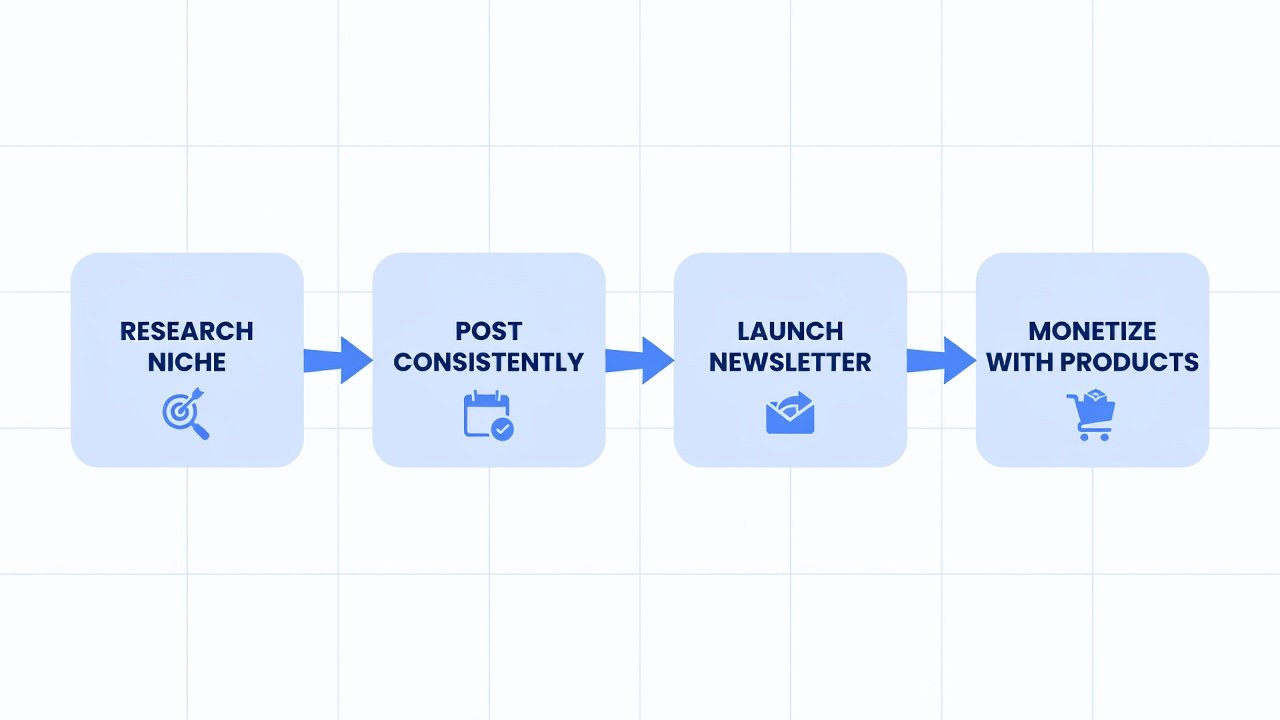
Audience development requires a phased approach starting with platform selection and content consistency. Begin by establishing a presence on one primary channel suited to the niche, such as newsletter-focused platforms, then expand to complementary spaces. Create a content calendar that balances educational posts with personal insights to foster connection. Engage actively with comments and collaborations to accelerate growth.
Transition early readers into email subscribers using opt-in incentives, then nurture the list with weekly value-packed updates. Test various formats like short-form videos or threaded posts to identify what drives the highest conversion. Monitor analytics to refine tactics, such as posting frequency or topic emphasis, ensuring steady progression toward monetization milestones.
Platform Comparisons for Maximum Reach
Choosing platforms impacts growth speed and monetization ease. Substack excels for direct newsletter monetization with built-in payment tools and discovery features. LinkedIn suits professional niches by enabling thought leadership posts that attract B2B affiliates. YouTube supports visual niches through short-form content that funnels viewers to longer resources or communities. Each platform requires tailored content adaptation, such as optimizing for search on video sites or networking on professional networks, to maximize visibility among remote workers.
Real-World Case Studies of Solo Freelancer Success
Consider the example of a former graphic designer who transitioned to a niche around freelance branding templates. By producing weekly micro-newsletters and affiliate links to design software, this individual diversified into a paid community and digital product sales within 18 months. Another case involves a content strategist focusing on ethical remote work practices, using Substack for audience growth and converting readers into product purchasers of customizable contracts and guides. These stories highlight the importance of starting small, iterating based on feedback, and maintaining focus on audience pain points.
Practical Checklists and Scaling Without Burnout
To support implementation, use these checklists: For launch, outline 10 content pieces, set up tracking for key metrics, and define initial monetization goals. For ongoing operations, schedule batch creation sessions, automate distribution where possible, and review financial streams quarterly. Scaling strategies include outsourcing routine tasks once revenue stabilizes and expanding into adjacent niches only after core offerings mature. Prioritize boundaries such as fixed work hours and content repurposing to prevent exhaustion while growing multiple streams.
FAQs on Scaling Without Burnout
How do I choose between multiple promising niches? Begin with audience testing through pilot content and select based on engagement data and personal interest sustainability. What steps reduce burnout risk during growth phases? Implement strict content calendars, delegate non-core activities, and maintain separate personal time blocks. How can I measure true resilience in income streams? Track diversification ratios across affiliates, products, and subscriptions over consistent periods. When should I consider platform expansion? Move to additional channels only after establishing reliable traction and systems on the primary one.
Conclusion
Remote freelancers gain meaningful economic resilience by strategically entering 2026 creator niches that support diversified revenue. Through deliberate niche selection, proven monetization approaches, systematic audience building, and attention to sustainability, individuals can create lasting value. Apply the detailed strategies, checklists, and examples provided to begin constructing a more stable professional future grounded in creator activities.

No comments yet. Be the first!