 Jobboy

Introduction to Creator Economy Niches in 2026
The creator economy continues to evolve rapidly, offering digital nomads and remote freelancers unique opportunities to build sustainable income streams while maintaining location independence. In 2026, niches that blend personal passion with practical value for remote workers are seeing strong search intent around niche selection and scalable monetization. This guide dives deep into high-potential areas tailored for nomads, covering everything from validation processes to platform comparisons. Digital nomads benefit from flexibility in time zones and low overhead, making niches like niche newsletters and short-form video particularly attractive due to their portability. As remote work becomes more mainstream, creators who focus on solving specific pain points for fellow freelancers can achieve steady growth without being tied to a single location. Understanding audience needs around low-competition opportunities in the gig economy allows nomads to leverage their lifestyle for authentic content that resonates globally.
Top 2026 Niches for Digital Nomads
Several niches stand out for their low-competition potential within the gig economy. These include affiliate marketing focused on remote tools, niche newsletters delivering curated remote work insights, short-form video showcasing nomadic lifestyles, and community management for online freelancer groups. Each niche aligns well with the nomadic lifestyle because they require minimal physical infrastructure and can be managed from a laptop anywhere with reliable internet.
Affiliate Marketing for Remote Tools
This niche involves promoting software and services used by freelancers. Nomads can review VPNs, productivity apps, and co-working platforms through honest comparisons. For example, creating comparison posts on tools like project management software helps build trust and generates commissions when readers sign up. Practical tip: Focus on tools that address time zone challenges, such as async communication apps.
Niche Newsletters
Building email lists around specific topics like sustainable travel or time-zone productivity allows for direct monetization via sponsorships. Start with weekly issues featuring curated links and personal insights from your travels to engage subscribers.
Short-Form Video Content
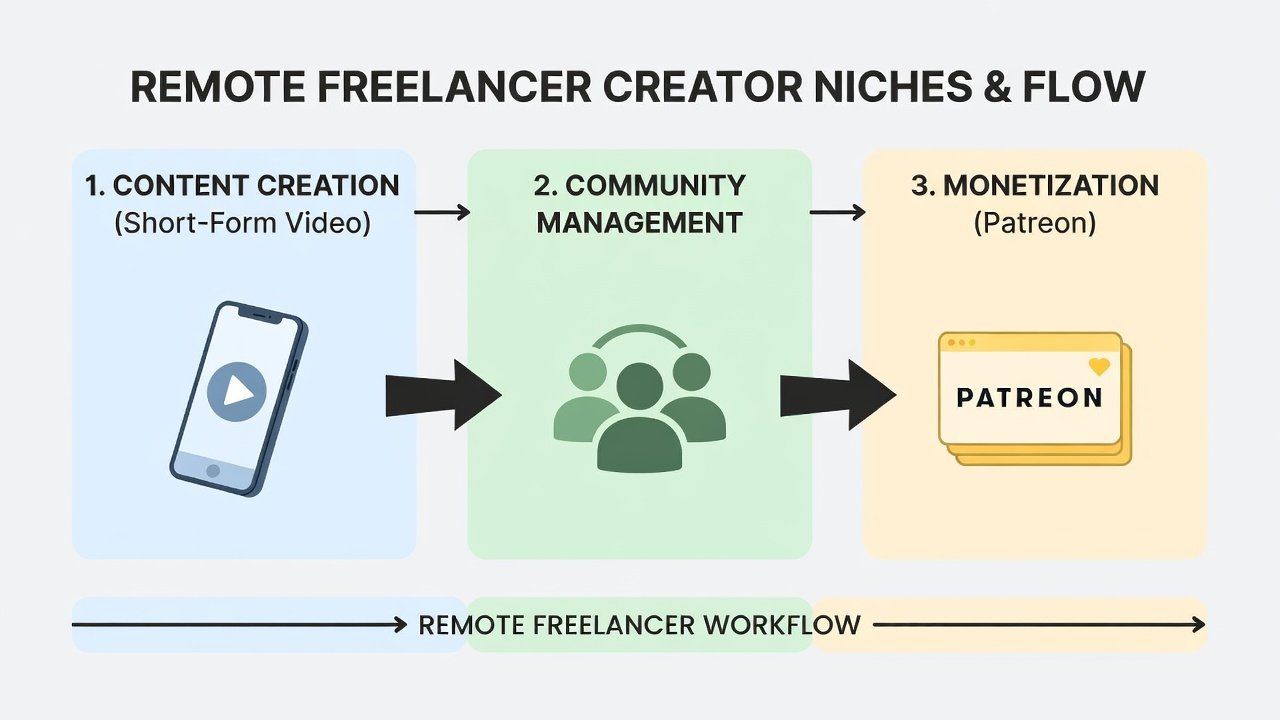
Platforms like TikTok and Instagram Reels enable quick creation of travel hacks or freelance tips, leveraging visual storytelling from anywhere. A nomad might film quick tutorials on setting up a mobile office in different countries.
Community Management
Running paid communities on Discord or Facebook Groups for fellow nomads provides recurring revenue through memberships. This involves moderating discussions, hosting virtual events, and fostering connections across time zones.
Step-by-Step Niche Validation Process
Validating a niche prevents wasted effort and ensures demand exists before investing time. Follow these expanded steps for thorough research: First, use keyword tools to gauge search volume for terms like "remote work tools 2026" or "digital nomad productivity tips." Second, study competitor content to spot gaps, such as missing coverage of emerging destinations. Third, launch a test newsletter or video series with 10-20 pieces to measure initial engagement. Fourth, conduct surveys via social media to confirm audience willingness to pay for premium content. Fifth, track early metrics like open rates or views before scaling. Sixth, refine based on feedback, such as adding more case studies if requested. This process helps identify truly low-competition angles in the gig economy.
Platform Comparisons for Content Distribution
Choosing the right platforms is crucial for reaching audiences effectively. Substack excels for newsletters with built-in monetization features and easy subscriber management, ideal for nomads who want simplicity. YouTube offers broader reach for short-form video but requires consistent uploading schedules that can be adapted to travel. Patreon supports direct fan funding across multiple formats and integrates well with other tools. Discord provides robust tools for community management, including voice channels for live sessions across time zones. Nomads should compare features like analytics, payment processing, and global accessibility to match their workflow. For instance, Instagram Reels pairs well with affiliate links for quick visual promotions, while email platforms reduce algorithm dependency.
Real-World Case Studies of Successful Nomads
One digital nomad built a six-figure income through a newsletter on remote productivity tools, starting with affiliate links and expanding to sponsorships from software companies. Another leveraged short-form video on nomadic budgeting to grow a Patreon community, achieving consistent monthly support from global followers by posting daily location-based tips. A third example involves a freelancer who scaled a Discord community for remote writers, using tiered memberships to offer personalized advice and generating revenue through sponsored events. These cases demonstrate how combining niches with flexible monetization leads to income growth regardless of location, often starting small and iterating based on audience response.
Monetization Tactics: Patreon, Sponsorships and Beyond
Practical monetization begins with value delivery. Use Patreon for tiered memberships offering exclusive content like behind-the-scenes nomadic journeys. Secure sponsorships by pitching brands aligned with remote lifestyles, starting with smaller deals and scaling up. Affiliate programs provide passive income once trust is established through honest reviews. Diversify with digital products like guides or courses to reduce reliance on any single stream. Additional tactics include sponsored newsletter issues or video integrations. Always disclose partnerships transparently to maintain credibility, following best practices from regulatory resources.
Addressing Low-Competition Opportunities in the Gig Economy
The gig economy favors specialized angles, such as content for nomads in emerging destinations or niche skills like async collaboration. Focus on underserved subtopics to minimize competition while maximizing remote work flexibility. Examples include creating content around visa hacks for specific regions or tools for managing international taxes. Avoid oversaturated areas like general travel vlogs by narrowing to professional applications for freelancers.
Common Mistakes to Avoid
Many new creators fail by not validating demand first or spreading efforts across too many platforms. Another pitfall is ignoring time zone differences when scheduling live events. Always prioritize audience feedback and consistent quality over rapid expansion.
Actionable FAQs on Scaling Across Time Zones
How do I maintain consistency when traveling?
Batch content creation during stable periods and use scheduling tools for distribution across platforms. Plan content calendars in advance to account for varying internet access.
What monetization works best for beginners?
Start with affiliate marketing before scaling to newsletters or communities, as it requires less upfront audience building.
Can these niches work across continents?
Yes, by focusing on evergreen topics and leveraging platforms with global audiences like Substack for easy worldwide access.
How to handle sponsorship disclosures?
Follow guidelines from FTC resources to maintain transparency and trust with your audience.
What growth metrics should I track?
Monitor engagement rates, subscriber growth, and conversion from free to paid offerings on a monthly basis.
How to adapt content for different time zones?
Use tools to schedule posts and host asynchronous community events that members can access anytime.
Is community management scalable for solo nomads?
Yes, by starting small and outsourcing moderation as the group grows, while keeping core interactions personal.

No comments yet. Be the first!