 Jobboy
Introduction to the 2026 Creator Economy
The creator economy continues to expand rapidly, offering remote freelancers and digital nomads unprecedented opportunities for scalable income. In 2026, niches that blend personal expertise with emerging technologies and audience needs stand out as particularly promising. This article explores fresh niches, selection criteria, and practical monetization paths through newsletters, short-form video, and memberships. Remote workers benefit from location-independent models that leverage digital platforms. Whether transitioning from traditional gigs or building a new brand, understanding these trends helps avoid common pitfalls while maximizing growth potential. The landscape favors those who combine authenticity with strategic tool use to reach engaged audiences worldwide.
Key Criteria for Selecting a 2026 Creator Niche
Choosing the right niche requires evaluating several factors in depth. First, assess market demand by researching trending topics on platforms like YouTube and Substack, paying attention to search volume and engagement rates. Second, consider your existing skills and passion to ensure long-term sustainability, as burnout often stems from mismatched topics. Third, analyze entry barriers such as required tools or audience competition levels, which can vary widely between emerging and saturated areas. Additional criteria include monetization flexibility and alignment with remote lifestyles. Niches involving AI, sustainability, or personal finance often allow for high engagement without physical presence. For example, a freelancer with a background in tech might prioritize AI tools over wellness if their expertise aligns better. Test small content pieces early to validate interest before full commitment.
Promising 2026 Creator Economy Niches
Several niches are poised for growth in 2026. These include AI-assisted content creation, sustainable living for nomads, mental health for freelancers, and niche skill tutorials like no-code development. AI Prompt Engineering for Creators focuses on teaching effective AI usage for content workflows, helping audiences save time on repetitive tasks. Digital Nomad Finance and Taxes offers practical advice on managing income across borders, including currency fluctuations and compliance basics. Short-Form Video Storytelling provides specialized techniques for platforms emphasizing quick, authentic videos that drive virality. Wellness Routines for Remote Workers integrates fitness and mindfulness into flexible schedules, appealing to those juggling irregular hours. Emerging options also cover eco-friendly travel gear reviews and personalized learning paths using digital tools. Each niche supports diversification through multiple income streams and appeals to global remote audiences seeking practical, actionable insights.
Entry Barriers and How to Overcome Them
Many niches have low financial barriers but require consistent effort and strategic planning. For AI-related topics, beginners can start with free resources before investing in advanced tools, gradually building expertise through online tutorials and experimentation. Competition in popular areas like finance demands unique angles, such as region-specific strategies for nomads from Southeast Asia or Latin America. Overcoming barriers involves starting small with consistent posting schedules and leveraging communities for feedback. Real-world examples show freelancers succeeding by documenting their own learning journeys, which builds credibility fast. Time management is another hurdle for remote workers; setting dedicated creation blocks helps maintain momentum without overwhelming daily client work.
Monetization Strategies: Newsletters, Short-Form Video, and Memberships
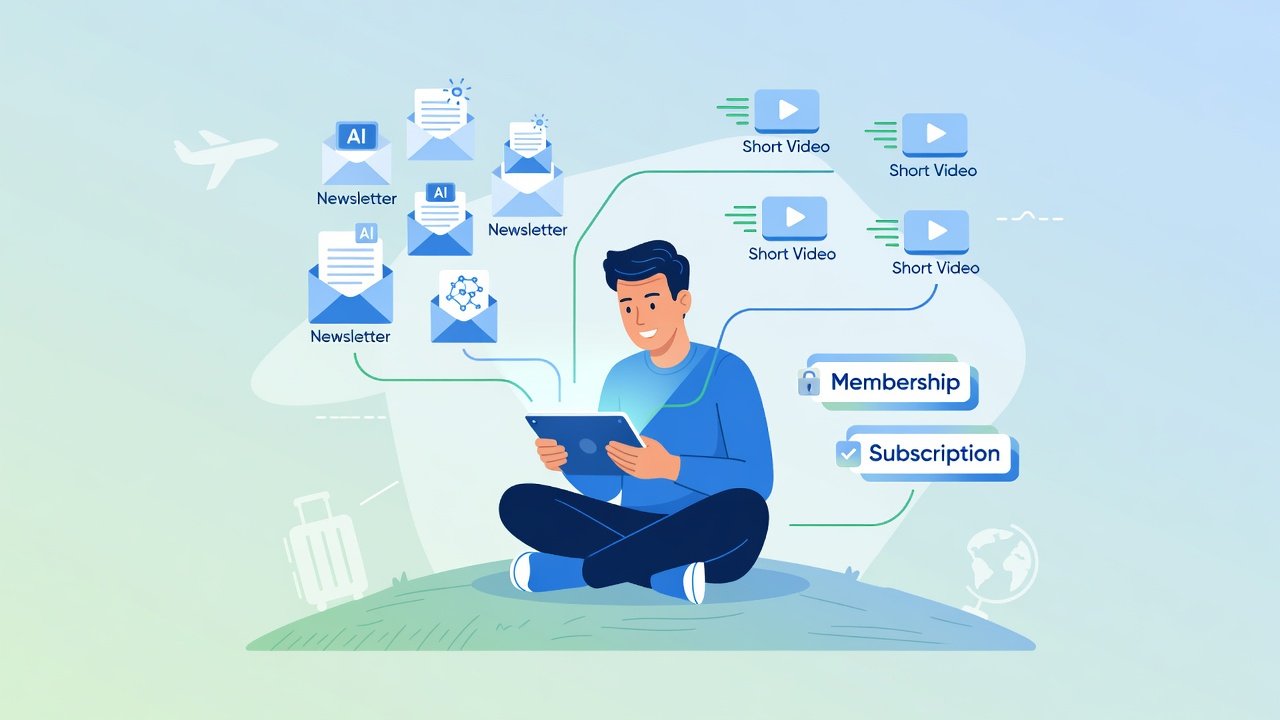
Newsletters remain a powerful direct channel for building loyal subscribers who value in-depth analysis. Platforms allow paid subscriptions once audience trust builds through consistent value delivery. Short-form video drives discovery and funnels viewers to deeper content, with hooks that lead to full posts or offers. Membership models on dedicated sites provide recurring revenue through exclusive resources like templates, live sessions, or private communities. Combining these creates resilience against algorithm changes. For example, use video to attract new viewers, newsletters to nurture relationships, and memberships to monetize loyal fans with premium tiers. Detailed execution includes optimizing email subject lines for open rates and analyzing video retention metrics to refine future content.
Recommended AI Tools for Efficiency
AI tools streamline content production and allow freelancers to scale without proportional time increases. Options include writing assistants for drafting posts and outlines, video editors for quick cuts and captions, analytics platforms for performance insights, and image generators for custom visuals. These reduce time spent on repetitive tasks, allowing focus on strategy and audience interaction. Specific recommendations involve tools that integrate across platforms for seamless workflows, such as those handling transcription or SEO optimization automatically. Experimentation helps identify the best fit for individual styles.
Real Case Studies from Successful Remote Freelancers
One freelancer built a following in digital nomad finance by sharing weekly updates on budgeting for variable income, reaching thousands of subscribers within a year and diversifying into paid consultations. Another used short-form videos on wellness routines to launch a membership community focused on mental health tips, growing steadily through authentic storytelling. A third example involves a no-code expert who transitioned from gig work to creating tutorial series, using AI for content repurposing across formats. These examples highlight the value of authenticity, niche focus, and iterative testing based on audience responses.
Platform Comparisons for Distribution
Compare options like YouTube for video reach and long-form potential versus Substack for newsletter depth and direct monetization. Instagram and TikTok excel in short-form discovery and visual engagement, while Patreon supports memberships with tiered benefits. Evaluate based on audience demographics, monetization features, and ease of cross-promotion. Some platforms favor algorithmic discovery while others reward consistent community building. Testing content on two primary channels initially helps determine the best fit without spreading efforts too thin.
Forbes provides ongoing insights into creator trends and economic shifts. Similarly, McKinsey offers data-driven reports on digital economies and remote work patterns. Additional context comes from industry analyses available at Entrepreneur.Actionable Steps for Audience Building and Diversification
- Define your niche and create an initial content calendar spanning at least three months with varied formats.
- Post consistently across 2-3 platforms while tracking initial engagement metrics.
- Engage with comments to foster community and gather ideas for future topics.
- Experiment with collaborations for cross-promotion and exposure to new audiences.
- Track metrics like open rates and watch time, then adjust based on performance data.
- Introduce one new monetization method every quarter to test viability.
- Repurpose top-performing content into multiple formats for broader reach.
Diversify by testing new formats quarterly and maintaining an email list as a owned asset independent of any single platform.
Common Pitfalls to Avoid
Avoid over-relying on one platform or neglecting audience feedback, which can lead to sudden drops in visibility. Burnout from inconsistent scheduling can derail progress, so establish routines early. Always prioritize value over sales pitches to maintain trust and encourage organic sharing. Other pitfalls include ignoring legal aspects like disclosures for sponsored content and failing to back up audience data. Learning from these through regular self-audits keeps growth on track.
FAQs on Transitioning from Traditional Gigs
How long does it take to see income? Many see initial results within 3-6 months with consistent effort and quality content, though timelines vary by niche and promotion strategy.
Do I need a large following? No, targeted niches allow monetization at smaller scales through memberships and direct offers once trust is established.
What if my niche doesn't take off? Pivot based on early analytics while retaining core skills, often by narrowing or broadening the focus slightly.
How do I handle taxes as a remote creator? Consult basic guidelines for digital income and track expenses meticulously from day one.
Can I combine this with existing freelance work? Yes, start part-time and scale as creator revenue grows to replace or supplement gigs.
Conclusion
The 2026 creator economy offers remote freelancers viable paths to growth through targeted niches and strategic monetization. By applying the criteria, tools, and steps outlined, individuals can build sustainable income streams while enjoying location freedom. Continuous learning and adaptation remain essential in this evolving space.

No comments yet. Be the first!