 Jobboy

Smart Follow-Ups: Ace Job Apps in 2026
In the competitive job market of 2026, where artificial intelligence is reshaping how resumes are screened and interviews are scheduled, mastering the art of the follow-up has never been more essential. Job seekers who strategically reach out after submitting an application demonstrate persistence, professionalism, and genuine interest. This comprehensive guide delves into proven follow-up strategies, optimal timing windows, customizable email templates, LinkedIn message examples, emerging trends like AI-driven hiring speeds, and ATS integration for reminders. Whether you are a recent graduate or a seasoned professional, these insights will help you increase response rates while maintaining a polished image.
Why Follow-Ups Matter More Than Ever in 2026
Recruiters and hiring managers are inundated with applications, often reviewing dozens or hundreds for a single role. A thoughtful follow-up cuts through the noise and keeps your candidacy fresh in their minds. In 2026, with AI tools accelerating initial screening processes, human decision-makers have less time for manual reviews. Following up politely signals that you are proactive and committed. Studies from career platforms indicate that candidates who follow up see significantly higher engagement compared to those who remain silent after applying. Beyond simply reminding the employer of your existence, a well-crafted message allows you to reiterate key qualifications that align with the job description, address any potential concerns, and build a personal connection that algorithms cannot replicate.
Optimal Timing for Follow-Ups
Timing can make or break your follow-up efforts. The general rule is to wait seven to ten business days after submission for your first follow-up. This window gives recruiters sufficient time to process applications through ATS filters without appearing impatient. If you have not received a response within two weeks of the initial follow-up, a second, shorter message is appropriate. For roles with urgent deadlines or those posted on high-traffic boards, consider shortening the initial wait to five business days. Always factor in industry norms: tech companies may move faster due to AI-assisted hiring, while traditional sectors like government or education often require more patience. Tracking your applications in a simple spreadsheet helps maintain consistency and prevents accidental duplicate messages.
Adjusting for Different Application Channels
When applying directly through a company website, the timeline may differ from submissions via job boards. Direct applications sometimes receive quicker internal routing, so monitor for any automated acknowledgments that provide clues about processing speed. LinkedIn Easy Apply often leads to faster recruiter outreach, meaning your follow-up could be sent sooner if no connection request has been accepted.
Personalized Email Templates That Get Responses
Personalization remains the cornerstone of effective follow-ups. Generic templates rarely stand out. Begin by addressing the recipient by name whenever possible, referencing the exact job title, and mentioning a specific detail about the company or role. Here is an expanded template for a first follow-up:
Subject: Following Up on My Application for Senior Marketing Strategist at Acme Innovations
Dear Ms. Patel,
I hope you are having a productive week. I submitted my application for the Senior Marketing Strategist position on March 15 and wanted to express my continued enthusiasm for the opportunity to join Acme Innovations. With over seven years leading data-driven campaigns that increased client engagement by 45 percent, I am confident my skills would contribute meaningfully to your upcoming product launch initiatives. I would greatly appreciate any update on the status of my application and remain available for a conversation at your earliest convenience.
Thank you for your time and consideration.
Best regards,
Jordan Lee
For a second follow-up, keep it even briefer while reinforcing value: restate one achievement and politely request next steps without pressure.
LinkedIn Message Examples for Professional Networking
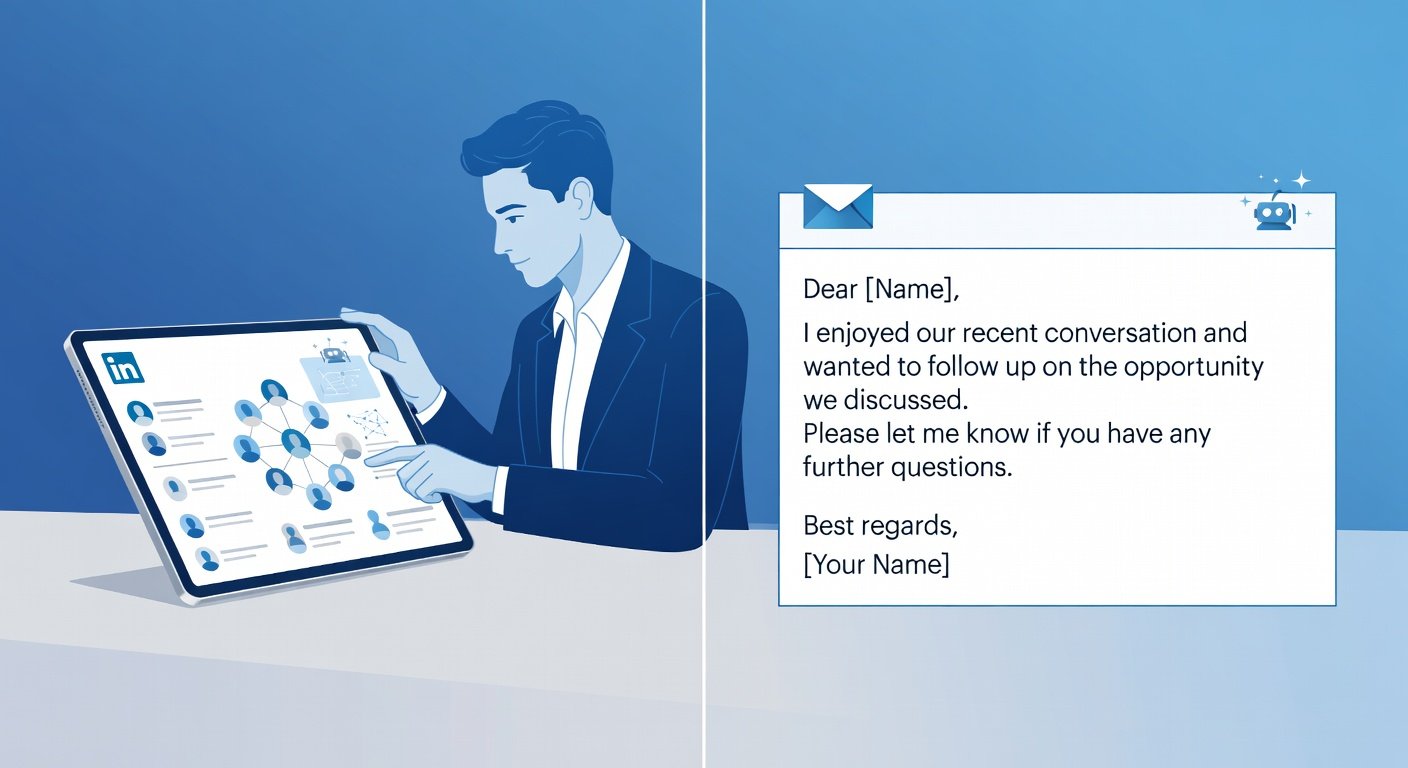
LinkedIn provides an excellent channel for follow-ups, especially when you can reference mutual connections or recent company updates. Keep messages concise, under 100 words, and end with a clear but non-demanding call to action. Example one for initial outreach: "Hi [Recruiter Name], I recently applied for the Senior Marketing Strategist role at Acme Innovations and noticed your post about the company’s expansion into new markets. My background in growth marketing aligns closely with those goals. Would you be open to connecting?" Example two after a week of silence: "Hello again, I wanted to follow up on my application submitted last week. I remain very interested and would welcome the chance to discuss how my experience could support your team’s objectives." These examples balance professionalism with approachability. Always customize based on the recipient’s profile activity.
2026 Trends: AI-Driven Hiring Speeds and ATS Integration
The hiring landscape in 2026 is defined by rapid AI integration. Many organizations now use advanced applicant tracking systems that automatically rank candidates and even schedule preliminary interviews. Some platforms allow job seekers to opt into reminder notifications that surface their profiles at strategic intervals. While these tools speed up processes, they also mean human recruiters have shorter attention spans for each application. To leverage this trend, incorporate keywords from the job posting naturally in follow-ups and consider using calendar tools to time your messages during business hours when AI dashboards are most actively reviewed. For authoritative guidance on modern recruiting practices, consult resources from LinkedIn and Indeed.
Step-by-Step Guide to Stand Out Without Seeming Pushy
- Research the hiring team thoroughly using LinkedIn and company news before crafting any message.
- Select the appropriate channel: email for formal applications, LinkedIn for networking-heavy roles.
- Personalize content with at least two specific references to the company or role.
- Keep the tone positive, concise, and focused on mutual benefit rather than your own needs.
- Include a soft call to action such as offering availability rather than demanding a response.
- Log every interaction and set calendar reminders for future follow-ups.
- After two follow-ups, shift focus to other opportunities unless the employer re-engages.
Dos and Don’ts for Professional Follow-Ups
- Do maintain a consistent, friendly tone across all communications.
- Do proofread every message for grammar and spelling.
- Do reference recent company achievements to show research.
- Don’t send follow-ups outside typical business hours or on weekends.
- Don’t use aggressive language or multiple exclamation points.
- Don’t mention compensation or benefits in early follow-ups.
- Don’t copy and paste the same message to multiple contacts at the same company.
Common Mistakes to Avoid and How to Recover
One frequent error is following up too aggressively, which can create a negative impression. If you realize you have sent too many messages, pause for at least three weeks before any further contact. Another mistake is failing to customize, leading recruiters to dismiss the message as spam. Recovery involves acknowledging the oversight indirectly by providing fresh, relevant information in your next communication. Finally, neglecting mobile optimization can hurt if recruiters read on phones; always format messages for easy reading on small screens.
Conclusion
Smart follow-ups in 2026 combine strategic timing, genuine personalization, and awareness of AI and ATS dynamics. By implementing the templates, examples, and step-by-step advice outlined above, you can increase your visibility and response rates while preserving professionalism. Remember that persistence paired with respect always outperforms silence. Begin applying these techniques to your current applications and refine them based on the results you achieve.


No comments yet. Be the first!