 Jobboy

Introduction
In a competitive 2026 job market, volunteer experience can differentiate your application when presented with measurable achievements. Job seekers who strategically choose roles aligned with career goals and track specific metrics like hours served, outcomes delivered, and skills developed often see stronger responses from recruiters. This guide explores practical methods to turn volunteer work into compelling evidence of your capabilities.
Employers increasingly value demonstrated impact over vague statements. By focusing on high-impact opportunities and documenting results, you can build a portfolio of achievements that supports career transitions or advancement. Volunteer roles also provide opportunities to develop leadership, problem-solving, and technical skills that paid positions may not offer early in a career. Understanding how to quantify these contributions ensures they translate effectively across resumes, cover letters, and professional profiles.
Identifying High-Impact Volunteer Opportunities
Start by mapping volunteer roles to your target industry. For example, aspiring marketing professionals might seek positions organizing community campaigns, while those targeting project management could volunteer with event coordination nonprofits. Use platforms like LinkedIn to research organizations and connect with current volunteers. Aligning efforts with skills such as data analysis or team leadership maximizes relevance for future applications.
Consider factors like time commitment, leadership potential, and measurable deliverables when evaluating options. Roles offering autonomy in tracking progress provide the best foundation for quantifiable results. Research local nonprofits through community boards or career centers to find openings that match your expertise. Prioritize organizations with structured programs that allow volunteers to lead initiatives or collect performance data. This approach ensures your time investment yields tangible examples of impact rather than routine tasks.
Tracking Metrics Like Hours, Outcomes, and Skills Gained
Effective documentation begins with consistent logging. Record weekly hours, specific tasks completed, and tangible outcomes such as funds raised or participants served. Tools like spreadsheets or dedicated apps help maintain accuracy. Note skills practiced, including communication or software proficiency, and link them to business outcomes. Set up a simple system at the start of each role, including categories for hours, key performance indicators, and reflections on challenges overcome.
Regular reviews allow you to identify trends, such as improved efficiency over time. This data becomes essential when converting experiences into resume bullet points. For instance, track not only total hours but also peak activity periods and any innovations you introduced. Share progress updates with supervisors to gain additional context or testimonials that strengthen your records.
Step-by-Step Examples: Turning Vague Duties Into Results-Driven Bullet Points
Transform generic descriptions into achievement-focused statements. Start with a duty like "helped at food bank." Add metrics: "Coordinated distribution for 150 families weekly, increasing efficiency by 25% through process improvements." Break the process into steps: list the original duty, identify quantifiable elements such as numbers served or time saved, incorporate action verbs, and verify accuracy with your logs.
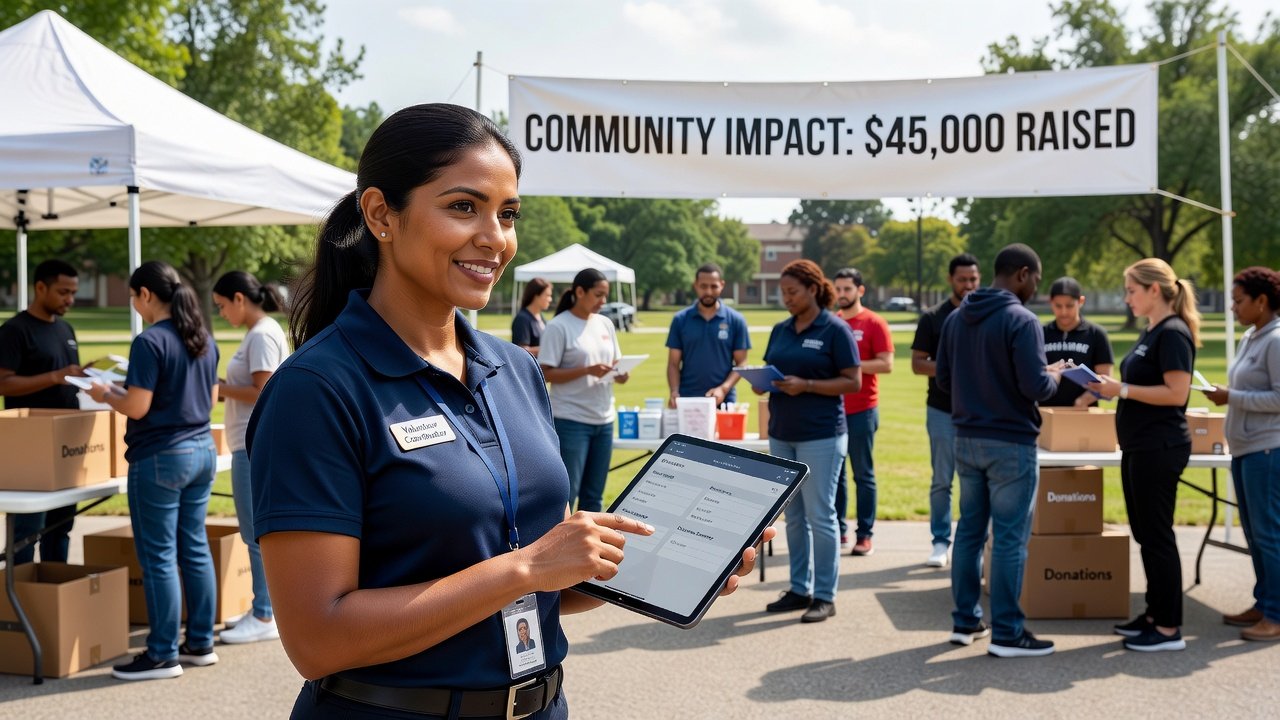
Another example: Vague duty "mentored students" becomes "Mentored 12 high school students in STEM skills, resulting in 8 advancing to regional competitions." A third case for event planning might shift from "organized charity events" to "Planned three fundraising galas that raised $45,000 and engaged 200 attendees, exceeding prior year totals by 30%." Practice this conversion by listing duties, then attaching numbers, percentages, or scales where possible. Review past roles quarterly to refine entries and ensure consistency across all applications.
Volunteer vs Paid Experience: Industry Comparisons
In nonprofit and education sectors, volunteer work often carries equal or greater weight than entry-level paid roles due to demonstrated passion. In tech or finance, recruiters may prioritize paid experience but value volunteer leadership as proof of initiative when metrics are strong. Healthcare fields appreciate volunteer clinical hours for empathy signals, while marketing roles highlight campaign results regardless of compensation. Always contextualize volunteer contributions alongside paid work to show well-rounded development.
Within creative industries such as graphic design, volunteer portfolio projects can demonstrate client management skills that paid internships sometimes lack. In sales or business development, volunteer outreach roles provide measurable lead generation examples that mirror corporate targets. Compare your volunteer metrics directly to job descriptions in each field to highlight transferable value without overstating experience levels.
Integrating Volunteer Achievements Into Cover Letters and LinkedIn
In cover letters, dedicate a paragraph to one standout volunteer project, tying metrics directly to the job description. On LinkedIn, add volunteer positions under the Experience section with detailed accomplishment bullets and attach supporting documents where available. Update your profile headline to include relevant keywords from volunteer leadership. Expand the About section with a narrative that connects volunteer outcomes to your professional goals.
Consistency across documents reinforces your narrative. Use action verbs and specific results to maintain professional tone. Customize each integration based on the target role, emphasizing the most relevant metrics. Test different versions by seeking feedback from mentors or career advisors before submitting applications.
Networking Through Volunteer Roles
Volunteer settings offer natural networking opportunities. Engage with supervisors and peers by sharing project updates and seeking feedback. Follow up with connections via LinkedIn to explore informational interviews. These relationships frequently lead to referrals or recommendations that strengthen applications. Attend organization events or webinars to expand your circle beyond immediate team members.
Document contacts and discussions in a simple CRM system for long-term relationship management. Offer value in return, such as sharing resources or assisting with future projects, to build reciprocal connections that extend past the volunteer period.
Common Pitfalls to Avoid
- Overgeneralizing contributions without numbers or timelines, which weakens credibility
- Selecting unrelated roles that dilute focus and confuse recruiters
- Failing to update records promptly, leading to forgotten details during application deadlines
- Neglecting to link volunteer skills to job requirements, missing opportunities to show direct relevance
- Exaggerating involvement without supporting evidence, which can surface during reference checks
Address these by creating a dedicated volunteer log and reviewing entries monthly. Seek supervisor sign-off on key metrics to ensure accuracy and build additional references.
Templates and Checklists for Documentation
Use this simple template: Role title | Organization | Dates | Hours per week | Key outcomes (list 3-5) | Skills demonstrated | Metrics (e.g., people impacted, funds raised) | Challenges addressed | Supervisor contact.
Checklist: Define goals before starting; Log weekly with specific numbers; Quantify every major task; Align with career targets; Review before applications; Obtain written confirmations; Update digital profiles immediately after milestones. Maintain both digital and printed versions of your records for easy access during interviews or networking events.
FAQs
When should I start volunteering during an active job hunt?
Begin with 4-6 hours weekly to avoid burnout while building recent examples. Short-term projects can yield quick wins for applications without overwhelming your schedule. Focus on roles that offer flexible timing around interviews.
How do career changers best leverage volunteer work?
Focus on transferable skills and results that bridge industries, such as using volunteer budgeting experience to demonstrate financial acumen in a new field. Highlight how volunteer leadership mirrors responsibilities in your target role.
Can short-term volunteer projects still provide strong metrics?
Yes, concentrated efforts like one-day events can generate impressive numbers when tracked carefully, such as participants engaged or funds collected in a single weekend.
Should I include volunteer work if I have extensive paid experience?
Include it selectively when it adds unique value, such as leadership in a different sector or recent skill development that paid roles do not cover.
Conclusion
Quantifying volunteer work transforms it from an extracurricular activity into a strategic asset for 2026 job applications. By selecting aligned roles, tracking precise metrics, and integrating results thoughtfully, candidates create stronger narratives that resonate with employers. Consistent documentation and networking amplify these benefits over time, turning service into a powerful differentiator throughout the job search process.

No comments yet. Be the first!