 Jobboy

Introduction: Why Micro-Newsletters Are a Game-Changer for Job Seekers in 2026
In today's competitive job market, traditional applications through job boards often get lost in the shuffle. Micro-newsletters offer a powerful way to demonstrate expertise directly to hiring managers and recruiters. These short, focused emails—typically 200-400 words—position you as a thought leader in your niche while incorporating keywords like job hunting and job boards to boost discoverability. Unlike lengthy blog posts or generic social media updates, micro-newsletters deliver bite-sized value that busy professionals can consume quickly, making them ideal for busy recruiters who scan dozens of profiles daily.
This approach bypasses gatekeepers by building an audience of decision-makers who see your consistent value over time. Readers have reported landing interviews within weeks of starting, as newsletters create personal connections that resumes alone cannot. In 2026, with AI tools screening many applications, standing out through direct, value-driven communication has become essential for proactive job seekers.
Choosing a Niche Aligned with Target Roles
Start by aligning your newsletter with roles you want. For example, if targeting marketing positions, focus on emerging trends in digital campaigns or content strategy. Research job descriptions on major platforms to identify pain points like "effective job hunting strategies" or "navigating job boards." Narrow to one sub-topic per issue to keep content actionable and engaging for subscribers who are often recruiters scanning for talent. Consider your background: a software developer might choose AI ethics or cloud migration, while a project manager could focus on agile methodologies in remote teams. Test your niche by creating three sample issues and sharing them informally with peers for feedback before committing.
Content Ideas That Incorporate Job Search Keywords
Blend educational value with subtle job search elements. Sample topics include weekly breakdowns of job hunting trends and how they impact specific industries, case studies on optimizing profiles for job boards, quick tips for standing out in applicant tracking systems, and comparisons of different job search platforms. Always end with a call-to-action inviting replies about open roles. This turns passive readers into active connections. For instance, an issue titled "3 Job Hunting Mistakes That Cost Candidates Interviews in 2026" can naturally weave in keywords while providing genuine advice that recruiters appreciate and share.
Step-by-Step Setup Using Free Tools
Launch quickly with zero cost. First, sign up for a free email platform like Mailchimp or Substack to handle distribution and basic analytics. Create a simple landing page on Carrd or Google Sites to collect subscribers, including a compelling headline like "Weekly insights for ambitious job seekers." Use Canva for branded headers in under 10 minutes per issue, ensuring a professional yet approachable design. Schedule posts via LinkedIn to drive initial traffic by posting teaser snippets. Begin with a welcome email outlining your expertise and commitment to weekly insights, and set up automated welcome sequences to nurture new subscribers immediately.
Growth Tactics via LinkedIn and Email Lists
Promote on LinkedIn by sharing newsletter excerpts in posts tagged with relevant hashtags such as #JobSearch or #CareerAdvice. Cross-promote in niche communities and collaborate with other creators for shoutouts, which can expose your newsletter to hundreds of new readers. Build your email list by offering a free resource like a job hunting checklist in exchange for sign-ups, and embed signup forms in your LinkedIn profile and other professional bios. Aim for consistent posting to grow to 500+ engaged subscribers within 3-6 months. Track referral sources to double down on what works, such as specific LinkedIn groups or industry forums.
Real Case Studies of Readers Landing Interviews
One software engineer in fintech started a micro-newsletter on AI ethics. Within four weeks, three recruiters from top firms reached out after seeing issues shared on LinkedIn, leading to interviews at two companies. Another marketing professional used keyword-rich content about job boards to attract HR leaders, securing two offers after subscribers forwarded her newsletter to hiring teams. A third example involves a recent graduate in data analytics who focused on entry-level job hunting tips; her newsletter gained traction through Mailchimp integrations, resulting in direct messages from recruiters at mid-sized firms within a month.
Metrics to Track Engagement
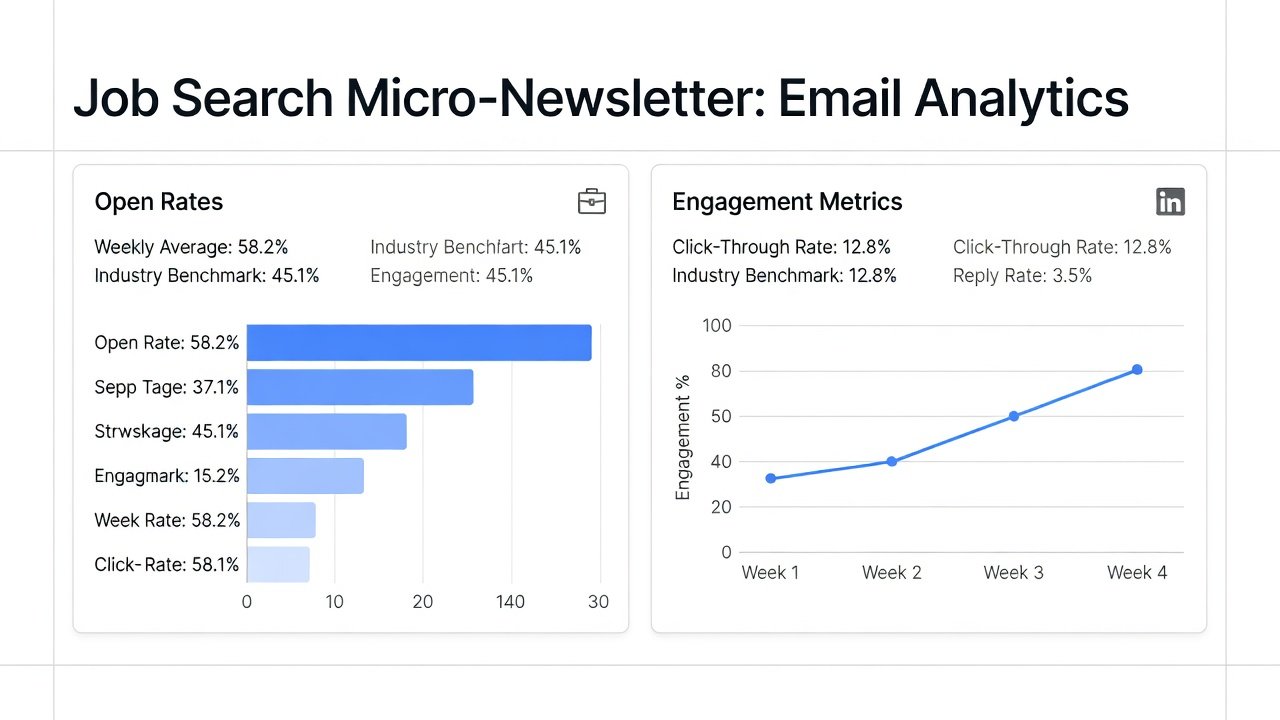
Monitor open rates (target above 40%), click-throughs on links, and reply volume using built-in analytics from your email tool. High engagement signals to subscribers that your insights are valuable, increasing the likelihood of direct job offers. Additional metrics include unsubscribe rates (keep below 1%) and forward rates, which indicate shareability. Review these weekly and adjust content based on what performs best, such as more listicles or deeper dives into job board strategies.
Advanced Optimization Tips for Maximum Visibility
Segment your list by industry for personalized sends, allowing targeted content that resonates more deeply with specific recruiter audiences. A/B test subject lines incorporating phrases like "job hunting tips" to improve opens. Repurpose top issues into LinkedIn carousels or short video summaries for broader reach. Track which content drives the most recruiter replies and double down on similar themes, while experimenting with send times based on your audience's timezone data.
Common Mistakes to Avoid
Many beginners overcomplicate their first issues with too much content, leading to low engagement. Stick to one focused idea per newsletter. Another pitfall is neglecting promotion; without consistent LinkedIn sharing, growth stalls. Avoid generic topics that fail to incorporate job search keywords naturally, as this reduces SEO benefits for discoverability.
FAQs on Converting Subscribers into Job Offers
How long until I see results? Most see initial recruiter interest within 2-4 weeks of consistent publishing, though some report faster traction with strong LinkedIn promotion.
Should I charge for the newsletter? Keep it free initially to maximize reach and build authority before considering paid tiers.
What if engagement is low? Refine your niche based on subscriber feedback and promote more aggressively on LinkedIn or through Indeed community features.
Can I include job applications in my newsletter? Subtly reference your own job hunting journey in a value-first way, but prioritize helping readers to foster goodwill.
Conclusion
Micro-newsletters empower job seekers to take control of their 2026 job search. By focusing on niche expertise, strategic keywords, and platform growth, you can attract recruiters directly and accelerate your path to interviews and offers. Start small, iterate based on metrics, and treat each issue as an opportunity to build lasting professional relationships that extend far beyond a single application.

No comments yet. Be the first!