 Jobboy
Introduction
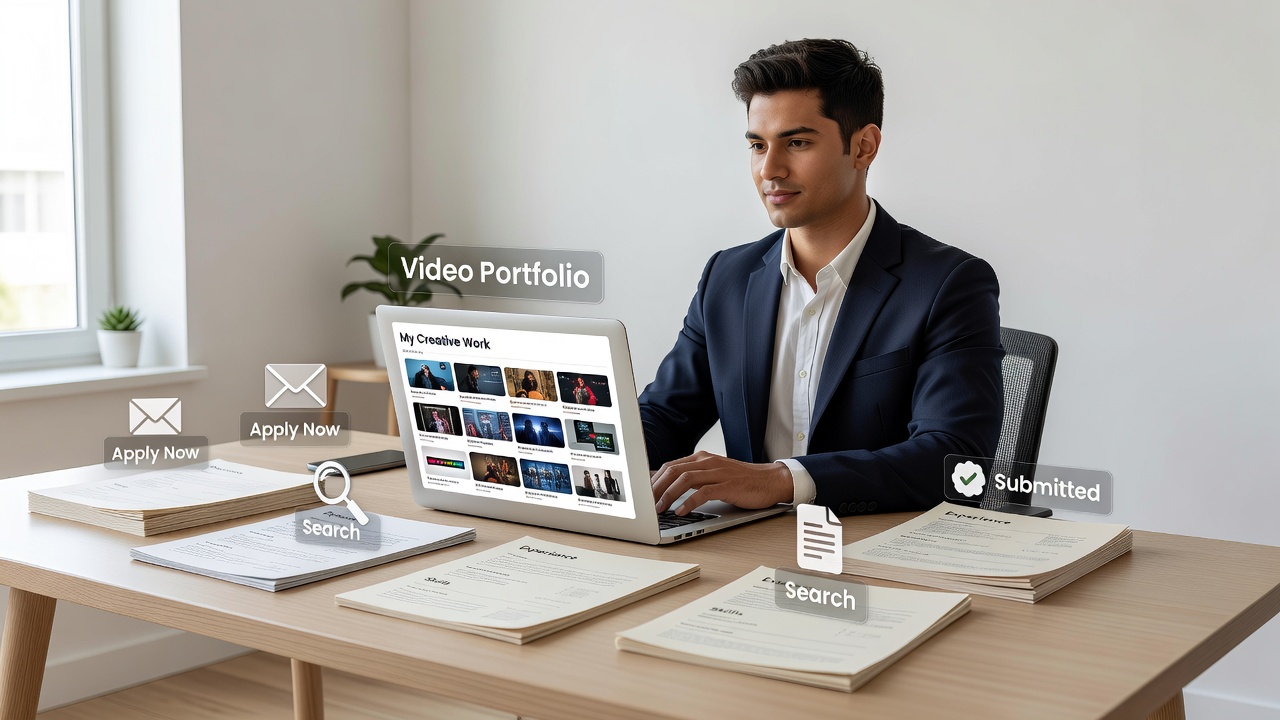
In today's competitive job market, standing out requires more than a traditional resume. Video portfolios have emerged as a powerful tool that allows candidates to showcase their skills dynamically and personally. This comprehensive guide explains how video content enhances job applications and searches, offering actionable steps for beginners who want to modernize their approach to job hunting. Whether you are a recent graduate or a seasoned professional pivoting careers, incorporating video can transform how recruiters perceive your candidacy.
Job seekers today face an overwhelming volume of competition on major job boards. Video portfolios provide a unique opportunity to demonstrate personality, communication abilities, and real-world expertise in ways that text alone cannot achieve. By the end of this article, you will have a clear roadmap for creating, optimizing, and deploying your own video portfolio effectively.
Why Video Portfolios Help You Stand Out
Job boards and applicant tracking systems receive thousands of applications daily. A video portfolio adds a personal touch that static documents cannot match. Recruiters can quickly assess communication skills, creativity, and professionalism through visual storytelling rather than relying solely on bullet points. This medium allows you to convey enthusiasm and cultural fit, two elements that are often difficult to express in written form.
Current trends in recruitment show that hiring managers increasingly value multimedia submissions because they reveal soft skills and problem-solving approaches in real time. Video also improves accessibility for roles that require public speaking or client interaction. When used strategically, these portfolios can increase the likelihood of your application being reviewed beyond the initial screening stage.
Selecting Projects to Showcase
Choose 3 to 5 of your strongest projects that align with the target role. Focus on those demonstrating problem-solving, technical abilities, and measurable results. For example, a graphic designer might highlight a rebranding campaign with before-and-after visuals and client feedback. A software engineer could showcase an app they built, including user metrics and code architecture decisions.
- Prioritize recent work completed within the last two years to keep your portfolio relevant.
- Include a mix of individual and collaborative projects to show both independence and teamwork capabilities.
- Ensure each project has a clear narrative: the challenge you faced, the solution you implemented, and the quantifiable outcome achieved.
- Tailor selections based on the job description by matching keywords and required competencies.
Avoid overloading the video with too many examples. Quality and relevance always outweigh quantity when presenting your work to busy recruiters.
Planning and Recording Your Video
Start with a script outline that lasts 2 to 4 minutes. Introduce yourself, explain your background, then walk through each project using simple language. Use natural lighting and a clean background for professional results. Position your camera at eye level and test audio levels before beginning the full recording.
Record in short segments to make editing easier later. Speak clearly, vary your tone to maintain engagement, and maintain eye contact with the camera as if speaking directly to the viewer. Many successful applicants rehearse several times before the final take, timing themselves to stay within the ideal length. Consider preparing a short list of talking points rather than reading from a script to keep delivery natural and conversational.
Editing Tips for Maximum Impact
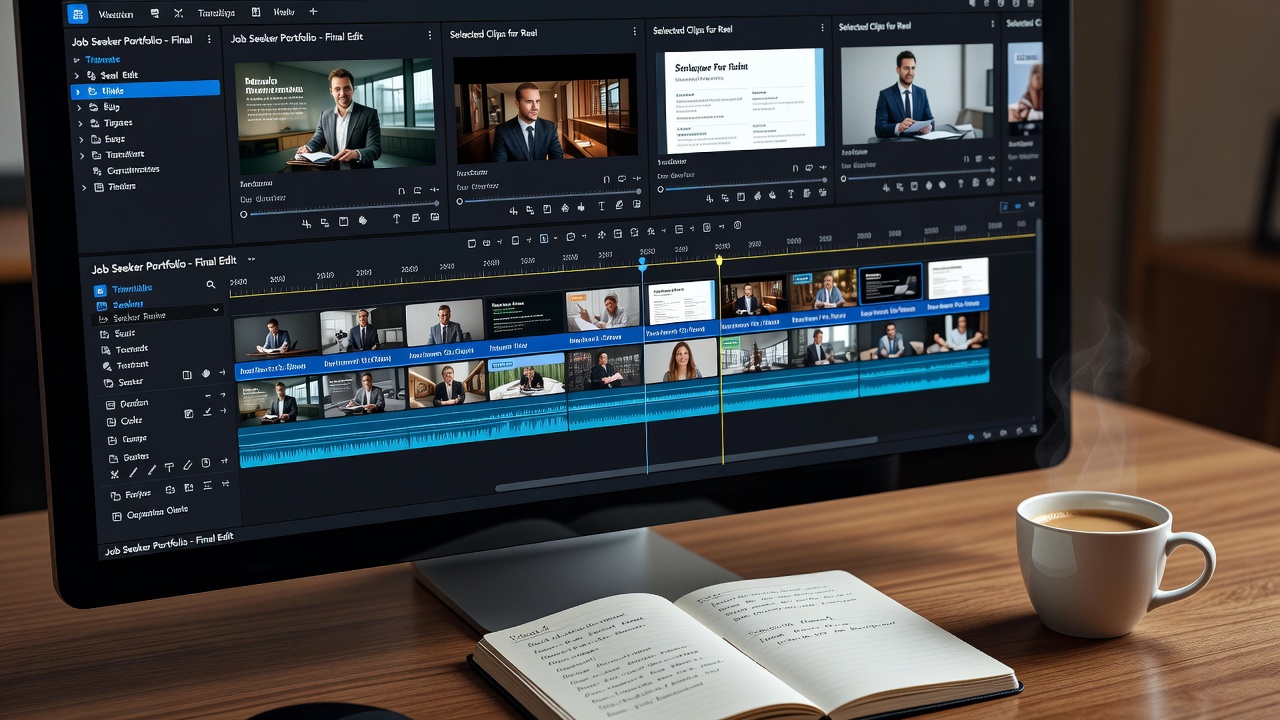
Keep the pacing engaging by cutting unnecessary pauses and filler words. Add subtle text overlays for project titles, key metrics, and your contact information. Use free or affordable tools like CapCut, DaVinci Resolve, or even smartphone built-in editors for high-quality results without advanced skills. Focus first on audio clarity because poor sound quality can undermine even the strongest visuals.
Export your final video in 1080p resolution for broad compatibility across devices and platforms. Include a brief call-to-action at the end inviting viewers to connect with you on professional networks. Review the edited version multiple times and ask a trusted colleague for feedback before publishing.
Hosting Platforms and Optimization
Upload your finished video to YouTube for easy sharing and SEO benefits, or use Vimeo for a more polished, professional presentation. Create a custom thumbnail that features your face or a key project visual. Add relevant keywords in the title, description, and tags so recruiters can discover your work through search.
Generate a shareable link and consider embedding the video on a simple personal website built with free tools. Many candidates also add the video to their LinkedIn profile for additional visibility. Optimize file size to ensure quick loading times on mobile devices, which recruiters frequently use during initial reviews.
Integrating Video Links into Resumes and Applications
Place the video link prominently near the top of your resume, perhaps under your contact information or in a dedicated portfolio section. In job applications, include it in the cover letter or the dedicated portfolio field of online forms. When applying through applicant tracking systems, paste the full URL in any additional information boxes to ensure it is not overlooked.
Many applicants report success by mentioning the video in their LinkedIn profile summary as well, driving recruiters to view it directly. Test all links before submitting applications to confirm they work properly on different browsers and devices. Follow up with a short personalized message when possible to encourage hiring managers to watch your portfolio.
Real-World Examples from Successful Applicants
A software developer in 2025 landed a remote role at a tech startup after including a 3-minute demo video of her coding projects. The hiring manager noted that the video clarified her problem-solving approach better than code samples alone. Another example involves a marketing specialist who used a video case study of a campaign that increased engagement by 40 percent, leading to three interview offers within one week of submission.
A teacher transitioning into corporate training created a short video demonstrating a lesson plan delivery. This helped her secure a position at a large consulting firm by showcasing her instructional style and audience engagement techniques. These cases illustrate how video can bridge the gap between written credentials and actual performance capabilities.
Comparison to Traditional Resumes
Traditional resumes excel at listing qualifications but lack personality and depth. Video portfolios complement them by showing how you think, present ideas, and interact with others. Together, they create a complete picture that increases callback rates significantly. While resumes remain essential for passing automated screening, videos provide the human element that differentiates top candidates.
Consider using both formats in tandem: attach your resume as a PDF and link to the video portfolio for a well-rounded application package that appeals to both algorithms and human reviewers.
Common Mistakes to Avoid
Many beginners make the error of producing overly long videos that lose viewer attention. Another frequent issue is poor lighting or distracting backgrounds that shift focus away from your message. Always proofread on-screen text for spelling errors and ensure your audio is crisp throughout. Finally, avoid generic content that fails to connect projects directly to the job requirements.
FAQ
How long should my video portfolio be?
Keep the main video between 2 and 4 minutes. Shorter videos maintain attention while still covering essential details about your background and key projects.
What equipment do I need?
A smartphone with good lighting and a basic microphone is sufficient to start. Professional gear can be added later if desired, but high-quality content matters more than expensive equipment.
Is a video portfolio suitable for all industries?
Creative fields benefit most, but professionals in sales, education, consulting, and even technical roles see strong results when the video demonstrates relevant soft skills and expertise.
How do I handle technical difficulties during recording?
Practice multiple takes and use free editing software to remove mistakes. If issues persist, consider recording in a quiet environment with stable internet if uploading directly to a platform.
Conclusion
Video portfolios represent a modern evolution in job searching that helps candidates connect authentically with employers. By following the steps outlined above and continuously refining your approach based on feedback, you can create a compelling portfolio that elevates your applications and accelerates your job search success in today's dynamic employment landscape.


No comments yet. Be the first!