 Jobboy

Introduction to Virtual Interviews in 2026
Virtual interviews have become the norm in the job market, especially post-pandemic, and by 2026, they're evolving rapidly with advancements in technology and changing work dynamics. Whether you're applying for a remote position or part of a hybrid hiring process, acing a virtual interview requires more than just showing up on time. This guide dives deep into strategies to prepare, perform, and succeed, addressing everything from optimizing your tech setup to navigating emerging trends like AI-driven assessments. With the rise of global talent pools and flexible work arrangements, employers are prioritizing candidates who can shine through a screen. By following these tips, you'll build the confidence needed to stand out in a competitive landscape.
According to recent reports, over 80% of companies plan to continue using virtual formats, making preparation essential. We'll cover practical steps, common pitfalls, and real-world examples to ensure you're ready for whatever the interview throws at you.
Optimizing Your Tech Setup for Seamless Virtual Interviews
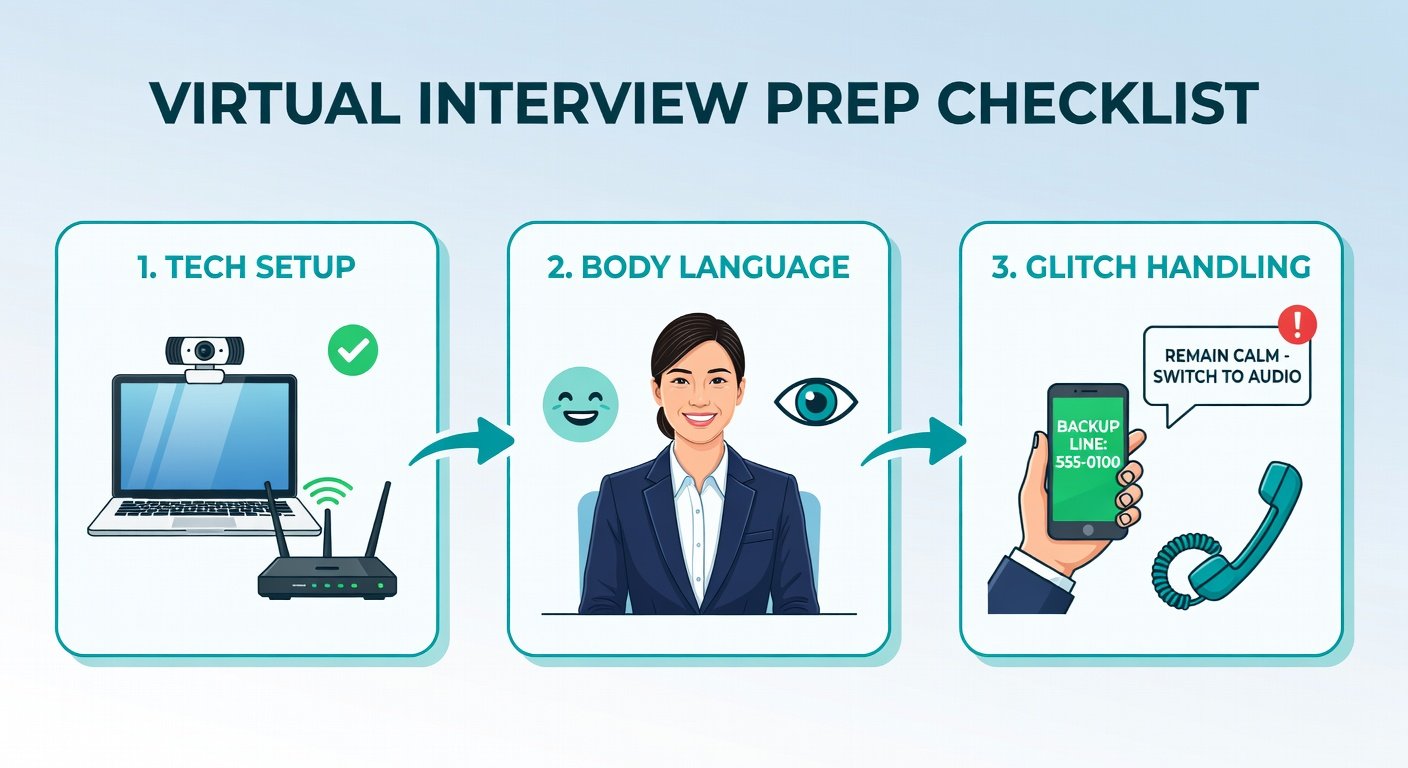
Your technology is the foundation of a successful virtual interview. A glitchy connection or poor audio can derail even the strongest candidate. Start by auditing your setup well in advance—ideally, a week before the interview.
Essential Hardware and Software Checklist
- Camera and Microphone: Use a built-in webcam if it's high-quality (at least 720p resolution), but invest in an external one for better clarity. Pair it with a noise-canceling microphone headset to ensure clear audio.
- Internet Connection: Aim for at least 10 Mbps upload speed. Test your bandwidth using free tools like Speedtest.net. Have a wired Ethernet connection as backup to Wi-Fi.
- Platform Compatibility: Familiarize yourself with common platforms like Zoom, Microsoft Teams, or Google Meet. Download and update the apps, and create accounts if needed.
- Lighting and Background: Position natural light in front of you to avoid shadows. Use a ring light if indoors. Choose a neutral, professional background—virtual ones work if your real space is cluttered.
For example, Sarah, a marketing professional interviewing for a remote role at a tech firm, tested her setup during a mock interview. She discovered her Wi-Fi was unstable and switched to Ethernet, which prevented any disruptions during her actual session.
Don't forget backups: Charge your devices fully, have a secondary internet option like mobile hotspot, and keep a phone nearby for audio fallback.
Enhancing Your On-Camera Presence
Virtual interviews demand a strong visual and verbal presence since non-verbal cues are amplified on screen. Treat it like an in-person meeting but adapted for the digital medium.
Body Language and Attire Tips
Dress professionally from the waist up—think business casual unless specified otherwise. Sit up straight, maintain eye contact by looking at the camera (not the screen), and use natural hand gestures to emphasize points. Avoid fidgeting, as the close-up view makes it noticeable.
A study from LinkedIn highlights that confident body language can increase perceived competence by 20%. Practice smiling and nodding to build rapport with interviewers.
Environmental Control
Eliminate distractions: Inform household members of your schedule, silence notifications, and use 'Do Not Disturb' mode. Position your camera at eye level using books or a stand to simulate a natural conversation height.
Real-world example: During a 2025 virtual interview, tech recruiter Mike noticed a candidate's cat jumping on the desk, which lightened the mood but could have been distracting. He advises keeping pets out of the room to maintain professionalism.
Navigating 2026 Trends: AI Assessments and Hybrid Formats
By 2026, virtual interviews will incorporate more AI tools and hybrid elements, reflecting the blend of remote and in-office work. Understanding these trends is crucial for preparation.
AI-Driven Evaluations
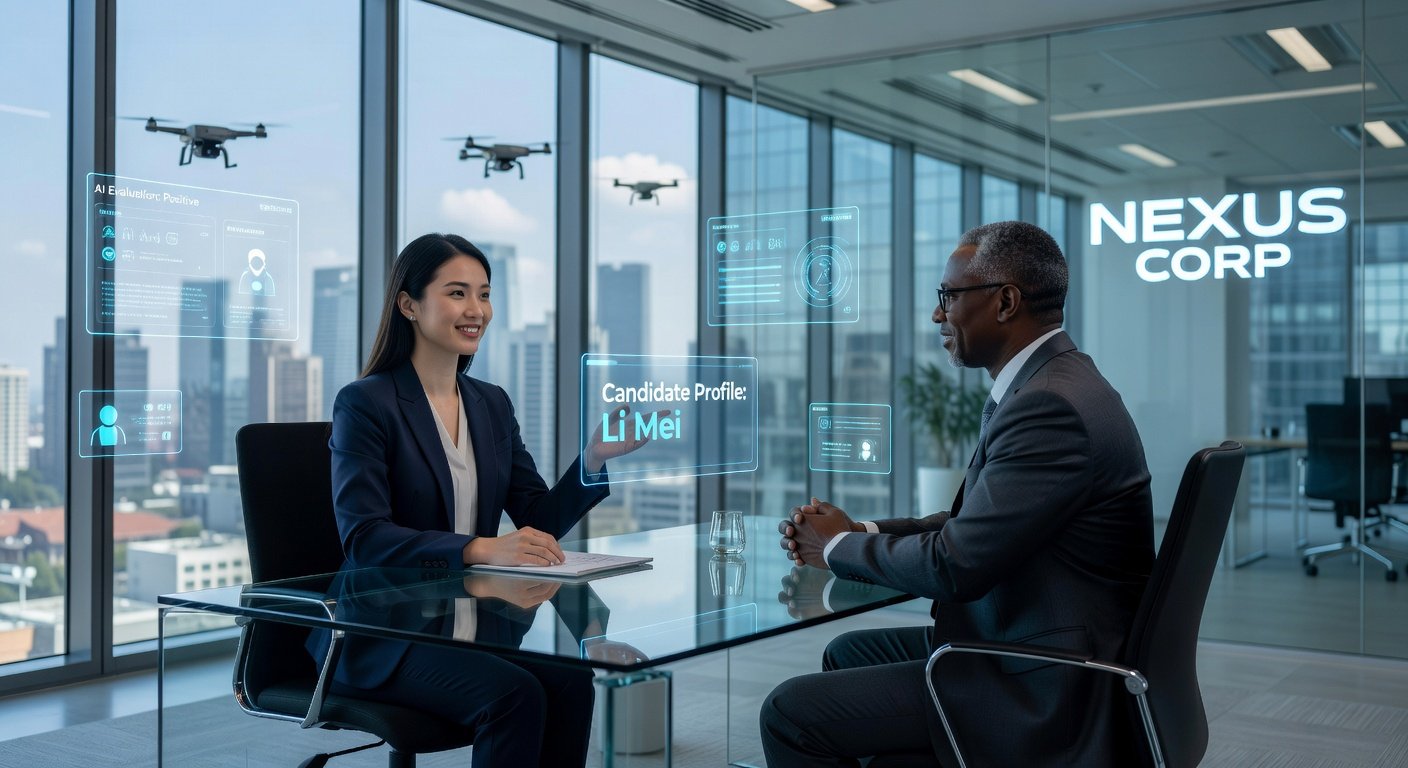
AI assessments are on the rise, using tools to analyze speech patterns, facial expressions, and response times for traits like enthusiasm and clarity. Platforms like HireVue or Modern Hire employ AI to score candidates pre-interview.
To prepare: Practice with AI mock interview tools available on sites like Indeed. Speak clearly, avoid filler words, and focus on concise answers. Remember, AI flags inconsistencies, so align your responses with your resume.
For instance, in a recent pilot program at a Fortune 500 company, AI helped shortlist candidates by detecting confidence levels through voice analysis, but human interviewers still made the final call.
Hybrid Interview Formats
Hybrid setups combine virtual and in-person elements, such as a video call followed by an on-site demo. Expect multi-stage processes where initial screens are virtual, and later rounds may require travel.
Tip: Clarify the format upfront. If hybrid, prepare logistics like travel bookings. Trends show 60% of roles will involve some hybrid interviewing, per industry forecasts.
Handling Technical Glitches and Common Challenges
Even with preparation, issues arise. Knowing how to handle them gracefully can turn a potential disaster into a demonstration of problem-solving skills.
Step-by-Step Glitch Recovery
- Connection Drops: Apologize briefly, explain you're reconnecting, and use your backup plan. Have the interviewer's contact info to text updates.
- Audio/Video Failures: Switch to phone audio immediately. Test this in advance.
- Software Crashes: Restart the app quickly and rejoin. Keep a script handy to recap if needed.
- Question Misunderstandings: In virtual settings, accents or delays can confuse—ask for clarification politely.
Avoid panic: Interviewers understand tech issues are common. One candidate, Alex, experienced a full blackout during his interview; he calmly switched to his phone and continued, impressing the panel with his composure.
For deeper insights into remote work challenges, check resources from the U.S. Bureau of Labor Statistics, which tracks employment trends including virtual hiring practices.
Practical Checklists and Mock Practice Strategies
To build confidence, use these checklists and incorporate mock sessions into your routine.
Pre-Interview Checklist
- Review job description and company research (e.g., recent news, values).
- Prepare answers to common questions: 'Tell me about yourself,' behavioral examples using STAR method (Situation, Task, Action, Result).
- Test full setup: Run a 30-minute mock with a friend via the platform.
- Organize notes: Have bullet points off-camera, but don't read from them.
During-Interview Checklist
- Log in 10 minutes early.
- Greet warmly and confirm everyone's visible/audio is good.
- Listen actively; take brief notes.
- End by asking thoughtful questions, like 'What does success look like in this role?'
Post-Interview Follow-Up
Send a thank-you email within 24 hours, referencing a specific discussion point. This reinforces your interest and professionalism.
Practice mocks weekly: Record yourself to self-assess eye contact, pacing, and filler words. Tools like Zoom's recording feature make this easy.
Common Mistakes to Avoid in Virtual Interviews
Steer clear of these pitfalls to maximize your chances:
- Multitasking: No checking emails—full attention is key.
- Poor Lighting: Backlit faces look shadowy; always light from the front.
- Ignoring Soft Skills: Virtual formats test communication more, so emphasize teamwork stories.
- Forgetting the Human Element: Build rapport with small talk, like commenting on the interviewer's shared screen setup.
Example: A survey by Glassdoor found that 40% of rejected candidates cited technical unpreparedness as the reason.
Conclusion: Your Path to Virtual Interview Success in 2026
Virtual interviews in 2026 offer opportunities to showcase your skills globally, but success hinges on thorough preparation, adaptability, and authenticity. By optimizing your tech, refining your presence, embracing AI trends, and practicing relentlessly, you'll position yourself as a top contender. Remember, confidence comes from readiness—start implementing these tips today, and watch your job prospects soar. Whether it's your first virtual interview or your tenth, these strategies will help you ace it.

No comments yet. Be the first!