 Jobboy

Introduction
Job seekers preparing for interviews in 2026 encounter a dynamic hiring landscape where employers increasingly rely on situational interview questions to evaluate how candidates would navigate complex, real-world challenges. Unlike traditional queries focused solely on past achievements, these hypothetical scenarios probe your ability to think critically under pressure, adapt to evolving workplace norms, and demonstrate sound judgment in areas such as team collaboration and emerging technologies. This comprehensive guide equips you with step-by-step strategies to craft compelling responses that align with 2026 workplace realities, including the rise of hybrid teams and ethical considerations around artificial intelligence. By understanding core distinctions, mastering response frameworks, and reviewing detailed examples across industries, you will build confidence to excel in any interview setting. Whether you are a recent graduate or an experienced professional transitioning roles, the practical advice here transforms vague preparation into targeted, memorable answers that highlight your value to potential employers.
Situational vs Behavioral Questions: Key Differences
Behavioral interview questions typically begin with phrases like “Tell me about a time when…” and require you to recount specific past experiences to illustrate your skills. In contrast, situational questions present hypothetical future scenarios with prompts such as “What would you do if…” forcing you to project how you would respond in novel situations. This shift emphasizes forward-thinking reasoning over historical storytelling. For instance, a behavioral question might explore a past conflict resolution, while its situational counterpart could ask how you would mediate between remote and in-office team members during a high-stakes project. Recognizing these differences allows candidates to prepare layered answers that incorporate both experience and proactive problem-solving. Employers in 2026 value this because it reveals adaptability in fast-changing environments where past patterns may not directly apply to new challenges like managing distributed workforces or addressing AI-driven decisions.
2026 Workplace Trends Shaping Questions
Interviews today reflect broader shifts in how organizations operate. Hybrid teams have become standard, requiring employees to balance asynchronous communication with synchronous meetings across time zones while maintaining productivity and inclusivity. Questions often explore how you would foster connection without daily face-to-face interaction. Simultaneously, AI ethics dilemmas are rising in prominence as companies integrate machine learning tools for hiring, customer service, and data analysis. Candidates may face scenarios involving algorithmic bias, data privacy breaches, or the responsible deployment of generative AI. Understanding these trends helps you anticipate questions that test cultural awareness and ethical foresight. Resources from authoritative bodies like the Society for Human Resource Management provide ongoing insights into these evolving expectations, helping job seekers stay ahead of recruiter priorities.
Proven Response Frameworks
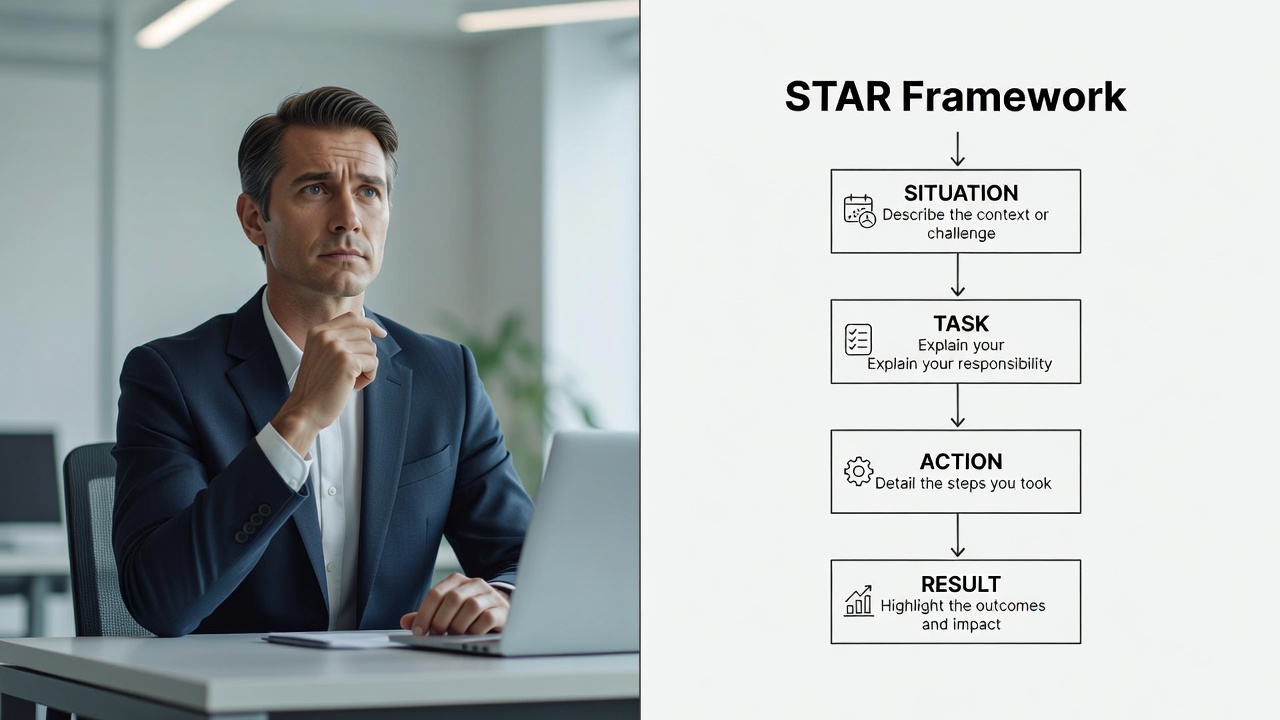
The most effective approach adapts the classic STAR method—Situation, Task, Action, Result—to situational contexts by projecting outcomes rather than recalling events. Begin by outlining the hypothetical situation clearly, define your specific task or responsibility, detail concrete actions you would take, and conclude with measurable projected results. Enhance this for 2026 relevance by adding an ethics evaluation step that considers stakeholder impacts, long-term consequences, and alignment with company values. Another useful framework is the CARL model (Context, Action, Result, Learning), which emphasizes post-action reflection. Practice combining these structures to deliver concise yet comprehensive answers under two minutes. When responding, always tie actions back to collaboration tools, inclusivity practices, and ethical checkpoints that resonate with current hiring managers.
Industry-Specific Examples with Before-and-After Answers
Technology Sector – AI Ethics Scenario: Question: “What would you do if an AI recruitment tool you helped implement began screening out qualified candidates from underrepresented groups?” A weak before answer might say, “I would report it to my manager and wait for instructions.” An improved after response details immediate steps: pause the tool’s deployment, conduct a bias audit using diverse test datasets, consult with ethics officers and affected teams, implement corrective algorithms, and communicate transparently with leadership and candidates. Reference principles from Harvard Business Review on responsible AI deployment to strengthen credibility.
Marketing Industry – Hybrid Team Scenario: Question: “How would you manage a product launch campaign when remote team members in different regions disagree on messaging priorities?” Before: “I would choose the option from the most senior person.” After: Schedule a structured virtual workshop using collaborative platforms, analyze performance data from past campaigns, propose A/B testing across regions, and establish shared KPIs that incorporate local market insights while ensuring brand consistency.
Healthcare Administration – Resource Allocation Scenario: Question: “What steps would you take if budget cuts required reallocating staff during a peak patient influx?” Before answers often lack specificity. After responses outline triaging based on patient acuity, cross-training existing personnel, leveraging telehealth options, and documenting decisions for compliance and future review.
Finance Sector – Data Privacy Scenario: Question: “How would you handle discovering a colleague using AI software that potentially violates client data regulations?” Strong answers emphasize confidential reporting channels, risk assessment, and proactive policy updates rather than confrontation or inaction.
Comparison Table: Frameworks vs Outcomes
| Framework | Best For | 2026 Advantage |
|---|---|---|
| STAR | Structured corporate roles | Delivers clear, projected results with logical flow |
| Ethics-Enhanced STAR | Tech, AI, and compliance-heavy industries | Incorporates bias checks and stakeholder analysis |
| CARL | Creative and adaptive team environments | Highlights continuous learning and iteration |
| Collaborative Decision Model | Hybrid and global teams | Emphasizes inclusivity and data-driven consensus |
Pitfalls Checklist
- Avoid generic statements without concrete, sequential actions that demonstrate planning.
- Never overlook ethical dimensions such as fairness, privacy, or long-term organizational impact.
- Steer clear of blaming hypothetical colleagues or external factors; focus on your own agency and solutions.
- Refrain from overpromising outcomes that sound unrealistic or ignore potential obstacles.
- Do not neglect follow-up considerations like measurement, communication, and adjustment.
FAQ: Handling Follow-Up Probes
Q: What if the interviewer presses for more detail on one step? A: Expand by quantifying the action, such as naming specific collaboration tools or timelines you would establish. Q: How should I address uncertainty around rapidly changing AI regulations? A: Emphasize your commitment to ongoing education through professional development resources and willingness to consult legal or compliance experts. Q: Can I reference personal values in answers? A: Yes, when they align with professional ethics and company culture, but always ground them in practical steps.
Actionable Drills to Complete in Under 30 Minutes
- Select three situational questions relevant to your target role and record video responses using the ethics-enhanced STAR method, timing each under two minutes.
- Review recordings for clarity, pacing, and inclusion of ethical considerations, then note specific improvements.
- Conduct a peer practice session focused exclusively on hybrid team and AI ethics scenarios, exchanging feedback on depth and specificity.
- Download and complete practice templates available from SHRM to reinforce structured thinking and track progress over multiple sessions.
Conclusion
Mastering situational interview questions requires deliberate practice that blends structured frameworks with awareness of 2026-specific trends. By applying the expanded STAR approach, studying industry examples, avoiding common pitfalls, and completing targeted drills, you position yourself as a thoughtful, adaptable candidate ready for the complexities of modern work. Consistent preparation transforms these challenging questions into opportunities to showcase leadership and ethical insight that set you apart in competitive hiring processes.


No comments yet. Be the first!