 Jobboy

Introduction to Industry-Specific Interview Preparation
Job seekers in 2026 face increasingly specialized hiring processes that go far beyond generic advice. Industry-specific interview preparation helps candidates demonstrate deep knowledge of sector demands, whether tackling coding challenges in tech or scenario-based questions in healthcare. This guide delivers actionable steps to research trends, customize responses, and avoid common pitfalls that signal poor cultural fit. Understanding these nuances allows professionals to present themselves as ideal fits rather than interchangeable applicants.
Effective preparation starts with understanding unique expectations. For example, tech roles often emphasize problem-solving under pressure, while finance positions focus on regulatory knowledge and quantitative skills. By tailoring your approach, you increase your chances of standing out in competitive applicant pools. Many candidates overlook how cultural elements like collaboration styles or innovation expectations vary dramatically across fields, leading to mismatched impressions during interviews.
Researching Current Industry Trends for 2026
Begin your interview preparation by analyzing the latest sector developments. Use resources like official labor statistics and professional networks to identify emerging skills and challenges. In tech, artificial intelligence integration and cybersecurity remain priorities, while healthcare emphasizes telehealth protocols and data privacy compliance. Staying informed positions you to anticipate questions and provide forward-thinking answers.
Step-by-step checklist for trend research:
- Review recent reports from authoritative sources on hiring patterns, such as data from the Bureau of Labor Statistics.
- Follow industry leaders on professional platforms to note recurring themes in job postings.
- Analyze competitor company updates for clues on evolving requirements.
- Document specific metrics or technologies mentioned frequently in 2026 postings.
- Attend virtual webinars or read whitepapers from trade associations to deepen context.
- Cross-reference findings with peer experiences shared in targeted online communities.
This foundation allows you to weave relevant examples into every answer, showing you are current rather than generic. Neglecting this step often results in outdated references that undermine credibility.
Customizing Answers to Common Interview Questions
Knowing how to answer interview questions requires adapting standard prompts to your field. Behavioral questions like “Tell me about a time you solved a problem” benefit from industry metrics. In tech, reference code efficiency improvements; in healthcare, highlight patient outcome enhancements. Always prepare multiple variations to handle follow-up probes effectively.
Real-world case study: A software engineer candidate prepared for a 2026 role by practicing responses around scalable system design. They incorporated recent AI tool adoptions, leading to an offer after demonstrating both technical depth and business impact awareness. In contrast, a healthcare administrator used similar preparation to discuss compliance with new privacy standards, securing a leadership position by aligning personal achievements with organizational goals.
Another example from finance: Candidates who tied answers to evolving ESG regulations stood out by showing proactive knowledge rather than reactive responses. This customization transforms routine questions into opportunities to showcase expertise.
Tech Sector Focus: Coding Challenges and Portfolio Integration
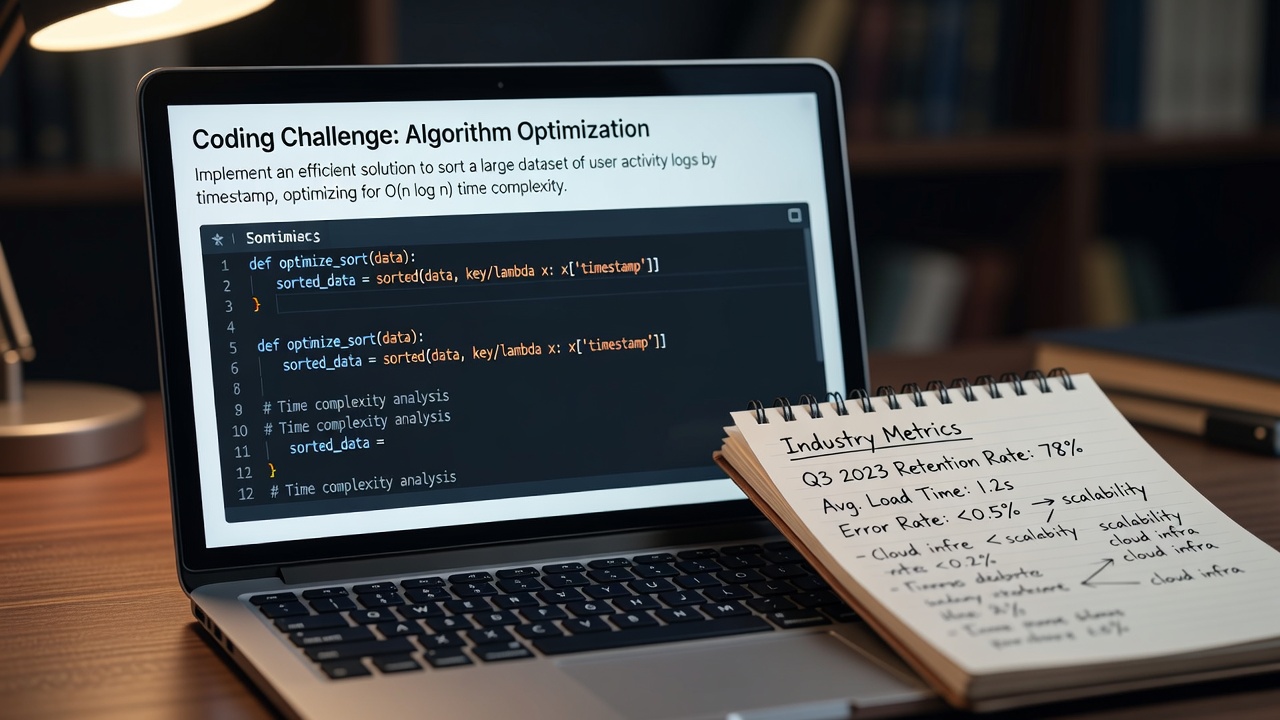
Tech interviews often include live coding or system design exercises. Prepare by solving problems on platforms that mirror real assessments, emphasizing clean code and edge-case handling. Candidates should also anticipate questions on cloud infrastructure and ethical AI use, which have gained prominence in 2026 hiring cycles.
Healthcare Sector Focus: Scenario-Based Questions
Healthcare roles frequently use situational judgment tests. Practice responses involving ethical dilemmas, emergency protocols, and interdisciplinary collaboration using specific medical terminology accurately. Drawing from guidelines by organizations like the World Health Organization can add authoritative depth to your examples.
Finance and Marketing Sector Adaptations
Finance interviews stress quantitative analysis and risk assessment scenarios. Prepare case studies involving market volatility modeling or regulatory compliance audits. Marketing candidates should focus on campaign analytics and consumer behavior insights, preparing to discuss ROI calculations and digital strategy pivots relevant to current trends.
Building a Targeted Portfolio for Your Industry
A strong portfolio goes beyond a resume by showcasing tangible results. For creative fields, include project case studies with measurable outcomes. Tech candidates should feature GitHub repositories with documented contributions, while marketing professionals highlight campaign ROI data. Ensure every entry includes context on the problem solved, tools used, and quantifiable impact achieved.
Practical steps include curating 3-5 key projects, adding context on challenges overcome, and ensuring all materials align with the target company’s values. Update your portfolio quarterly to reflect new accomplishments and remove outdated items. This ongoing maintenance prevents last-minute scrambles before interviews.
Practicing Behavioral Interview Responses with Industry Metrics
Behavioral interviews assess cultural fit through past examples. Structure answers using the STAR method but infuse industry-specific metrics. Quantify achievements like “reduced deployment time by 40% using new CI/CD pipelines” for tech or “improved patient satisfaction scores by 25% through process redesign” for healthcare. Rehearse aloud with a timer to refine delivery and eliminate filler words.
Avoid vague statements; always tie experiences back to role requirements to demonstrate fit. Record practice sessions for self-review and seek feedback from mentors within your target industry for nuanced improvements.
Salary Negotiation Tailored to Field Standards
Approach salary discussions with research on current benchmarks. Prepare by reviewing compensation data from reliable outlets and framing requests around your unique value, such as specialized certifications or proven results in similar environments. Consider total rewards packages including equity, bonuses, and professional development stipends that vary widely by sector.
Role-play negotiations with a trusted advisor to build confidence. Know your walk-away points in advance and practice articulating them professionally without appearing inflexible.
Common Mistakes to Avoid in Industry Interviews
- Failing to research company-specific challenges within the broader industry.
- Using generic answers that ignore sector nuances.
- Neglecting to prepare questions that show strategic thinking about the field.
- Overlooking soft skills like communication styles valued in the target culture.
- Arriving unprepared for virtual interview technical glitches or platform-specific features.
- Ignoring follow-up etiquette such as personalized thank-you notes referencing discussion points.
Frequently Asked Questions
How should I prepare for tech coding interviews in 2026?
Focus on data structures, algorithms, and system design while practicing timed exercises. Incorporate emerging tools like AI-assisted coding platforms in your study routine and simulate real interview environments with peers.
What are key differences in healthcare interview questions?
Expect more emphasis on patient-centered scenarios, regulatory compliance, and teamwork under high-stakes conditions compared to other fields. Review case studies involving interdisciplinary care coordination.
Can I reuse the same portfolio across industries?
No—always customize content to highlight metrics and projects most relevant to the specific sector’s priorities. Tailoring prevents mismatched signals that confuse hiring managers.
How do virtual interviews differ by industry in 2026?
Tech roles may include shared coding environments, while healthcare often tests empathy through video role-plays. Test your setup thoroughly and adapt body language to camera constraints.
What resources help with finance-specific interview prep?
Study regulatory updates and practice valuation models using publicly available datasets. Join professional forums for recent case examples from peers who recently interviewed.
Conclusion
Mastering industry-specific interview preparation positions you for success in 2026’s competitive job market. By researching trends, customizing responses, building targeted portfolios, and practicing with relevant metrics, candidates demonstrate both expertise and cultural alignment. Apply these strategies consistently to convert interviews into offers across tech, healthcare, finance, and beyond. Continuous refinement based on feedback ensures long-term career advancement.


No comments yet. Be the first!