 Jobboy
Introduction to Group Interviews in 2026
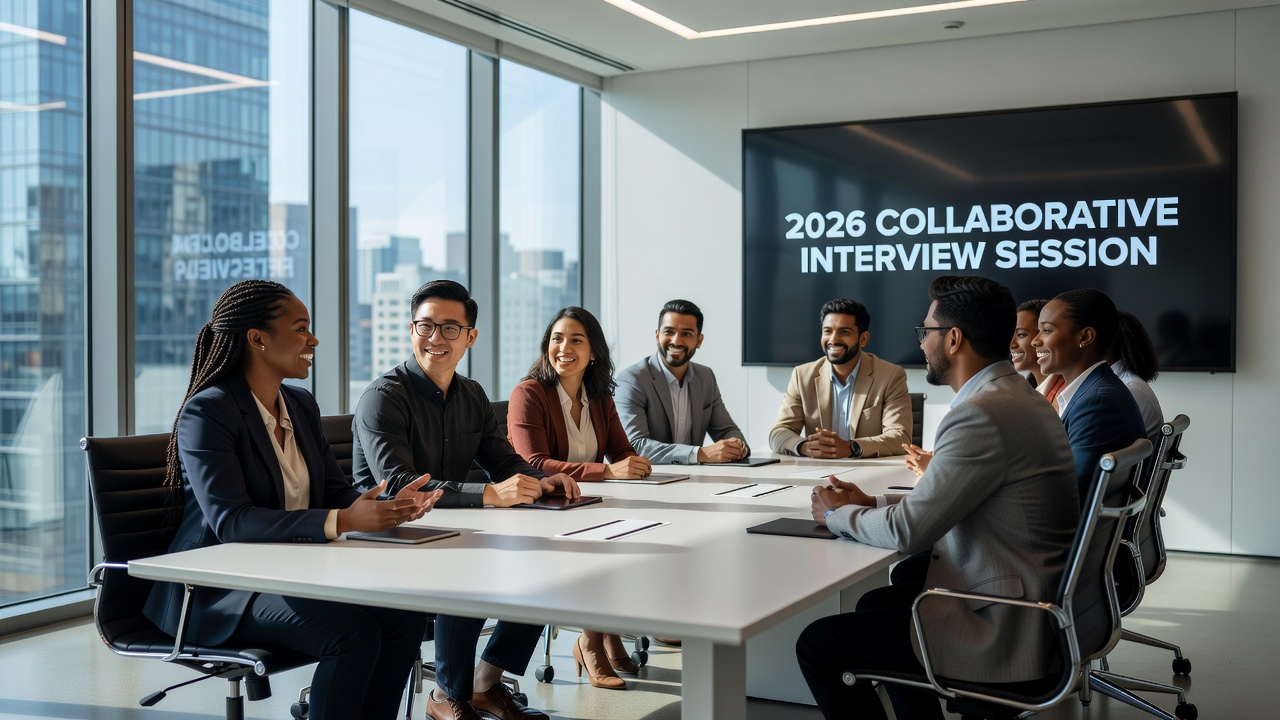
Group interviews have become a staple in modern hiring, especially as companies seek efficient ways to evaluate multiple candidates simultaneously. In 2026, these interactive sessions emphasize collaboration, adaptability, and real-time problem-solving more than ever before. Employers use group formats to observe how individuals interact under pressure, contribute ideas, and support team goals. This comprehensive guide provides in-depth strategies to help you differentiate yourself while mastering essential job interview tips and learning how to answer interview questions naturally. Whether you are facing a panel of recruiters or competing with five other applicants, the principles outlined here will equip you with actionable frameworks that turn potential challenges into standout moments.
Preparation Techniques for Group Interviews
Thorough preparation sets the foundation for success in any collaborative setting. Begin by researching the company culture and recent initiatives using trusted resources like Harvard Business Review. Review the organization's latest projects, values, and industry challenges to demonstrate informed enthusiasm during discussions. Practice common scenarios by role-playing with peers or mentors, focusing on both individual contributions and team synergy. Prepare your elevator pitch in advance and anticipate group dynamics by reviewing behavioral questions that often arise in team-based evaluations. Additionally, familiarize yourself with current hiring trends, such as the increased use of virtual breakout rooms and AI-assisted observation tools that many organizations adopted by early 2026.
Step-by-Step Framework for Preparation
- Study the job description thoroughly and align your past experiences with the required skills and competencies.
- Prepare 3-5 detailed stories demonstrating teamwork, leadership, and conflict resolution using the STAR method.
- Research competitors and emerging industry trends for 2026 to show strategic awareness during discussions.
- Rehearse active listening techniques, positive body language, and concise speaking to avoid rambling under time constraints.
- Simulate group exercises at home by timing your responses and inviting feedback on your collaborative style.
These steps ensure you enter the room or virtual session with confidence and a clear plan for engagement.
Understanding 2026 Trends in Interactive Hiring Processes
The hiring landscape in 2026 reflects a shift toward more immersive and collaborative assessments. Companies now integrate elements like live case studies, shared digital whiteboards, and rapid ideation rounds to evaluate soft skills alongside technical abilities. Candidates who adapt quickly to these formats often advance further because they demonstrate emotional intelligence and flexibility. Staying current with these trends means reviewing recent reports from professional networks and practicing with similar exercises in advance.
Handling Group Dynamics Effectively
Group settings test your ability to balance assertiveness with genuine cooperation. Observe others before jumping in, then contribute thoughtfully by building on existing ideas rather than starting from scratch. If conflict arises among participants, mediate diplomatically by acknowledging all viewpoints and proposing inclusive solutions. Effective candidates read the room, notice quieter members, and create space for balanced participation without dominating the conversation. This skill set distinguishes leaders from mere competitors.
Real-Time Collaboration Examples and Winning Responses
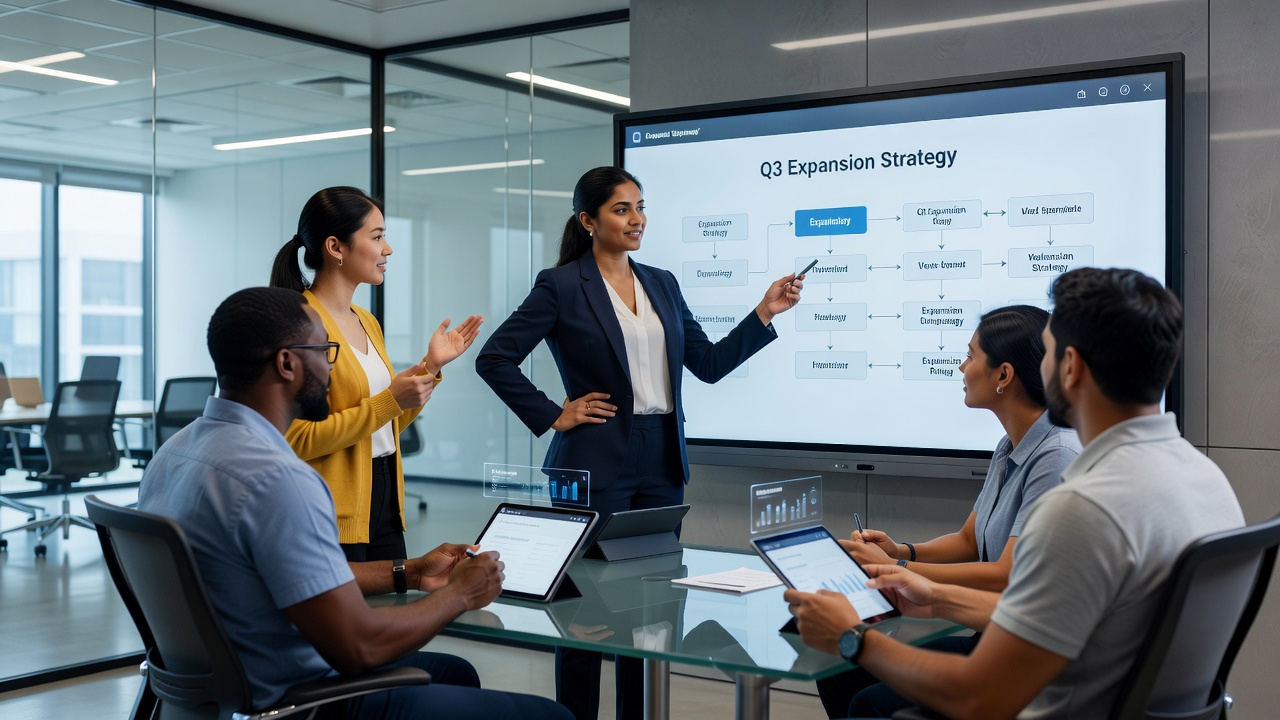
Consider a typical scenario where the group must brainstorm a marketing campaign for a new product launch. A winning response might sound like this: "Building on Sarah's earlier point about social media reach, we could integrate data analytics to measure real-time impact, similar to successful campaigns highlighted on LinkedIn." This approach shows active listening, idea development, and value addition without overshadowing teammates. Another example involves a problem-solving exercise about improving customer service. Instead of immediately offering your solution, you might say, "Let's first clarify the main pain points mentioned by the team before prioritizing solutions." Such phrasing demonstrates strategic thinking and respect for collective input.
Sample Scenarios with Detailed Winning Responses
In a virtual group interview, participants are asked to rank five company values in order of importance. A strong candidate might facilitate briefly by saying, "To make this efficient, shall we each share our top two and then discuss overlaps?" This shows initiative and process orientation. In another case involving role assignment for a team project, respond by volunteering for a supporting role if it plays to your strengths while explicitly supporting the leader's vision. These micro-moments accumulate to create a memorable positive impression.
Common Mistakes to Avoid in Group Interviews
- Interrupting others or speaking over teammates, which signals poor listening skills and disrespect.
- Focusing solely on personal achievements without connecting them to team outcomes or shared success.
- Ignoring quieter participants or failing to invite their input, which can appear self-centered.
- Neglecting to ask thoughtful follow-up questions that demonstrate genuine curiosity about others' ideas.
- Overusing filler words or dominating airtime, which reduces perceived confidence and professionalism.
- Failing to adapt when the group direction changes suddenly, revealing rigidity instead of adaptability.
Avoiding these pitfalls requires self-awareness and deliberate practice before the actual interview.
FAQ on Etiquette and Follow-Up
How should I greet everyone in a group interview?
Make eye contact with each person, offer a firm handshake or respectful nod depending on the setting, and introduce yourself confidently with a smile. This establishes presence immediately.
What is the best way to follow up after a group interview?
Send personalized thank-you emails within 24 hours, referencing specific discussion points raised by each interviewer to show attentiveness and continued interest.
Is it appropriate to disagree with another candidate?
Yes, but do so respectfully by using phrases like "I see your point, and here's another angle to consider" to maintain positive group dynamics.
How can I ensure my contributions are remembered?
Support others' ideas first, then add your unique perspective, and summarize key points at natural breaks in the conversation.
Conclusion
Mastering group interviews requires deliberate preparation, confident presence, and a collaborative mindset. By applying these frameworks, studying real examples, and avoiding common mistakes, you can stand out authentically in 2026 hiring processes. Implement these strategies consistently to advance your career and turn group interviews into opportunities for professional growth.

No comments yet. Be the first!