 Jobboy
Why Climate Risk Questions Dominate 2026 ESG Interviews
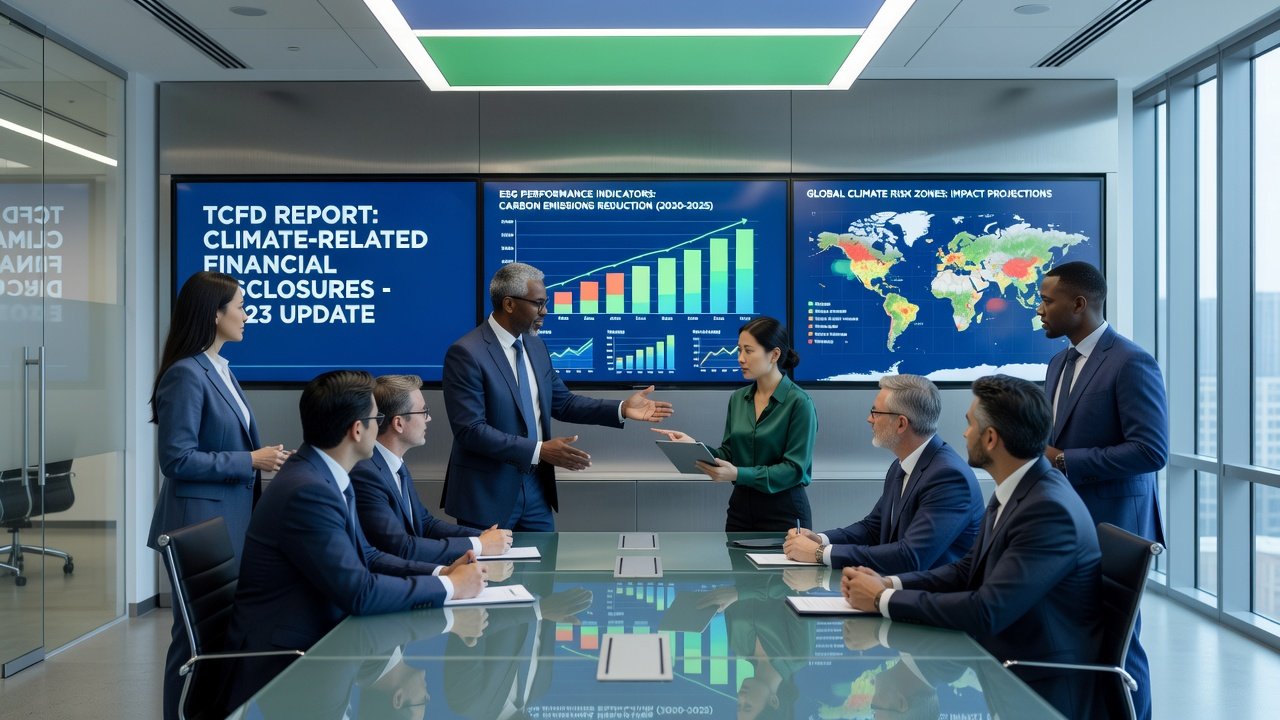
Climate risk has emerged as one of the most critical topics in ESG interviews for 2026. With increasing regulatory pressure, investor expectations, and stakeholder demands for transparency, hiring managers are probing candidates on their ability to assess, mitigate, and communicate climate-related risks. Companies across industries now integrate climate considerations into core business strategies, making it essential for job seekers to demonstrate both technical knowledge and strategic thinking. This deep dive extends our ESG series by providing actionable frameworks, real-world examples from recent sustainability reports, sector-specific comparisons, and practical research tools to help candidates excel.
Step-by-Step Response Framework for Climate Risk Questions
A structured approach ensures your answers remain concise yet comprehensive. Begin by identifying whether the risk is physical, such as extreme weather events disrupting operations, or transitional, including policy shifts like carbon taxes or market changes toward low-carbon alternatives. Next, quantify the potential business impact using specific metrics like percentage revenue at risk or cost increases. Then outline mitigation or adaptation strategies, referencing established frameworks such as scenario analysis. Finally, connect your response to long-term value creation, showing how proactive management supports resilience and competitive advantage. Practice timing your delivery to two minutes while incorporating data from the latest corporate disclosures.
Applying the Framework in Real Scenarios
Consider a question about supply chain vulnerabilities. Start with physical risks from flooding in key regions, reference a company’s reported exposure in its TCFD filing, propose diversified sourcing as a mitigation step, and conclude by linking this to sustained profitability. This method transforms generic statements into evidence-based narratives that impress interviewers.
Weak vs Strong Sample Answers
Weak answers often remain vague and lack specificity. For instance, responding to “How would you address transition risks?” with “Companies should just go green” fails to demonstrate depth. In contrast, a strong answer might state: “Transition risks from emerging carbon pricing regulations could elevate manufacturing costs by double digits according to recent analyses. I would implement TCFD-aligned scenario modeling to evaluate pathways, similar to how leading firms have shifted investments toward renewable sources and achieved measurable reductions in emissions intensity.” Prepare multiple variations for common questions on physical risks, Scope 3 emissions, and governance oversight to build versatility.
Sector Comparisons: Finance, Tech, and Manufacturing
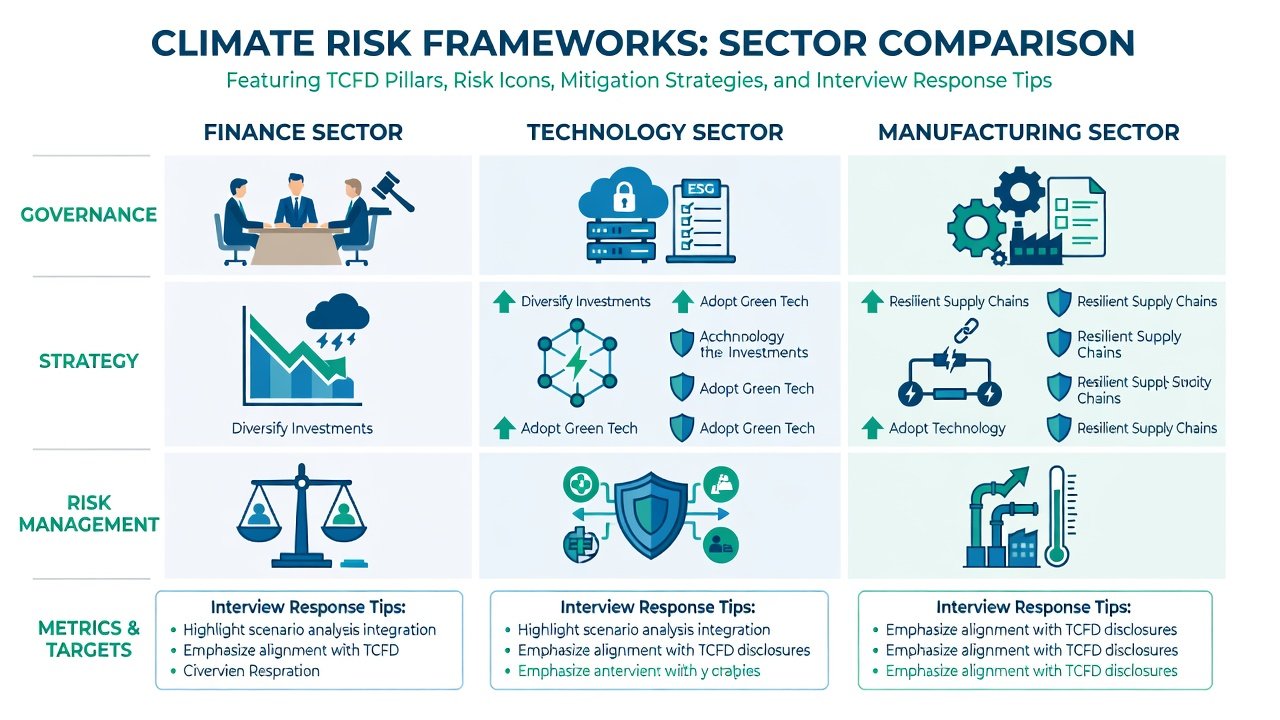
Understanding sector nuances allows you to tailor responses effectively. In finance, emphasis lies on portfolio-level exposure to high-carbon assets and conducting climate stress tests under various warming pathways. Candidates might discuss how banks are adjusting lending criteria based on borrower climate performance. Technology roles typically highlight energy consumption in data centers, the push for renewable power purchase agreements, and managing Scope 3 emissions from hardware supply chains. Manufacturing candidates focus on physical asset resilience, water scarcity risks, and process electrification to lower emissions. Reviewing the most recent sustainability reports from sector leaders reveals concrete examples that strengthen interview responses.
Explore IFRS sustainability standards for the global baseline influencing corporate climate reporting expectations worldwide.
Practical Tools for Researching TCFD Disclosures
Effective preparation begins with targeted research. Access company investor relations websites to download the latest annual or sustainability reports containing TCFD sections. Cross-check data against regulatory databases to verify consistency between voluntary and mandatory filings. Utilize free online scenario analysis tools provided by recognized climate organizations to practice quantifying impacts. Maintain a personal log of key metrics such as emissions reduction targets and progress updates. When preparing personal impact examples, quantify achievements like leading an initiative that cut facility energy use by implementing LED lighting upgrades or optimizing logistics routes. These details illustrate authentic engagement during discussions.
- Locate TCFD-aligned reports directly from company websites and note specific risk categories mentioned.
- Compare disclosures across peer companies to identify best practices and common gaps.
- Apply free templates for physical and transition risk assessment to structure your own examples.
- Track regulatory timelines to anticipate questions about upcoming compliance requirements.
Quantifying Personal Impact Examples
Interviewers value candidates who can translate abstract concepts into personal action. One strong example involves coordinating a cross-functional team to audit and reduce business travel emissions through virtual collaboration tools, resulting in documented savings. Another candidate highlighted advocacy for on-site renewable installations that lowered operational carbon output. Always tie these stories to broader career values by explaining how they reflect a commitment to sustainable growth and ethical leadership. This alignment demonstrates not only knowledge but also cultural fit for organizations prioritizing ESG integration.
FAQ: Regulatory Updates and Career Alignment
What are the key 2026 regulatory changes affecting climate disclosures?
Expanded mandatory reporting frameworks now require integration of climate risks into mainstream financial statements. Candidates should monitor updates from international bodies and national regulators to address jurisdiction-specific expectations confidently.
How do I connect climate risk answers to career values?
Frame responses around genuine alignment with net-zero pathways and responsible investment principles. Reference ongoing professional development in ESG topics and how your values drive long-term contributions to sustainable business models.
Review SEC climate disclosure guidance to prepare for U.S.-specific regulatory questions that may arise.
What common mistakes should candidates avoid?
Avoid overly technical jargon without business context, neglecting to mention governance roles, or failing to link climate actions to financial outcomes. Instead, balance technical detail with strategic implications.
Consult World Bank climate resources for additional data on global physical risk assessments useful in interview preparation.
Conclusion
Mastering climate risk questions in 2026 requires blending structured frameworks with sector-specific examples, rigorous research, and personal reflection. By applying the strategies outlined above, candidates can deliver compelling responses that showcase both expertise and values alignment, positioning themselves strongly for roles in sustainable finance, technology, and manufacturing.

No comments yet. Be the first!