 Jobboy

Introduction to Interview Success in 2026
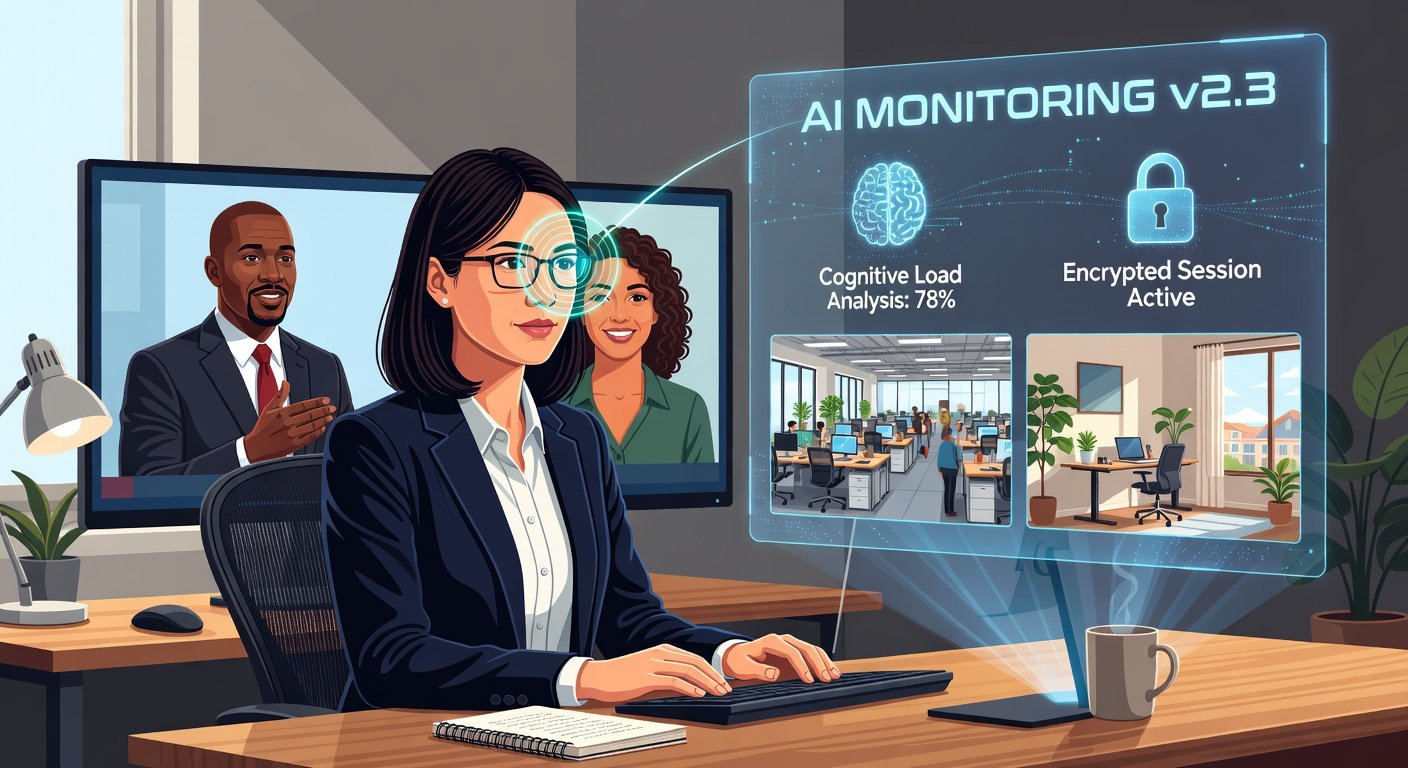
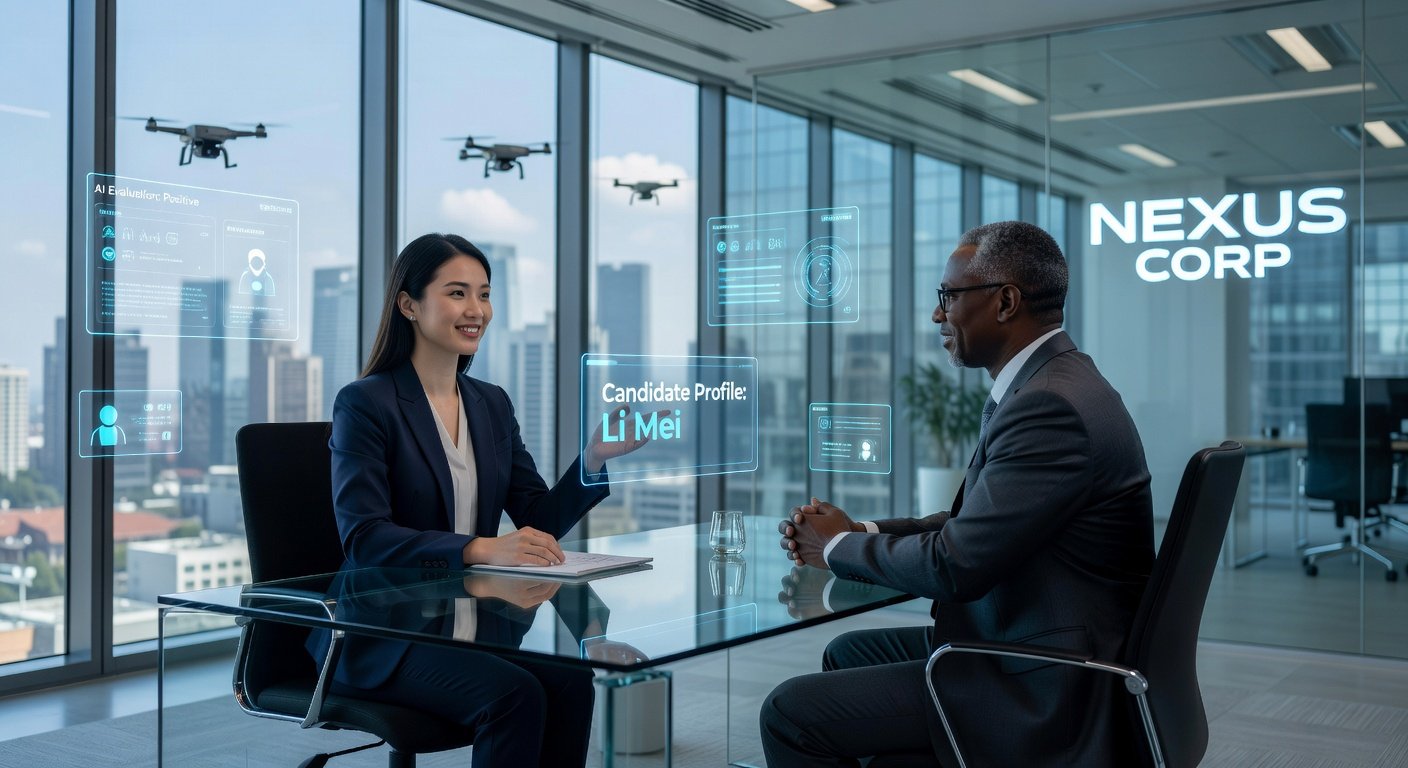
Job interviews remain a critical gateway to career opportunities, but as we approach 2026, the landscape is evolving rapidly. With the rise of AI proctoring tools monitoring virtual interviews for authenticity and the normalization of remote-hybrid formats, candidates must adapt to avoid common pitfalls. This article details 12 prevalent interview mistakes, drawing from real examples of recent hires who stumbled, and provides actionable tips to prevent them. By steering clear of these errors, you'll enhance your performance and stand out in a competitive market.
Whether you're preparing for an in-person, virtual, or hybrid interview, awareness of these mistakes is key. Let's dive into the list, starting with body language blunders.
1. Fidgeting and Poor Body Language
One of the most noticeable mistakes is fidgeting, such as tapping feet or playing with objects, which signals nervousness or disinterest. In a recent hire at a tech startup, Sarah constantly adjusted her hair during a video interview, distracting the panel and costing her the role despite strong qualifications.
Actionable Tips:
- Practice deep breathing exercises before the interview to stay calm.
- Sit up straight with hands visible and still on the desk or lap.
- For virtual setups, ensure your camera is at eye level to mimic natural eye contact—crucial in 2026's AI-monitored sessions where subtle cues are analyzed.
2. Rambling Answers
Delivering long-winded responses without structure can bury your key points. Take Mike, who applied for a marketing position at a Fortune 500 company; his 10-minute answer to "Tell me about yourself" overwhelmed the interviewer, leading to a polite rejection.
Actionable Tips:
- Use the STAR method (Situation, Task, Action, Result) to keep answers concise, aiming for 1-2 minutes per question.
- Practice with a timer to build brevity.
- In hybrid formats, pause briefly to check if the interviewer wants more details, respecting time constraints in remote settings.
3. Ignoring Company Culture Fit
Failing to align your responses with the company's values can make you seem mismatched. Emily overlooked this during her interview at a sustainability-focused firm, focusing solely on skills and missing the cultural emphasis on collaboration, resulting in her being passed over.
Actionable Tips:
- Research the company's mission via their website and recent news.
- Weave in examples of how your values align, e.g., "I'm passionate about team-driven projects, much like your collaborative initiatives."
- For 2026 trends, prepare for AI tools that scan for cultural keywords in your responses during proctored interviews.
4. Not Researching the Company Thoroughly
Arriving unprepared about the organization's background is a red flag. John bombed his finance interview by not knowing the company's recent merger, prompting the hiring manager to question his interest.
Actionable Tips:
- Review the company's LinkedIn page and annual reports for updates.
- Prepare 2-3 specific questions based on findings, like "How has the merger impacted your team structure?"
- In remote-hybrid interviews, use screen-sharing tools to reference researched points if appropriate.
5. Negative Talk About Past Employers
Badmouthing previous bosses alienates interviewers. Lisa's interview for a sales role soured when she vented about her old manager's micromanagement, painting her as difficult.
Actionable Tips:
- Frame experiences positively: "I learned valuable lessons in that role that prepared me for growth opportunities."
- Focus on what you gained rather than grievances.
- This holds especially in AI-proctored 2026 interviews, where sentiment analysis might flag negativity.
6. Not Asking Questions
Ending an interview without questions suggests lack of engagement. Tom's silence at the Q&A phase made him seem uninterested, despite acing the technical portion.
Actionable Tips:
- Prepare 3-5 thoughtful questions, such as "What does success look like in this role?"
- Tailor them to hybrid work trends: "How does your team balance remote and in-office collaboration?"
- Avoid salary or benefits queries until offered.
7. Inappropriate Attire
Dressing too casually undermines professionalism. Alex wore jeans to a corporate interview, clashing with the expected business attire and diminishing his credibility.
Actionable Tips:
- Research dress codes via Glassdoor reviews or company photos.
- Opt for business professional unless specified otherwise; for video calls, dress fully from the waist up.
- In 2026's virtual era, ensure lighting highlights your professional look for AI facial recognition.
8. Technical Glitches in Virtual Interviews
Unprepared tech setups disrupt flow. During a remote interview, Rachel's unstable internet caused audio dropouts, frustrating the panel and ending her candidacy prematurely.
Actionable Tips:
- Test your setup 24 hours in advance: camera, mic, and stable connection.
- Have a backup device ready.
- With 2026 AI proctoring, familiarize yourself with platforms like Zoom that integrate monitoring features—practice in simulated environments.
For more on virtual interview best practices, check out resources on LinkedIn's career advice section.
9. Poor Follow-Up
Forgetting a thank-you note misses a chance to reinforce interest. After his interview, David never followed up, slipping from the shortlist as others did.
Actionable Tips:
- Send a personalized email within 24 hours, recapping a key discussion point.
- Reference hybrid trends if relevant: "I'm excited about contributing to your remote innovation projects."
- Keep it brief and professional.
10. Not Preparing for Behavioral Questions
Being caught off-guard by "Tell me about a time..." questions reveals unpreparedness. Nina struggled when asked about conflict resolution, mumbling through without examples.
Actionable Tips:
- Brainstorm 5-7 stories from your experience using STAR.
- Practice aloud to sound natural.
- In AI-proctored formats, ensure responses are clear and structured to pass automated evaluations.
11. Overconfidence or Arrogance
Bragging without humility turns off interviewers. Greg's boastful claims about being "the best" alienated the team-oriented company.
Actionable Tips:
- Balance achievements with team contributions: "My project succeeded thanks to collaborative efforts."
- Listen more than you speak.
- For 2026 hybrid interviews, maintain a collaborative tone to align with diverse team dynamics.
12. Ignoring Non-Verbal Cues from Interviewers
Missing signals like crossed arms or glances at watches can mean you're off-track. Sophia continued rambling despite the interviewer's fidgeting, missing the cue to wrap up.
Actionable Tips:
- Observe body language and adjust: if they seem disengaged, pivot or ask if they're clear.
- In virtual settings, watch for digital cues like muted mics.
- AI tools in 2026 may even provide real-time feedback on engagement—stay attuned.
Embracing 2026 Interview Trends
As interviews incorporate AI proctoring to detect cheating or inauthenticity and hybrid formats blending in-person and remote elements, preparation must evolve. For instance, AI systems from companies like HireVue analyze eye movement and response consistency. To counter this, focus on genuine, structured answers. Hybrid interviews demand versatility: practice switching between camera presence and in-room dynamics. According to industry forecasts, by 2026, 70% of interviews will be hybrid, emphasizing adaptability.
Learn more about emerging HR technologies via Harvard Business Review.
Conclusion
Avoiding these 12 mistakes can transform your interview from average to exceptional. Recent hires' stories underscore that small adjustments yield big results. Invest time in preparation, embrace 2026's innovations, and approach each opportunity with confidence. Your next role awaits—polish your skills and step forward.
No comments yet. Be the first!