 Jobboy
Introduction to Virtual Career Fairs in 2026
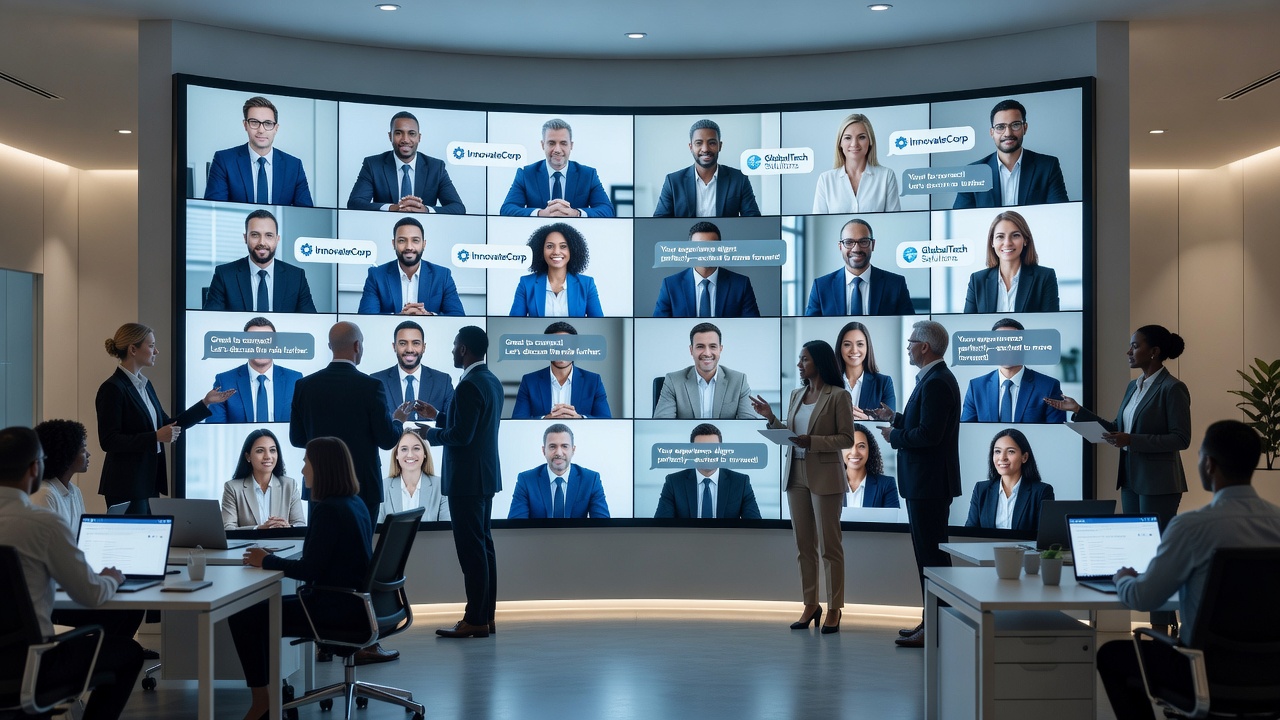
Virtual career fairs have become essential for HR professionals seeking scalable recruiting channels in a competitive talent market. In 2026, these events allow companies to connect with both active job seekers and passive candidates across geographies without the logistical burdens of in-person gatherings. This comprehensive guide provides step-by-step strategies for planning, executing, and measuring success, drawing on real-world examples from mid-sized tech firms that have refined their approaches over multiple cycles.
Organizations are increasingly turning to virtual formats because they reduce costs while expanding reach. Passive candidates who might skip physical events can participate from their homes or offices, leading to higher engagement rates. The key is treating the virtual fair not as a one-off webinar but as a full recruiting ecosystem that integrates promotion, live interaction, data capture, and long-term nurturing.
Selecting the Right Virtual Career Fair Platform
Choosing a platform is foundational to event success. Popular options include specialized recruiting tools that support video chats, breakout rooms, real-time analytics, and mobile accessibility. Mid-sized tech companies often prioritize platforms that scale from 500 to 5,000 participants seamlessly while offering strong security features.
When evaluating options, request demos focused on user experience for candidates and recruiters alike. Look for features such as AI-powered matching, customizable branding, and robust reporting dashboards. Compare integration options with your existing tech stack early. Some platforms excel at high-volume events while others shine in niche, targeted fairs for specific skill sets like software engineering or data science.
Key Evaluation Criteria
- Attendee capacity and concurrent session handling
- Video and chat quality on both desktop and mobile
- Data export capabilities and privacy controls
- Customer support availability during live events
- Pricing transparency and scalability for repeat events
Event Promotion Tactics That Drive Attendance
Promotion begins weeks in advance through targeted email campaigns, LinkedIn ads, and partnerships with universities or professional associations. Use personalized invitations highlighting specific roles and company culture. Social media teasers with employee testimonials can boost registrations by creating authentic buzz and encouraging shares among peer networks.
Collaborate with influencers in your industry to amplify reach. Track promotion metrics like open rates and click-throughs to refine messaging in real time. Segment your audience by career stage and send tailored content: early-career candidates receive information about mentorship programs, while experienced professionals see details about leadership tracks and compensation structures.
Designing Interactive Session Formats
Static webinars fall flat; instead, incorporate live Q&A panels, virtual booth tours, and speed-networking rounds. Breakout sessions on topics like career growth in tech or navigating remote work keep attendees engaged. Schedule sessions in multiple time zones to accommodate global participants and provide closed captioning for accessibility.
Include gamification elements such as leaderboards for most active attendees or polls during presentations. These formats foster two-way dialogue that mirrors in-person energy and helps recruiters identify high-potential candidates through their participation levels.
Post-Event Follow-Up Sequences
Immediate follow-up is critical for converting interest into applications. Send personalized thank-you emails within 24 hours, including recorded sessions and next-step resources. Use automated sequences in your CRM to nurture leads over the following weeks with targeted content like role spotlights or company culture videos.
Segment candidates by interest level and role fit. High-potential applicants receive direct recruiter outreach within 48 hours, while others get educational content to stay top-of-mind. Track response rates and adjust sequences based on engagement data to improve conversion over time.
Measuring ROI Through Engagement Metrics
Track key performance indicators including registration-to-attendance ratio, average session duration, chat interactions, and post-event application rates. Compare these against pre-event benchmarks to calculate cost-per-hire improvements and overall event effectiveness.
Advanced analytics dashboards help correlate virtual fair activity with downstream hiring outcomes, providing data-backed justification for continued investment. Consider measuring qualitative feedback through post-event surveys that ask about candidate experience and likelihood to recommend the company.
Integrating with Existing ATS Systems
Seamless integration ensures candidate data flows directly into your applicant tracking system. Prioritize platforms with native connectors to tools like Workday or Greenhouse. This reduces manual entry and minimizes data loss during high-volume events.
Test integrations thoroughly before launch. Include fields for consent and source tracking to maintain clean records for reporting and compliance audits. A well-integrated system allows recruiters to move quickly from virtual conversations to interview scheduling without losing momentum.
Compliance Considerations for Global Attendees
Global events require attention to data privacy laws such as GDPR and CCPA. Obtain explicit consent for data collection and provide clear opt-out options. Consult legal experts to review terms of service for each platform used.
For U.S.-based companies, reference guidelines from the U.S. Equal Employment Opportunity Commission to ensure fair hiring practices. International attendees may also trigger additional labor law considerations depending on their location, making pre-event legal review essential.
Step-by-Step Checklists for Success
- Four weeks out: Finalize platform, define target roles, draft promotion calendar, and secure internal stakeholder buy-in.
- Two weeks out: Launch registration page, train staff on tools, prepare session content, and create backup plans for technical issues.
- One week out: Send reminders, test tech setup with a small group, brief hiring managers, and prepare swag or digital giveaways.
- Event day: Monitor live engagement, have dedicated moderators in each room, and troubleshoot in real time.
- Post-event: Execute follow-up sequences, compile performance reports, and schedule debrief meetings with the recruiting team.
Real-World Examples from Mid-Sized Tech Firms
A 400-employee SaaS company hosted a virtual fair that yielded 120 qualified applicants, with 15 hires within 60 days. Their success stemmed from pre-event LinkedIn targeting and interactive resume review sessions that allowed candidates to receive immediate feedback. Another firm integrated virtual fair data into their ATS, cutting time-to-hire by 25% compared to traditional methods by automating initial screening steps.
Comparison of Popular Platforms
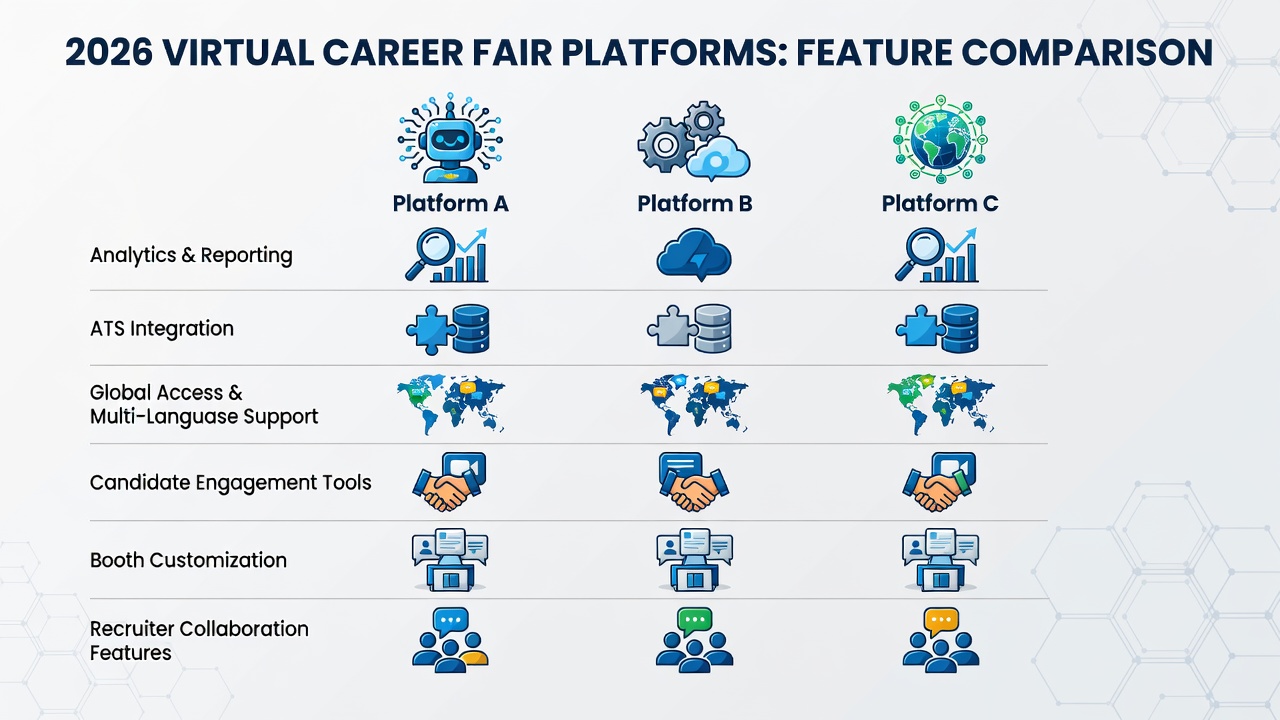
| Platform | Key Strength | Best For | Scalability |
|---|---|---|---|
| Platform A | Advanced analytics | Data-driven teams | High |
| Platform B | Easy ATS sync | High-volume recruiters | Medium |
| Platform C | Global time-zone support | International hiring | High |
Mistakes to Avoid When Running Virtual Career Fairs
Common pitfalls include underinvesting in promotion, resulting in low attendance, or failing to train staff on platform features, which leads to awkward live moments. Another frequent error is neglecting mobile optimization, causing many candidates to drop off. Always run a full technical rehearsal and prepare contingency plans for internet outages or platform glitches.
FAQ: Common Technical and Logistical Challenges
How do I handle technical glitches during the event? Have a dedicated support team on standby and provide attendees with a troubleshooting guide in advance. Record all sessions so participants can access content later if they experience issues.
What if attendance is lower than expected? Analyze promotion channels and consider offering on-demand access to recorded content to extend reach. Adjust future targeting based on registration sources that performed best.
Are virtual fairs suitable for senior-level roles? Yes, when positioned as exclusive networking opportunities with C-suite participation and focused breakout discussions on strategic topics.
How long should a virtual career fair last? Most successful events run 3-4 hours with multiple parallel sessions to maintain energy and accommodate different schedules.
Can I combine virtual fairs with other recruiting channels? Absolutely. Many companies use them alongside job boards, employee referrals, and social media campaigns for a multi-channel approach that maximizes visibility.
By following these strategies, HR teams can transform virtual career fairs into powerful, measurable recruiting engines in 2026 and beyond. The Society for Human Resource Management offers additional resources on evolving talent acquisition practices that complement these tactics.


No comments yet. Be the first!