 Jobboy

Introduction to Talent Acquisition Challenges
In today's competitive job market, talent acquisition is more than just filling vacancies—it's about building a workforce that drives innovation and growth. Leading companies have set benchmarks by implementing innovative strategies to attract, hire, and retain top talent. For small and mid-sized businesses (SMBs), these examples offer valuable insights without the need for massive budgets. This article dives into real-world case studies from industry giants, analyzes their approaches, and extracts practical lessons for SMBs to enhance their hiring processes.
Talent acquisition isn't one-size-fits-all. While large corporations can leverage extensive resources, SMBs can adapt scalable tactics to compete effectively. According to the Society for Human Resource Management (SHRM), effective talent strategies can reduce hiring time by up to 30%. Let's examine how some leading companies have navigated this landscape.
Case Study 1: Google's Data-Driven Hiring Revolution
Google, a tech behemoth, has long been admired for its rigorous yet innovative hiring practices. Facing rapid growth in the early 2000s, the company shifted from traditional resumes to a more holistic evaluation system. They introduced the 'Googleyness' factor, assessing cultural fit alongside technical skills through structured interviews and behavioral assessments.
One key strategy was their use of data analytics to refine recruitment. Google analyzed thousands of hires to identify predictors of success, leading to the elimination of brainteasers in interviews, which were found ineffective. Instead, they focused on work sample tests and peer reviews. This approach not only improved hire quality but also diversified their talent pool by reducing bias.
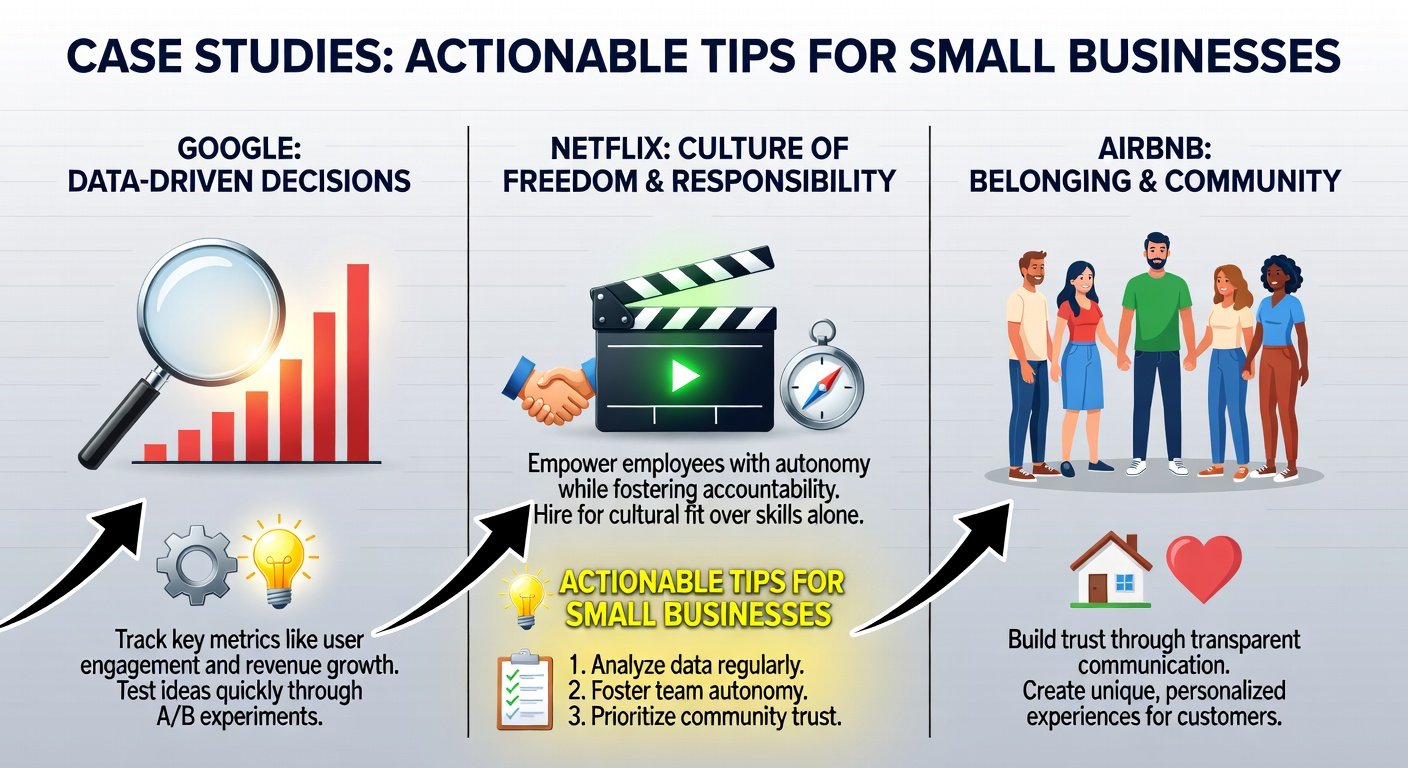
For SMBs, Google's emphasis on data doesn't require sophisticated tools. Start with simple applicant tracking systems (ATS) like those offered by free or low-cost platforms. Track metrics such as time-to-hire and source-of-hire to iteratively improve your process. By prioritizing cultural alignment, even small teams can build cohesive units that punch above their weight.
Case Study 2: Netflix's Culture-First Talent Strategy
Netflix disrupted the entertainment industry not just with content but with its bold HR policies. In their famous culture deck, Netflix outlined a 'freedom and responsibility' model, attracting candidates who thrive in high-performance environments. During talent acquisition, they emphasize transparency, sharing company values upfront to self-select applicants.
A pivotal strategy was their 'keeper test': Managers ask if they'd fight to keep an employee; if not, they part ways swiftly. This isn't about frequent firings but ensuring only top performers stay, which streamlines hiring by focusing on A-players. Netflix also uses employee referrals heavily, with 50% of hires coming from this channel, fostering trust and quality.
SMBs can implement similar tactics by crafting a clear company culture statement on their career pages. Encourage referrals with incentives like bonuses, which cost less than agency fees. Transparency in job descriptions—detailing expectations and perks—helps attract aligned candidates, reducing turnover. As Netflix shows, a strong culture can be your best recruiter.
Case Study 3: Airbnb's Inclusive and Creative Recruitment
Airbnb faced a talent crunch during its explosive growth phase post-2010. To build a diverse team, they launched creative campaigns like 'Ruby on Rails' hackathons and experiential interviews where candidates solve real business problems. This gamified approach not only identified skills but engaged passive talent.
Airbnb also partnered with diversity-focused organizations to broaden their sourcing. Their internal mobility program allows employees to switch roles, reducing external hiring needs. Post-hire, they invest in onboarding with 'belonging' workshops to integrate new talent seamlessly.
For SMBs, creativity in recruitment can level the playing field. Host virtual events or webinars related to your industry to showcase your brand. Collaborate with local universities or diversity networks for affordable sourcing. Airbnb's focus on inclusion reminds us that diverse teams drive innovation—start by auditing your job postings for inclusive language using free tools from SHRM.
Key Strategies Analyzed: What Makes Them Work
Across these cases, common threads emerge: data-informed decisions, cultural emphasis, and innovative sourcing. Google's analytics highlight the power of evidence over intuition, reducing costly mis-hires. Netflix's culture deck serves as a magnet for talent, while Airbnb's experiential methods make hiring memorable and effective.
These strategies succeed because they align with business goals. For instance, Google's process ensures long-term fit, correlating with higher retention rates. Netflix's model supports agility in a fast-changing market, and Airbnb's inclusivity fuels creativity essential for a hospitality-tech hybrid.
Challenges include scalability—large firms have HR teams, but SMBs can outsource or use AI tools for initial screening. A study from Harvard Business Review notes that companies adopting people analytics see 25% better outcomes in talent management.
Actionable Lessons for Small and Mid-Sized Businesses
SMBs don't need Google's budget to emulate these successes. Here's how to adapt:
- Leverage Technology Affordably: Use free ATS like Zoho Recruit or Google Forms for tracking. Analyze basic data to spot trends in your hiring.
- Build a Referral Program: Like Netflix, incentivize employees with spot bonuses. Referrals often yield 4x better retention.
- Define Your Culture Clearly: Create a one-page culture guide and feature it in job ads. This attracts self-motivated candidates.
- Innovate Sourcing: Follow Airbnb's lead with industry meetups or social media challenges. Platforms like can amplify reach without ads.
- Focus on Onboarding: Invest time in first-week integrations to boost engagement, mirroring Airbnb's approach.
Start small: Pick one strategy, measure results, and scale. For example, implementing a referral program could cut sourcing costs by 50%, per SHRM data.
Conclusion: Transforming Your Talent Acquisition
The talent acquisition landscape is evolving, but lessons from Google, Netflix, and Airbnb prove that strategic, people-centric approaches yield results. SMBs can thrive by adopting data, culture, and creativity into their hiring. By implementing these tactics, you'll not only fill roles faster but build a team poised for growth. Begin today—your next great hire could be the catalyst for your business's success.


No comments yet. Be the first!