 Jobboy

Introduction: Why Salary Negotiation Skills Matter More Than Ever in 2026
Recruiters operating in today's competitive talent markets must master salary negotiation to attract and secure top performers without inflating budgets unnecessarily. With talent shortages persisting across tech, healthcare, and finance sectors, improving offer acceptance rates while maintaining cost control has become a strategic priority. This guide delivers practical, step-by-step tactics tailored for 2026 realities, including preparing data-driven offers, interpreting candidate signals, and balancing compensation packages. Effective negotiation starts long before the offer stage. Recruiters who invest time in market research and candidate psychology consistently outperform those relying on gut instinct alone. Throughout this article, we draw on proven frameworks used by leading organizations to illustrate real-world applications and help you build repeatable processes that deliver consistent results.
Understanding the broader economic context is essential. In 2026, hybrid work models and global talent pools have intensified competition, making it critical to differentiate your offers through thoughtful negotiation rather than simply raising base pay. By focusing on total rewards and personalization, recruiters can create compelling packages that resonate with candidates' evolving priorities.
Preparing Data-Driven Offers That Win Candidates
Begin every negotiation with comprehensive compensation benchmarking. Pull recent salary ranges from authoritative sources such as the Bureau of Labor Statistics and industry reports. Combine this data with internal equity audits to ensure offers remain competitive yet sustainable. Key preparation steps include reviewing role-specific market medians for the candidate's location and experience level, factoring in total rewards value including benefits and equity, and building multiple offer scenarios before discussions begin. This data foundation prevents underbidding or overpaying and provides objective talking points when candidates push back.
Advanced preparation also involves scenario planning for different candidate profiles. For example, a mid-level software engineer might prioritize base salary while a senior leader values long-term incentives. Document these variables in a negotiation playbook shared with your hiring team to maintain consistency and compliance. Regularly updating your data sources ensures offers reflect the latest market dynamics rather than outdated assumptions.
Reading Candidate Signals During Negotiation
Successful recruiters listen actively for verbal and nonverbal cues. Enthusiasm about the role combined with hesitation on compensation often signals room for creative structuring rather than pure salary increases. Watch for phrases like "I need to discuss this with my family" or "How flexible is the total package?" Advanced techniques involve asking open-ended questions such as "What would an ideal compensation structure look like for you?" to uncover priorities beyond base pay. Document these signals in your ATS for future reference and team alignment.
Body language in video calls can reveal hesitation or excitement, so pay attention to tone, pauses, and follow-up questions. Training your team to recognize these signals through role-playing exercises builds collective expertise and reduces miscommunication. Over time, pattern recognition helps predict which candidates are likely to accept standard offers versus those needing tailored adjustments.
Balancing Non-Salary Perks to Close Deals
Many candidates in 2026 prioritize flexibility, professional development, and wellness benefits over marginal salary bumps. Common high-impact perks include remote work stipends, learning budgets, and accelerated PTO accrual. Consider this comparison of approaches:
| Approach | Pros | Cons |
|---|---|---|
| Salary-Only Focus | Simple to communicate | Higher cost, lower retention |
| Hybrid Package | Cost-effective, personalized | Requires more explanation |
| Equity-Heavy Offer | Aligns long-term goals | Risk perception for candidates |
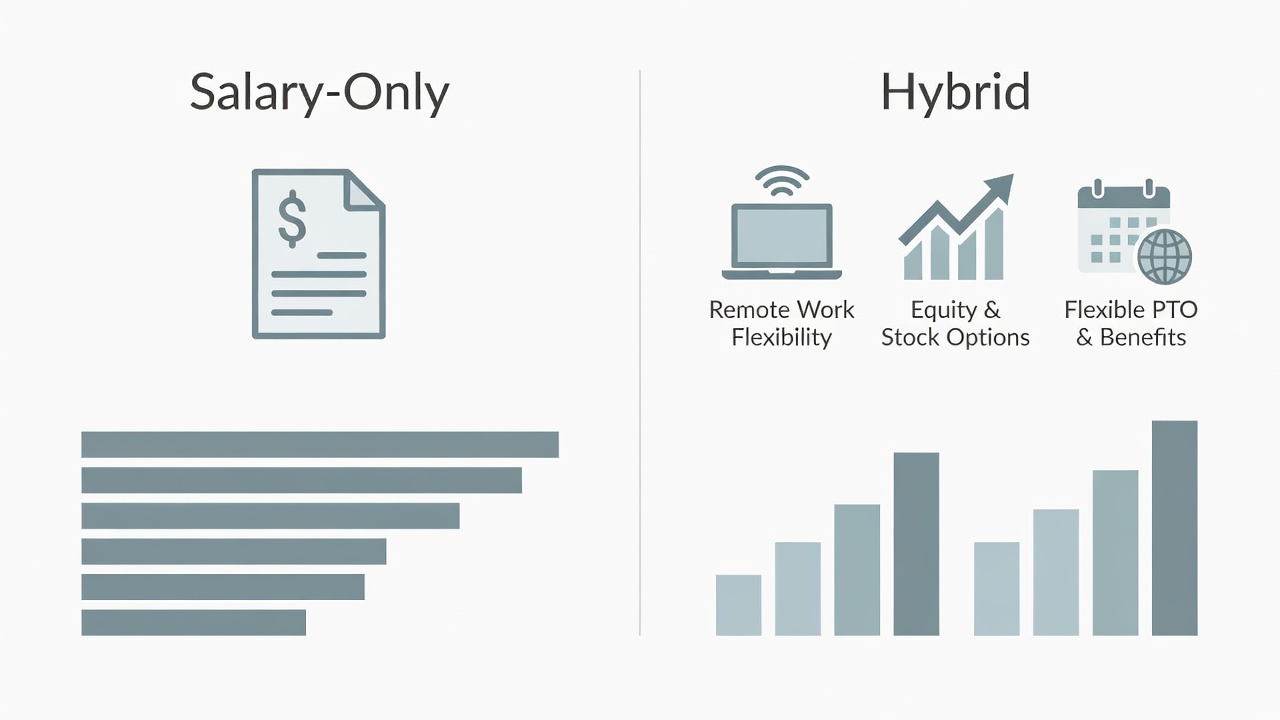
Real company examples show that organizations offering customizable perk menus achieve higher acceptance rates while controlling fixed costs. For instance, tech firms have successfully used phased equity vesting combined with wellness stipends to attract candidates who value work-life balance. Experiment with perk bundles that align with candidate feedback gathered during earlier interview stages.
Step-by-Step Negotiation Scripts for Recruiters
Use these tested scripts as templates and adapt them to your voice and company culture. Start with an opening that sets a collaborative tone, then move into exploring options before closing with a clear call to action. The following expanded scripts include context for when to deploy each variation:
- Opening the Conversation: "Based on your experience and our market research, we're prepared to offer a total compensation package of X. How does this align with your expectations?" This script works best after sharing the full breakdown of base, bonus, and benefits to frame the discussion around value rather than a single number.
- Handling Pushback: "I understand salary is important. Let's explore how we can adjust the equity component or add a signing bonus to meet your goals." Use this when candidates focus solely on base pay; it redirects attention to creative levers while demonstrating flexibility.
- Closing Strong: "I'm confident this package reflects both market value and your unique contributions. Shall we move forward?" Follow up with a timeline for decision-making to maintain momentum and reduce ghosting risks.
Practice delivering these scripts naturally and prepare follow-up questions that invite dialogue rather than confrontation.
Tools and Resources for Compensation Analysis
Leverage modern tools to streamline data gathering. Integrate compensation platforms with your ATS to generate real-time benchmarks. Cross-reference findings with resources from the Department of Labor for regulatory compliance. Building a living compensation database updated quarterly helps your team respond quickly to market shifts and candidate inquiries.
Common Mistakes Recruiters Make and How to Avoid Them
One frequent error is anchoring too early on a single number without exploring total rewards. Another is failing to document every conversation, which can lead to compliance issues. Avoid rushing the process by setting clear timelines and involving stakeholders early. Review past negotiations quarterly to identify patterns and refine your approach continuously.
Legal Considerations and Common Objections in FAQ Format
How do pay transparency laws affect negotiations?
Many jurisdictions now require salary ranges in postings. Always disclose ranges early and document all discussions to maintain compliance. Consult the Equal Employment Opportunity Commission guidelines for additional clarity on fair practices.
What if a candidate demands a figure above budget?
Redirect to total rewards value and propose phased increases or performance bonuses tied to clear milestones. This keeps conversations productive while protecting budget integrity.
Are there risks in discussing equity?
Consult legal teams before making equity promises. Reference official guidance from bodies like the Society for Human Resource Management for best practices on disclosure and vesting terms.
Measuring Success and Continuous Improvement
Track key metrics such as offer acceptance rate, time-to-fill, and candidate satisfaction scores. Use these insights to adjust negotiation strategies quarterly. Sharing anonymized success stories across your recruiting team fosters a culture of continuous learning and elevates overall performance.
Conclusion: Building a Negotiation Mindset for Long-Term Success
Mastering salary negotiation in 2026 requires preparation, empathy, and creativity. By combining data insights with flexible perk strategies and polished scripts, recruiters can secure top talent efficiently. Implement these tactics consistently, track acceptance metrics, and refine your approach based on outcomes. The result is stronger hiring pipelines and sustainable team growth that positions your organization as an employer of choice.


No comments yet. Be the first!