 Jobboy
Introduction
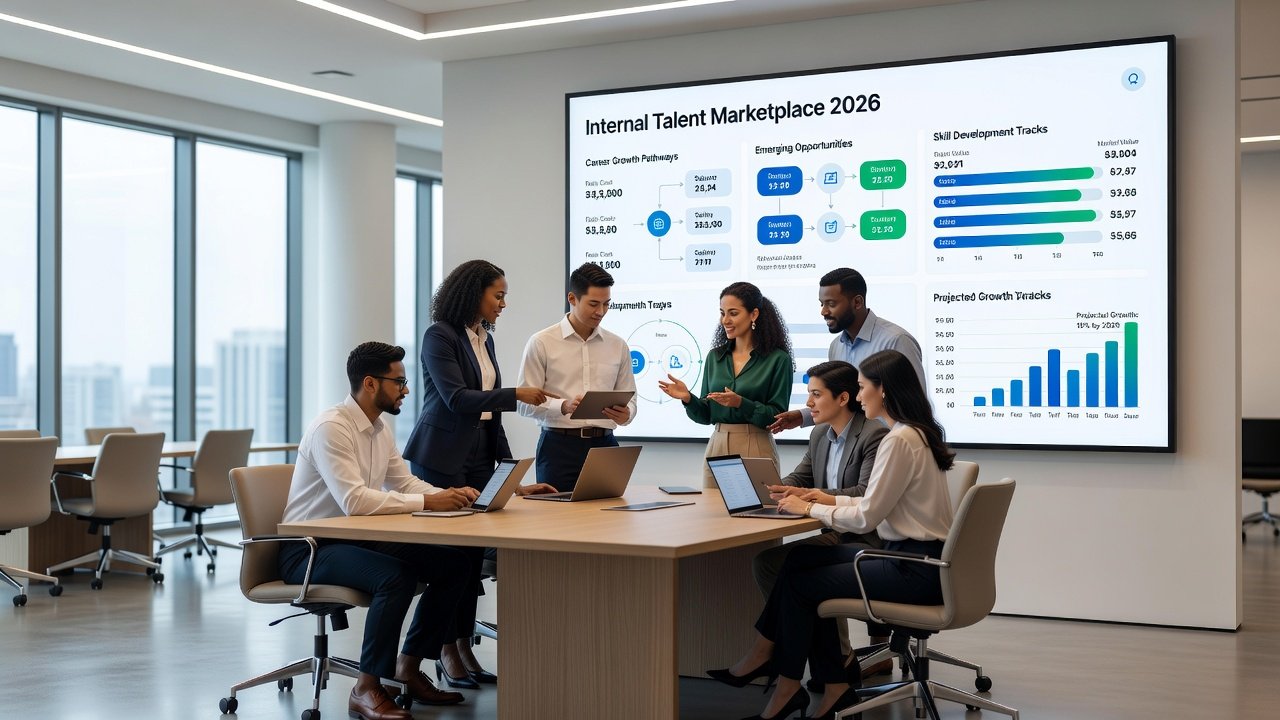
In 2026, forward-thinking organizations are turning to internal talent marketplaces to transform how they manage talent. These platforms enable employees to explore opportunities within the company, fostering mobility while helping HR reduce turnover rates. By leveraging existing ATS and HRIS systems, companies can create seamless experiences that align employee skills with business needs. Internal talent marketplaces represent a strategic evolution from traditional career development programs, offering real-time visibility into roles, projects, and skill-building opportunities that keep top performers engaged and committed to the organization.
Research from leading HR bodies shows that companies with strong internal mobility programs experience significantly lower voluntary turnover. This article provides a comprehensive guide for HR teams, covering everything from initial assessment of current technology stacks to scaling strategies, integration best practices, measurable outcomes, and forward-looking trends such as AI-driven recommendations and mobile-first interfaces. Whether you work at a mid-size firm with 500 employees or a growing enterprise, these insights will help you build a marketplace that delivers tangible retention results.
What Are Internal Talent Marketplaces?
An internal talent marketplace functions as a digital hub where employees can view open roles, projects, and development opportunities. Unlike traditional job boards, these systems match individuals based on skills, performance data, and career aspirations. They support both full-time moves and short-term gigs, promoting agility in mid-size companies. The marketplace acts as a centralized platform that surfaces hidden opportunities, allowing employees to express interest in lateral moves, promotions, or cross-functional projects without waiting for annual review cycles.
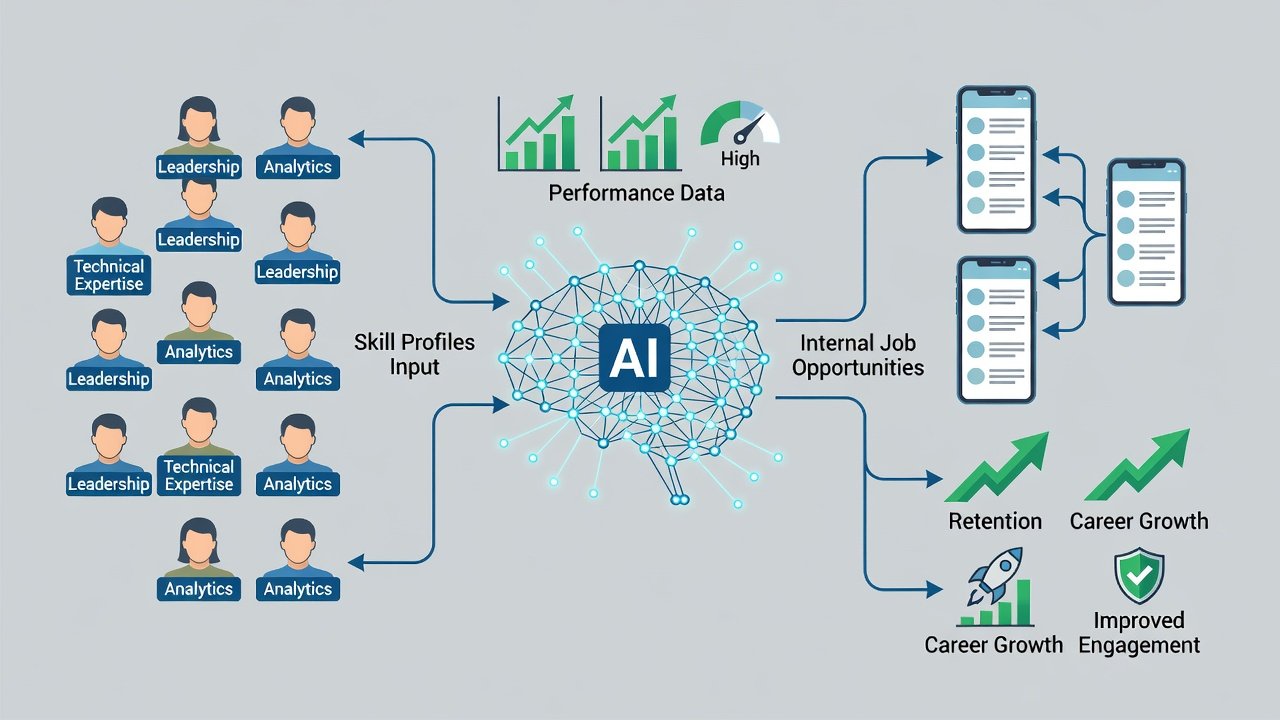
At its core, the technology creates a skills-based ecosystem. Employees maintain profiles that highlight competencies, certifications, and interests, while managers post opportunities with required skill sets. Advanced platforms then use algorithms to suggest matches, reducing the friction that often prevents internal movement. This approach shifts HR from reactive hiring to proactive talent optimization.
Key Benefits for Retention and Mobility
Organizations adopting these marketplaces often see improved internal fill rates and higher engagement. Employees gain visibility into growth paths, which directly combats voluntary turnover. HR teams benefit from data-driven insights that reduce external hiring costs and time-to-productivity. Additional advantages include increased diversity in role assignments, better alignment between individual career goals and organizational needs, and enhanced employer brand as a place that invests in its people.
Studies consistently link robust internal mobility to improved business outcomes. Teams that encourage movement report stronger collaboration across departments and higher innovation rates because employees bring fresh perspectives to new roles. In 2026, with labor markets remaining competitive, these benefits translate directly into competitive advantage.
Practical Steps to Launch and Scale
Launching an internal talent marketplace requires careful planning. Begin by assessing your current ATS and HRIS capabilities for marketplace integration features. Many modern systems already include talent marketplace modules or APIs that connect seamlessly with performance management tools.
- Conduct a technology audit to identify integration points and data gaps.
- Define eligibility criteria, such as minimum tenure or performance thresholds, and establish clear governance policies around manager approvals.
- Start with a pilot program in one department to test user experience and refine matching logic before expanding.
- Develop comprehensive training for managers so they understand how to coach employees on internal opportunities rather than viewing mobility as a threat.
- Roll out company-wide with targeted communications, then iterate based on adoption analytics and employee feedback surveys.
Each phase should include stakeholder input from IT, legal, and business unit leaders to ensure alignment and minimize resistance.
Integrating with Performance Data
Successful marketplaces pull real-time performance reviews, skills assessments, and goal data from HRIS platforms. This creates accurate matching algorithms that recommend roles aligned with an employee’s strengths and development areas. Integration typically involves mapping competency frameworks between systems so that past achievements automatically inform future suggestions. For example, an employee rated highly in project management can receive targeted recommendations for cross-functional leadership gigs.
Regular data synchronization ensures recommendations remain current. HR should schedule quarterly reviews of integration accuracy and adjust weighting factors for skills versus tenure or location preferences. This level of personalization increases user trust and platform engagement over time.
Success Metrics to Track
Monitor internal fill rates, time-to-fill for internal roles, employee satisfaction scores, and retention percentages among active marketplace users. Companies targeting 2026 goals often aim for internal fill rates above 60% within the first year of launch. Additional key performance indicators include the percentage of employees updating profiles monthly, average number of opportunities viewed per user, and manager satisfaction with the quality of internal candidates.
Establish a dashboard that pulls data directly from your ATS and HRIS. Review metrics monthly during the first six months, then quarterly. Compare pre- and post-implementation turnover rates within pilot groups to quantify impact. SHRM provides templates for calculating internal mobility ROI that many organizations adapt for their reporting.
Real-World Examples from Mid-Size Companies
A 1,200-employee manufacturing firm implemented a marketplace integrated with its existing Workday HRIS, achieving a 35% increase in internal mobility within six months. The company began by mapping core competencies across production and engineering teams, then used the platform to surface temporary project assignments that later converted into permanent role changes. Similarly, a 800-person tech services company used its ATS to surface gig opportunities, reducing turnover by 22% among mid-level staff over nine months. Employees reported higher engagement because they could explore marketing or client strategy work without leaving the organization.
Another example comes from a regional healthcare provider with 650 employees. By connecting performance data to the marketplace, the organization filled 48% of open nursing leadership positions internally within the first year, compared to just 19% the prior year. These cases demonstrate that even modest investments in existing technology can yield substantial retention improvements when paired with clear processes and leadership support.
Comparing Marketplace Platforms
Leading solutions vary in AI sophistication and mobile usability. Some emphasize seamless ATS syncing, while others focus on skills ontology and project-based work. Evaluate based on your tech stack compatibility and reporting needs rather than features alone. Popular options often include modules within established HRIS providers as well as standalone platforms that specialize in internal mobility. Consider factors such as ease of profile creation, quality of AI recommendations, and availability of analytics dashboards when making comparisons.
Request demos that showcase integration with your specific ATS and test mobile responsiveness with a sample of field-based employees. The best platforms balance powerful matching with intuitive interfaces that encourage daily use.
Common Pitfalls to Avoid
- Launching without clear manager buy-in, leading to resistance and shadow processes where leaders hide high performers.
- Overlooking data privacy and compliance requirements, which can expose the organization to legal risk under employment laws.
- Failing to promote the platform consistently, resulting in low adoption and wasted investment.
- Ignoring mobile optimization, which limits access for field employees and remote workers who represent growing segments of the workforce.
- Setting unrealistic expectations around speed of results; meaningful cultural change typically requires six to twelve months of sustained effort.
2026 Trends: AI Matching and Mobile-First Experiences
Artificial intelligence continues to refine matching accuracy by analyzing nuanced skills and career trajectory data. Natural language processing now interprets free-text resume entries and performance notes to suggest opportunities that traditional keyword searches would miss. Mobile-first designs ensure employees can browse opportunities from any device, aligning with hybrid work expectations. Harvard Business Review notes that organizations prioritizing mobile experiences see higher participation rates among younger workers.
Additional 2026 trends include greater emphasis on skills-based matching over job titles and integration with learning platforms so employees can quickly close skill gaps identified during marketplace exploration. These capabilities position internal talent marketplaces as central components of continuous career development rather than isolated recruitment tools.
FAQs on Legal and Cultural Considerations
How do internal marketplaces handle legal compliance?
They must adhere to equal employment opportunity laws and maintain transparent selection processes. Consult legal teams early to address potential bias in algorithms and ensure documentation supports fair decision-making. Regular audits of matching outcomes by demographic groups help identify and correct disparities.
What cultural shifts are required?
Success depends on shifting from hoarding talent to celebrating mobility. Leadership must model support for internal moves to build trust. Managers need training on how to have career conversations that encourage exploration rather than discourage it.
Are there risks of creating internal competition or favoritism?
Transparent criteria and published policies reduce perceptions of favoritism. Clear guidelines around application processes and feedback help maintain fairness across departments.
Conclusion
Internal talent marketplaces offer a powerful way to drive mobility and cut turnover in 2026. By starting with existing tools, focusing on integration, and embracing AI and mobile trends, HR teams can deliver meaningful career growth while strengthening retention. Begin with a pilot, measure results rigorously, and scale what works. Organizations that invest thoughtfully in these platforms position themselves as employers of choice in a competitive talent landscape.

No comments yet. Be the first!