 Jobboy

Introduction: Why Internal Talent Marketplaces Matter in 2026
In today's competitive landscape, retaining top talent requires more than competitive salaries. Internal talent marketplaces empower employees to explore opportunities within their organization, fostering mobility and reducing turnover. This 2026 retention playbook outlines how HR teams can build these platforms to align with business goals while enhancing engagement. Organizations that invest in internal mobility see measurable improvements in loyalty and productivity as employees feel valued through visible career pathways.
By 2026, organizations prioritizing internal mobility report stronger retention rates. These marketplaces act as digital hubs connecting employees with projects, roles, and mentors, creating a culture of growth. They address the common pain point of talent leaving because they cannot see advancement opportunities internally. With hybrid work models persisting, such platforms also help maintain connection across distributed teams.
Designing an Effective Internal Talent Marketplace
Successful design starts with understanding employee needs and business objectives. Begin by mapping current skills gaps and career aspirations through surveys and data analysis. Involve cross-functional teams to ensure the platform supports diverse career paths. Incorporate feedback from employees at all levels to avoid top-down assumptions that fail to resonate.
Key Design Principles
- User-centric interface with intuitive search and matching algorithms
- Integration of AI for personalized recommendations based on skills, interests, and past performance
- Transparency in job postings and eligibility criteria to build trust
- Support for gig-style projects alongside full-time roles for flexible development
- Accessibility features ensuring equitable access for all employees regardless of location or ability
Real-world examples from mid-sized companies like a 500-employee tech firm in Austin show how a marketplace increased internal moves by 35% within the first year. The design emphasized mobile-first access, allowing field engineers to browse opportunities during downtime.
Practical Steps for Platform Selection
Selecting the right platform involves evaluating features, scalability, and vendor support. Start with a needs assessment that includes stakeholder interviews and current system audits. Then shortlist options that offer robust analytics and mobile access. Test for ease of integration with existing tools like Workday or BambooHR through demo environments.
Consider factors such as customization options, security compliance, and user adoption rates. Pilot the platform with a small department before full rollout to gather usability data. Document requirements around reporting, notification systems, and manager dashboards. Request case studies from vendors focused on organizations of similar size and industry.
Integration with Existing HR Systems
Seamless integration ensures data flows smoothly between the marketplace and core HRIS. Use APIs to sync employee profiles, performance data, and learning records. This reduces manual entry and maintains accuracy across systems. Work closely with IT to map data fields and establish secure connections that comply with privacy standards.
Partner with IT early to address compatibility issues. For instance, linking to learning management systems allows automatic skill updates based on completed courses. Test integrations thoroughly in staging environments to prevent disruptions during peak periods like annual reviews. Include single sign-on capabilities to improve adoption.
Measuring Success Through Mobility Metrics
Track key performance indicators to evaluate impact. Common metrics include internal application rates, time-to-fill for internal roles, and employee satisfaction scores post-move. Additional measures such as retention rates for marketplace participants versus non-participants provide deeper insight into effectiveness.
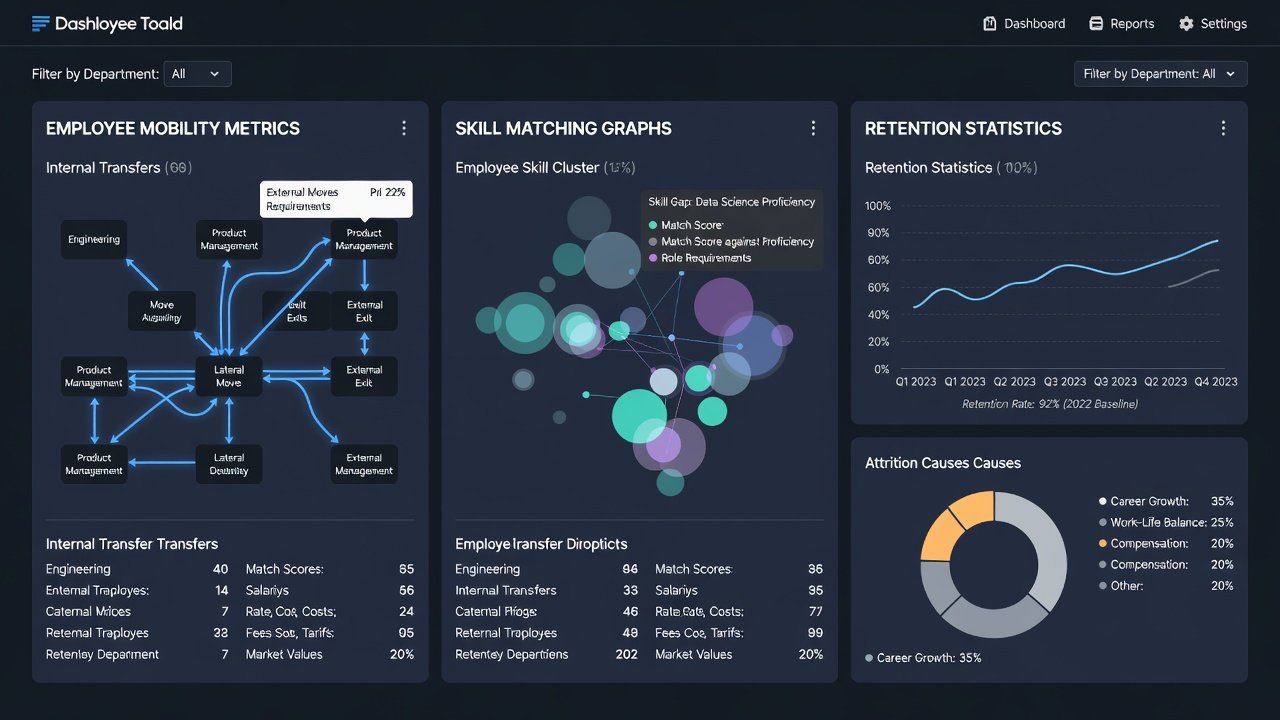
Establish dashboards for real-time monitoring. Mid-sized manufacturers have used these insights to refine programs, leading to higher engagement. Set baseline measurements before launch and review quarterly. Share results with leadership to maintain support and adjust tactics based on trends.
Real-World Examples from Mid-Sized Companies
A healthcare provider with 800 employees implemented an internal marketplace that reduced external hiring costs. Employees accessed cross-departmental projects, boosting retention by aligning roles with personal development goals. The program included mentorship matching, resulting in faster skill acquisition for clinical staff.
Another example comes from a retail chain that used the platform for seasonal skill-sharing, enhancing team collaboration and loyalty. Store managers posted temporary leadership opportunities that allowed high-potential associates to gain experience without relocating. These examples illustrate how tailored features drive participation.
Common Pitfalls to Avoid
Many initiatives fail due to poor change management or lack of leadership buy-in. Avoid overcomplicating the interface or neglecting training. Ensure equitable access to prevent bias in matching algorithms. Additional pitfalls include failing to communicate benefits clearly and underestimating the need for ongoing promotion.
Regular feedback loops help identify issues early, such as low visibility for certain roles. Address manager resistance by providing tools that highlight team development benefits. Monitor for shadow processes where employees bypass the system, which can undermine data quality.
Build vs. Buy: A Clear Comparison
Building internally offers full customization but requires significant resources and time. It suits organizations with strong in-house development teams and unique requirements. Buying a ready solution accelerates deployment with proven features, though it may limit tailoring to specific workflows.
Evaluate based on budget, timeline, and technical expertise. Many mid-sized firms opt for hybrid approaches, starting with purchased software and adding custom modules later. Compare total cost of ownership, including maintenance and training, before deciding. Review vendor roadmaps to ensure future scalability.
Alignment with Business Goals and Employee Engagement Tactics
Link the marketplace to strategic objectives like innovation and agility. Use gamification and recognition features to drive participation. Encourage managers to promote internal opportunities during performance reviews. Tie marketplace usage to broader talent strategies such as succession planning.
This alignment strengthens organizational culture and supports long-term retention strategies. Authoritative resources such as SHRM provide frameworks for tying talent initiatives to business outcomes. Additional guidance on workforce policies can be found at DOL. Tactics like spotlighting success stories in company newsletters and offering micro-credentials for completed internal projects further boost engagement.
Conclusion
Internal talent marketplaces represent a powerful 2026 retention tool when executed thoughtfully. By focusing on design, integration, and measurement, HR teams can create environments where employees thrive and stay. Continuous evaluation ensures the platform evolves with organizational needs.
FAQ: Compliance and Change Management
How do we ensure compliance with labor laws?
Consult legal experts to address data privacy and equal opportunity requirements. Platforms should include audit trails and bias-detection tools. Regular compliance audits help maintain adherence as regulations evolve.
What change management steps are essential?
Communicate benefits clearly, provide training, and secure executive sponsorship. Pilot programs and success stories help build momentum. Create a cross-functional steering committee to guide rollout and address concerns promptly.
Can small teams benefit from these marketplaces?
Yes, even mid-sized organizations see value through scalable solutions that grow with the company. Start with core features and expand based on usage patterns.
How should we handle data privacy concerns?
Implement role-based access controls and obtain explicit employee consent for profile visibility. Partner with vendors who offer strong encryption and comply with standards like GDPR or CCPA where applicable.

No comments yet. Be the first!