 Jobboy
Introduction to Gamification in Recruiting
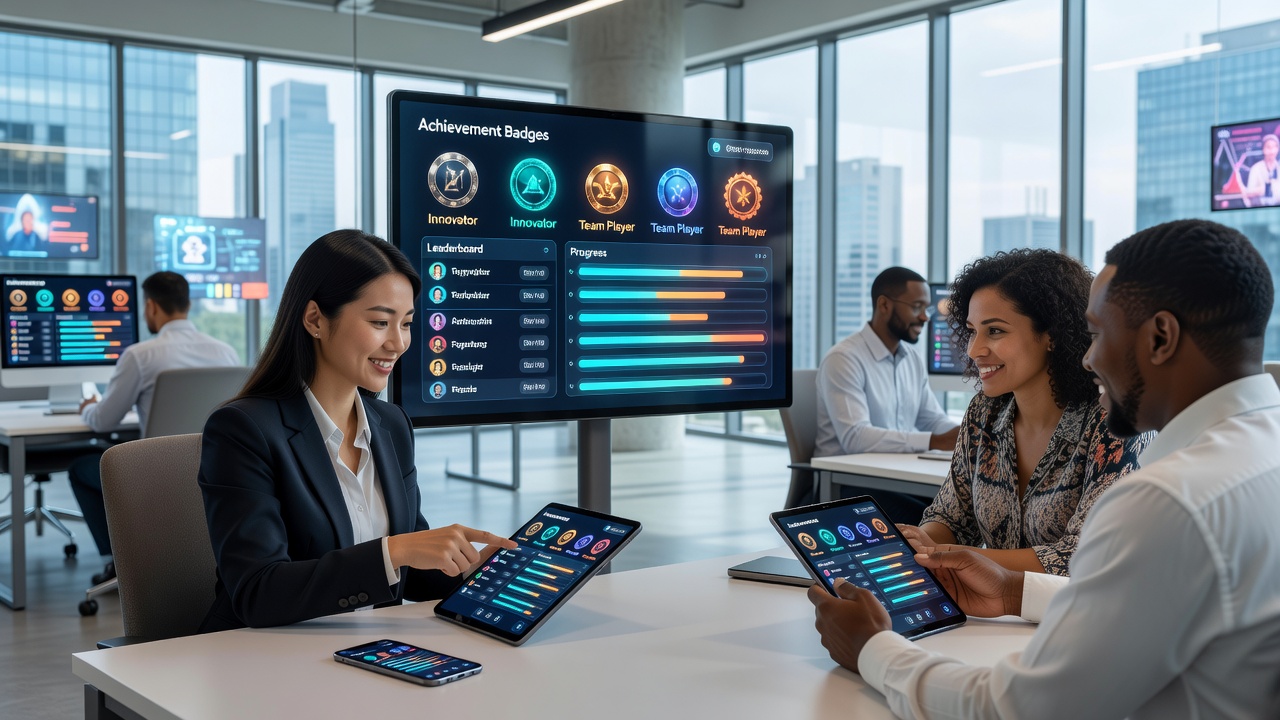
In 2026, recruiters face increasing competition for top talent, making it essential to create engaging hiring experiences that stand out. Gamification in recruiting applies game-like elements such as points, badges, leaderboards, challenges, progress bars, and virtual rewards to the hiring process. This approach transforms passive applications into interactive journeys that boost motivation, completion rates, and overall candidate satisfaction. Organizations across industries are adopting these techniques to differentiate themselves in a crowded talent market where candidates have more choices than ever before.
Unlike traditional methods that rely on static forms, lengthy questionnaires, and one-sided interviews, gamification fosters active participation from the very first touchpoint. HR teams can leverage it to attract a wider pool of candidates while gathering richer behavioral data on skills, problem-solving abilities, and cultural fit. The result is a more dynamic and human-centered recruitment funnel that feels less like a bureaucratic hurdle and more like an opportunity for candidates to showcase their strengths in creative ways.
Why Gamification Matters for Candidate Engagement
Candidates today expect seamless, modern digital experiences similar to those they encounter in entertainment, education, and social platforms. By incorporating gamified elements, organizations consistently see higher application completion rates and improved quality of applicants who are genuinely interested in the role. This method aligns particularly well with how younger generations interact with technology, turning recruitment into an enjoyable process rather than a chore that leads to high abandonment rates.
Research from authoritative sources like SHRM highlights that interactive hiring tools can significantly reduce drop-off rates during applications. Gamification also helps companies strengthen their employer brand as candidates share their positive experiences on social platforms, creating organic word-of-mouth promotion. Furthermore, it provides recruiters with deeper insights into soft skills that traditional resumes often fail to reveal, such as resilience, creativity under pressure, and teamwork orientation.
Popular Gamification Tools for HR Teams
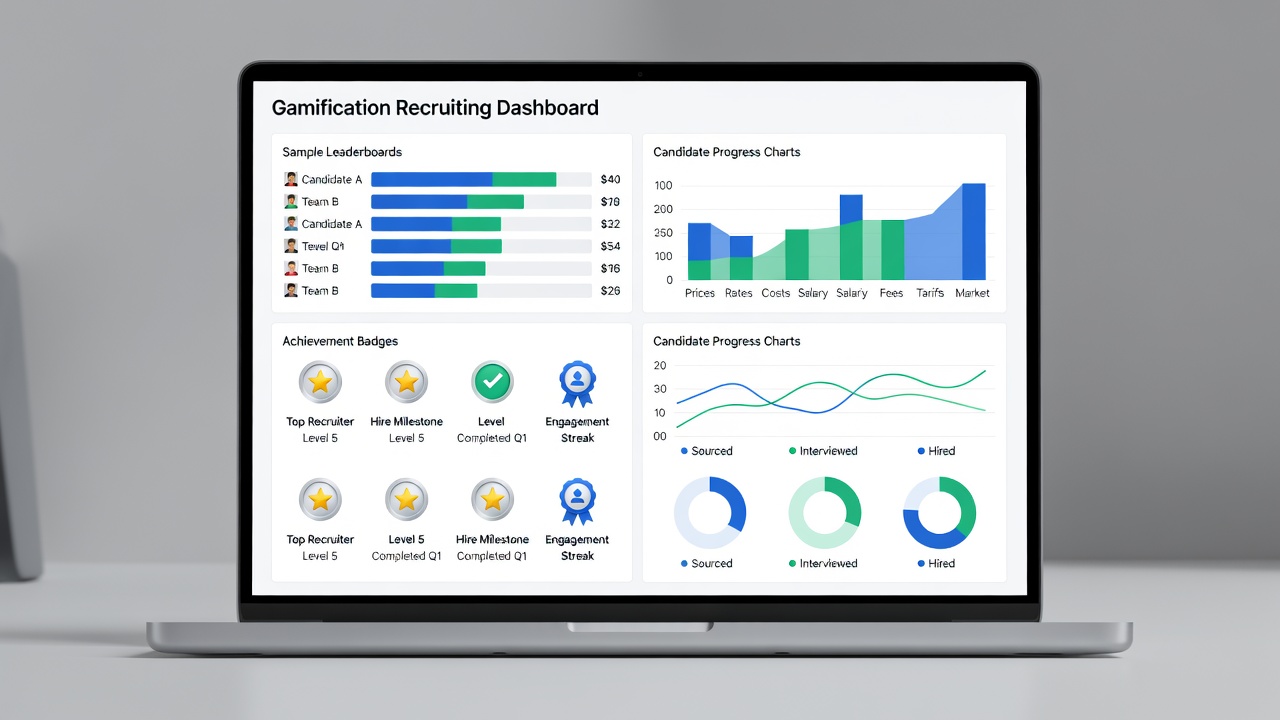
Several established platforms support gamified recruiting without requiring extensive custom development or coding expertise. Tools like Pymetrics use neuroscience-based games to assess candidate traits such as emotional intelligence and risk tolerance through short, engaging exercises. HackerRank offers coding challenges presented as timed competitions where participants earn points and climb leaderboards, making technical assessments feel more like a game than a test.
Other options include platforms that integrate real-time leaderboards for soft-skill assessments or virtual reality simulations for role-specific tasks like customer negotiations or equipment handling. When selecting a tool, consider ease of integration with existing applicant tracking systems, mobile responsiveness, and the ability to customize challenges to your specific industry and job functions. Always prioritize data privacy compliance and accessibility features to maintain candidate trust and meet legal standards across different regions.
Step-by-Step Rollout Strategy
Implementing gamification requires careful planning to avoid common implementation failures. Follow these detailed steps for a successful launch:
- Define clear objectives aligned with business outcomes, such as increasing application volume by a target percentage, improving candidate assessment accuracy, or reducing time-to-hire.
- Identify target candidate personas through existing data analysis and map game elements directly to their motivations, whether that involves achievement, competition, or exploration.
- Choose and thoroughly test a platform with a small pilot group of internal stakeholders and recent hires to identify usability issues before wider rollout.
- Design challenges that accurately reflect real job requirements while remaining fun, accessible, and free from unnecessary complexity that could discourage participation.
- Launch with clear, transparent communication to candidates about how the process works, what data is collected, and how results influence hiring decisions.
- Monitor engagement metrics continuously and gather qualitative feedback through post-process surveys for iterative improvements over time.
This structured approach minimizes risks, ensures alignment with organizational goals, and creates a repeatable framework that can scale across multiple departments or geographies.
Real-World Examples Across Industries
In the tech sector, companies have used coding tournaments and puzzle-based challenges to identify skilled developers quickly, leading to faster hiring cycles and higher acceptance rates among top performers. Retail organizations apply gamified customer service simulations that mimic real store scenarios to evaluate interpersonal skills and decision-making, resulting in hires who perform better on the job from day one.
Healthcare recruiters have implemented scenario-based games to test clinical decision-making under pressure, improving retention rates among new staff by ensuring better role alignment from the start. Manufacturing firms use virtual assembly line challenges to screen for technical aptitude and safety awareness, dramatically reducing time-to-hire compared to traditional multi-stage interview processes. These examples demonstrate the versatility of gamification across sectors when it is tailored thoughtfully to specific role demands and company culture.
Benefits Compared to Traditional Recruiting Methods
Traditional recruiting often involves one-way applications and generic interviews that fail to engage candidates fully or provide meaningful differentiation between applicants. Gamification, by contrast, provides immediate feedback, a sense of progress, and elements of achievement that increase completion rates and create positive brand perception even among candidates who are not ultimately selected.
Key advantages include richer behavioral insights that go beyond self-reported information, higher diversity in applicant pools because game mechanics reduce reliance on polished resumes, and reduced unconscious bias through standardized game-based metrics. Organizations also report improved employer branding as candidates share their positive experiences. When compared side-by-side, gamified processes consistently outperform static forms in engagement metrics, candidate satisfaction scores, and downstream employee performance indicators.
Measuring Success and Avoiding Common Pitfalls
Track meaningful metrics such as application completion percentage, average time spent on challenges, candidate satisfaction ratings, and correlations between game performance and post-hire productivity. Avoid overly complex games that frustrate users or challenges that feel unrelated to actual job skills, as these can damage employer reputation.
Regular audits for fairness, inclusivity, and accessibility are essential to ensure all candidates, including those with different abilities or varying levels of technology access, have equal opportunity to succeed. Another frequent pitfall is neglecting to communicate clearly about how game results are used, which can lead to mistrust or legal concerns.
Best Practices and Future Outlook for 2026
Successful implementations often combine multiple game mechanics rather than relying on a single feature. Providing optional tutorials, offering multiple difficulty levels, and allowing candidates to replay challenges in some cases can further boost participation. Looking ahead, integration with emerging technologies like augmented reality and more sophisticated analytics will likely make gamified recruiting even more immersive and data-rich in the coming years.
Frequently Asked Questions
Does gamification replace human interviews?
No, it supplements them by providing data-driven insights that inform deeper, more targeted conversations during later stages of the hiring process, allowing recruiters to focus time on the most promising candidates.
Is gamification suitable for all job levels?
Yes, when adapted appropriately. Entry-level roles benefit from skill-building challenges and basic simulations, while senior or leadership positions can incorporate strategic decision-making games and complex scenario planning exercises.
How do you ensure data privacy and compliance?
Partner only with platforms that meet global standards such as GDPR and CCPA, and clearly communicate data usage policies to candidates upfront in plain language that builds trust.
What if candidates are not tech-savvy or prefer traditional methods?
Offer alternative assessment paths alongside gamified options and ensure intuitive interfaces with built-in tutorials, practice rounds, and accessibility accommodations to maintain true inclusivity for all applicants.
Conclusion
Gamification represents a powerful evolution in recruiting practices for 2026 and beyond. By focusing on meaningful engagement through thoughtful design and continuous refinement, HR teams can attract higher-quality candidates, improve process efficiency, and build stronger employer brands. Start with small pilot programs, measure results rigorously, and scale successful elements to maximize long-term impact across your organization.


No comments yet. Be the first!