 Jobboy

Introduction
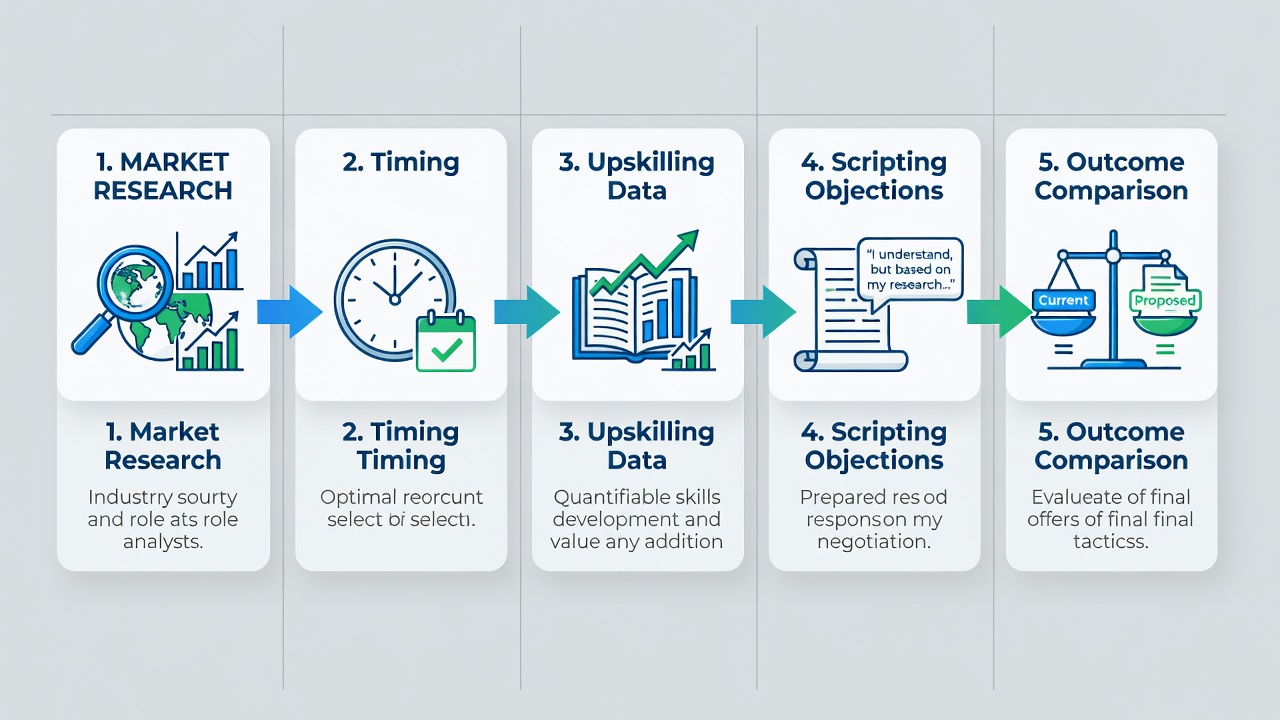
Salary negotiation remains one of the most powerful yet underutilized tools for mid-career professionals seeking meaningful advancement. In 2026, as economic conditions evolve and competition for skilled talent intensifies, mastering these tactics can directly influence long-term earnings, job satisfaction, and professional trajectory. This guide delivers a complete, step-by-step process tailored to search intent around practical career advice, covering market research, optimal timing, data-driven arguments from upskilling, objection handling scripts, industry examples, and outcome comparisons. Mid-career professionals often find themselves at a crossroads where experience meets opportunity, making negotiation a pivotal skill for unlocking higher compensation and accelerated promotions. By approaching these conversations with preparation and confidence, individuals can transform routine reviews or job transitions into strategic career milestones that compound over time.
Why Salary Negotiation Matters for Career Growth
Effective negotiation is not merely about securing a higher paycheck; it accelerates promotions, builds confidence, and establishes stronger professional positioning. Mid-career professionals who negotiate successfully often experience compounded benefits over time, including faster progression into leadership roles and improved work-life balance through better compensation packages. Beyond immediate financial gains, successful negotiations signal self-advocacy that employers respect, leading to greater visibility for future opportunities. Research consistently shows that professionals who regularly engage in these discussions report higher job satisfaction and lower turnover rates, as they feel valued and aligned with organizational goals.
Step 1: Conducting Thorough Market Research
Begin every negotiation with solid data. Use government resources such as the Bureau of Labor Statistics to benchmark salaries by role, experience level, and location. Supplement this with industry reports and salary aggregators while cross-referencing recent trends. Document your findings in a clear spreadsheet that includes base pay ranges, bonus structures, and total compensation benchmarks. This preparation transforms subjective requests into objective, evidence-based discussions. Expand your research by analyzing competitor job postings, networking with peers in similar roles through professional associations, and reviewing annual industry salary surveys. Consider geographic adjustments if remote work is involved, and factor in cost-of-living changes. Thorough preparation also involves identifying non-salary elements like flexible hours, professional development budgets, or equity options that can enhance overall value.
Step 2: Identifying the Right Timing
Timing dramatically affects outcomes. Ideal windows include performance review cycles, immediately after delivering major project wins, during job offer stages, or when the company announces strong financial results. Avoid periods of organizational restructuring or budget freezes. Schedule conversations proactively rather than waiting for the employer to initiate, and always request meetings in writing to create a formal record. Additional considerations include aligning discussions with fiscal year starts or after successful quarterly results. Prepare by monitoring company announcements and economic indicators that signal favorable conditions. Professionals who time their requests strategically often see smoother approvals because decision-makers are already focused on retention and performance incentives.
Step 3: Leveraging Data on Upskilling Achievements
Highlight recent certifications, completed courses, or new technical skills acquired within the past 12–18 months. Quantify their impact—such as improved team efficiency or revenue contributions—to strengthen your case. Connect these achievements directly to business value, showing how your enhanced capabilities justify elevated compensation. Create a portfolio of evidence including project outcomes, before-and-after metrics, and testimonials from colleagues or clients. This approach demonstrates continuous improvement and positions you as an indispensable asset rather than simply requesting more pay.
Preparing Your Value Proposition
Before entering any discussion, craft a concise value proposition that ties your contributions to organizational success. List three to five key accomplishments with measurable results, then link them to future goals. Practice delivering this narrative in under two minutes to maintain focus during meetings. Incorporate feedback from mentors or trusted colleagues to refine your messaging and anticipate questions.
Scripting Responses to Common Objections
Prepare concise, professional replies to typical pushback. For “We don’t have budget,” respond with: “I understand budget constraints exist. Could we explore a phased increase or performance-tied bonus structure over the next six months?” When facing “Let’s revisit this later,” counter with: “I appreciate the consideration. Can we set a specific follow-up date to review this based on my upcoming deliverables?” Practice these scripts aloud to maintain composure during live discussions. Additional scenarios include handling comparisons to colleagues by redirecting focus to your unique contributions and responding to market condition concerns by emphasizing your specialized expertise that remains in demand.
Real-World Examples Across Industries
In technology, a mid-level software engineer at a mid-sized firm used market data and recent cloud certification achievements to negotiate a meaningful base salary increase during an annual review. In healthcare, a nurse manager leveraged staffing shortage statistics and leadership training to secure an expanded role with a total compensation uplift. Marketing professionals in consumer goods have successfully tied campaign ROI metrics to salary adjustments, resulting in hybrid remote arrangements plus performance incentives. Across finance and education sectors, similar strategies have led to role expansions and accelerated promotion timelines when professionals presented comprehensive data packages.
Common Mistakes to Avoid
- Failing to research thoroughly and relying on anecdotal evidence instead of verified data.
- Negotiating only on salary without considering total compensation elements like benefits or growth opportunities.
- Allowing emotions to dominate the conversation rather than sticking to prepared facts.
- Neglecting to practice responses, which can lead to hesitation or incomplete arguments.
- Ignoring follow-up plans that maintain positive relationships regardless of immediate outcome.
Comparing Negotiation Outcomes
Professionals who prepare extensively and negotiate typically achieve higher offers compared to those who accept initial proposals. Those who focus solely on base salary may miss valuable equity or benefits; holistic approaches that address total rewards yield more sustainable gains. Tracking outcomes over multiple years reveals that consistent negotiators advance to senior levels faster than peers who avoid these conversations. Long-term data indicates that repeated successful negotiations correlate with stronger professional networks and access to exclusive opportunities.
Frequently Asked Questions
How should I follow up after a negotiation?
Send a thank-you email within 24 hours summarizing agreed points and next steps. Maintain professionalism regardless of outcome to preserve relationships and open doors for future discussions.
What if my request is rejected?
Ask for specific feedback and a timeline for reconsideration. Continue delivering strong results while expanding your network for future opportunities and alternative roles.
How do I maintain relationships during tough conversations?
Frame requests collaboratively by emphasizing mutual benefits and shared success, which helps keep dialogue constructive even when initial answers are negative.
Should I negotiate during a job change or internal review?
Both scenarios offer strong opportunities, but job changes often provide more leverage due to external market competition, while internal reviews benefit from demonstrated loyalty and institutional knowledge.
Conclusion
Salary negotiation is a repeatable skill that drives career growth when approached strategically. By combining rigorous research, precise timing, upskilling evidence, and practiced responses, mid-career professionals can secure compensation that reflects their true value and sets the stage for continued advancement in 2026 and beyond. Regular practice and refinement of these tactics ensure sustained success across changing market conditions.


No comments yet. Be the first!