 Jobboy

Introduction: Why Microlearning Matters in 2026
Busy professionals often struggle to find time for traditional education. Microlearning offers bite-sized lessons that fit into hectic schedules, enabling rapid upskilling without career disruption. This approach aligns perfectly with 2026 search intent from professionals seeking flexible alternatives to lengthy courses. In sectors like technology and finance, where skills evolve quickly, microlearning delivers targeted knowledge that supports career growth by focusing on practical application rather than broad theory. Research shows that learners retain information better when content is delivered in short, focused bursts rather than long lectures, making this method ideal for those balancing work, family, and personal development goals.
Many organizations now encourage microlearning because it reduces training downtime while increasing employee engagement. For individuals, it means acquiring in-demand skills like data analytics or regulatory updates without pausing their careers. This guide explores every aspect of building effective microlearning pathways, from choosing platforms to measuring real-world ROI.
Understanding Microlearning vs. Traditional Full Courses
Traditional courses typically span weeks or months with fixed schedules and high time commitments. Microlearning breaks content into 5-15 minute modules, allowing learners to progress at their own pace. A key comparison shows microlearning improves retention by 17-25% due to spaced repetition, while full courses often suffer from high dropout rates above 70%. Professionals report better work-life balance with microlearning, as sessions integrate into daily routines like commutes or lunch breaks. However, full courses provide deeper immersion for complex topics requiring certification exams.
Another distinction lies in flexibility and cost. Full courses demand large upfront time investments and may include group projects or live sessions that conflict with unpredictable work demands. Microlearning modules can be paused and resumed instantly, supporting asynchronous learning across time zones. In practice, many hybrid professionals combine both approaches: using microlearning for quick skill refreshers and full courses for foundational credentials when career pivots require comprehensive study.
Selecting the Right Microlearning Platforms
Choosing platforms depends on your industry and goals. Look for features like mobile access, progress analytics, and integration with professional networks. Popular options include those offering short videos, quizzes, and interactive simulations tailored to tech skills like coding or finance topics such as regulatory compliance. Evaluate based on content quality, user reviews, and alignment with career objectives. Free trials help test usability before committing.
Consider platforms that allow customization of learning paths and provide certificates upon completion. For tech professionals, options emphasizing project-based micro-modules work well for building portfolios. Finance experts benefit from platforms with up-to-date compliance content that reflects current regulations. Always verify that the platform updates its library frequently to match 2026 industry changes. LinkedIn Learning stands out for seamless profile integration, while other established providers offer robust analytics dashboards.
Creating Sustainable Daily Learning Habits
Consistency drives success in microlearning. Start by blocking 15-20 minutes daily in your calendar. Pair learning with existing habits, such as reviewing a module after morning coffee. Use phone reminders or habit-tracking apps to maintain momentum during busy periods. Real-world example from tech: A software engineer at a startup used daily microlearning on agile methodologies, completing modules during stand-up meeting prep time and advancing to a lead role within six months.
In finance, an analyst built expertise in fintech regulations by dedicating evening slots to short case studies, leading to a promotion after applying insights to client portfolios. To strengthen habits further, create accountability by joining online communities or sharing weekly wins with colleagues. Track streaks to build motivation, and adjust timing seasonally when workloads fluctuate. These small, repeated actions compound into significant expertise over months.
Tracking Progress with Key Metrics
Effective tracking involves measurable indicators like completion rates, quiz scores, and skill application frequency. Use built-in dashboards to monitor weekly goals and adjust based on performance data. Set milestones such as mastering five modules per week. Review monthly to correlate learning with job outcomes like improved project efficiency. Additional metrics include time spent per module, peer ratings on shared projects, and self-assessed confidence levels before and after each topic.
Advanced users export data into personal spreadsheets for deeper analysis, comparing learning hours against performance reviews or client feedback scores. This data-driven approach reveals which modules deliver the highest workplace value, allowing refinement of future pathways. 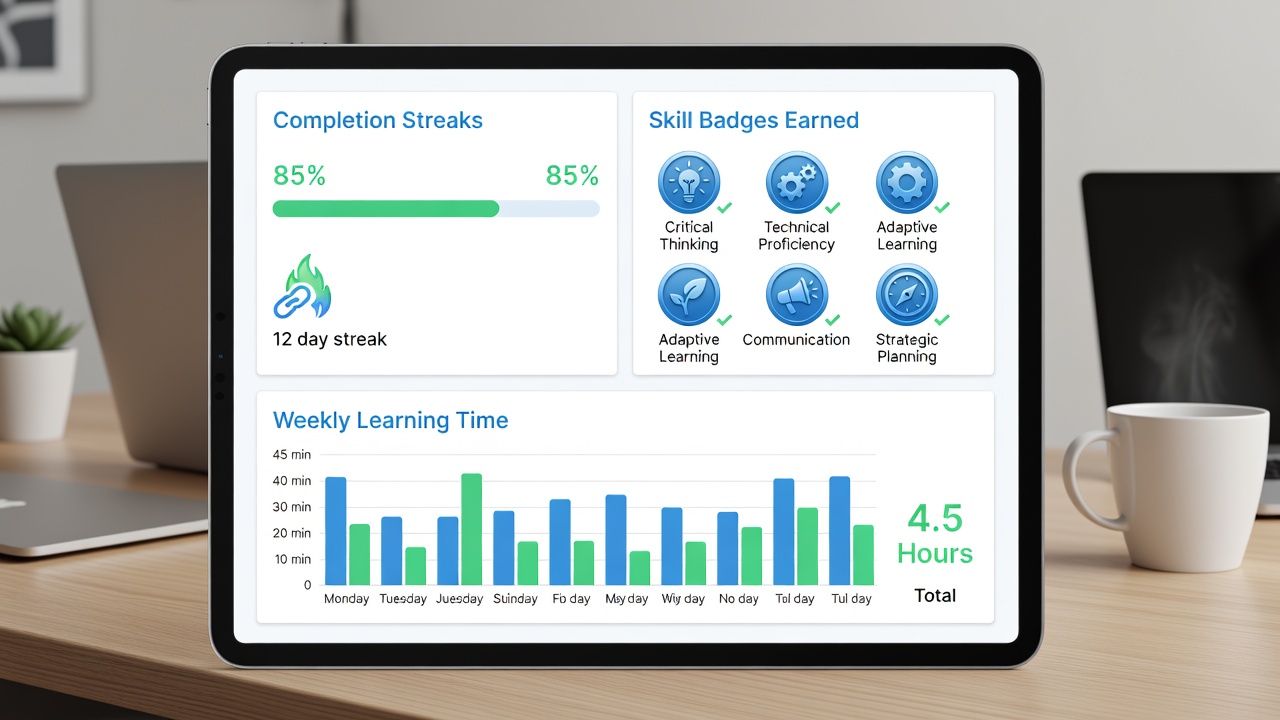
Integrating Micro-Credentials into LinkedIn Profiles
Showcasing achievements boosts visibility. Add certificates to the Licenses & Certifications section with specific skills highlighted. Use the Featured section for project examples demonstrating applied knowledge. This strategy enhances recruiter searches and networking opportunities. For instance, tech professionals often link GitHub repositories to micro-credentials, while finance experts share compliance case summaries. Update your headline or about section to mention newly acquired competencies, and request endorsements from managers who observed the skill improvements.
Over time, a well-curated profile with multiple micro-credentials signals continuous learning to potential employers. edX and similar providers issue shareable digital badges that appear directly on LinkedIn, increasing profile views and connection requests from recruiters in competitive fields.
Five Practical Steps for Rapid Upskilling Success
- Assess Current Skills: Conduct a self-audit using free online tools to identify gaps. Example: A tech developer pinpointed cloud computing weaknesses and targeted relevant modules, resulting in faster deployment of new features at work.
- Choose Targeted Content: Select platform courses matching your role. Finance professionals often prioritize risk management snippets for immediate impact on quarterly reporting accuracy.
- Build a Habit Loop: Use reminders and accountability partners. A banker completed daily compliance lessons, resulting in faster audit readiness and recognition from leadership.
- Measure and Iterate: Track application in real projects, refining focus areas quarterly. One professional adjusted their pathway after noticing stronger gains from simulation-based modules versus video-only content.
- Showcase and Network: Update profiles and join relevant groups to leverage new credentials for opportunities. Attend virtual meetups where peers discuss how micro-credentials influenced their own career moves.
FAQ on Time Management and ROI Measurement
How can I manage time for microlearning with a full schedule?
Prioritize high-impact modules during low-energy periods. Integrate into existing routines and use calendar blocking for consistency. Many users find success by replacing passive scrolling with learning sessions or listening to audio modules during commutes.
What is the ROI of microlearning?
Measure through salary growth, promotion speed, and skill utilization. Professionals often see tangible career advances within 3-6 months of consistent practice. Compare pre- and post-learning performance metrics such as project completion speed or error reduction rates.
How do I stay motivated over long periods?
Break larger goals into weekly challenges and celebrate small wins. Joining peer groups or setting public commitments on professional networks increases accountability and enjoyment.
Conclusion
Microlearning pathways empower 2026 professionals to achieve upskilling success efficiently. By following structured steps and leveraging real examples, you can accelerate career growth while maintaining balance. Start today to build momentum toward your goals and position yourself for new opportunities in a rapidly changing job market.


No comments yet. Be the first!