 Jobboy

Introduction: Why a PKM System Matters More Than Ever in 2026
In today's fast-evolving job market, professionals face constant industry shifts and upskilling demands. A Personal Knowledge Management (PKM) system helps you capture, organize, and retrieve insights efficiently, turning scattered information into actionable career advantages. This comprehensive guide provides step-by-step instructions, real-world examples from tech and finance, tool comparisons, and measurement strategies to help you implement a PKM system that accelerates growth amid rapid changes. By the end of 2026, those who master knowledge retention will stand out in competitive fields where continuous learning separates high performers from the rest.
The Growing Need for PKM Amid Industry Changes
Industries like technology and finance evolve at unprecedented speeds, with new tools, regulations, and methodologies emerging monthly. Without a structured system, valuable insights from webinars, reports, or experiments get lost, leading to repeated mistakes and slower career progression. A well-designed PKM acts as a second brain, preserving context and enabling quick retrieval during high-stakes moments such as performance reviews or project pivots. Professionals who invest time upfront often report higher confidence in interviews and negotiations because their accumulated knowledge is readily accessible.
Selecting the Right Tools for Your PKM System
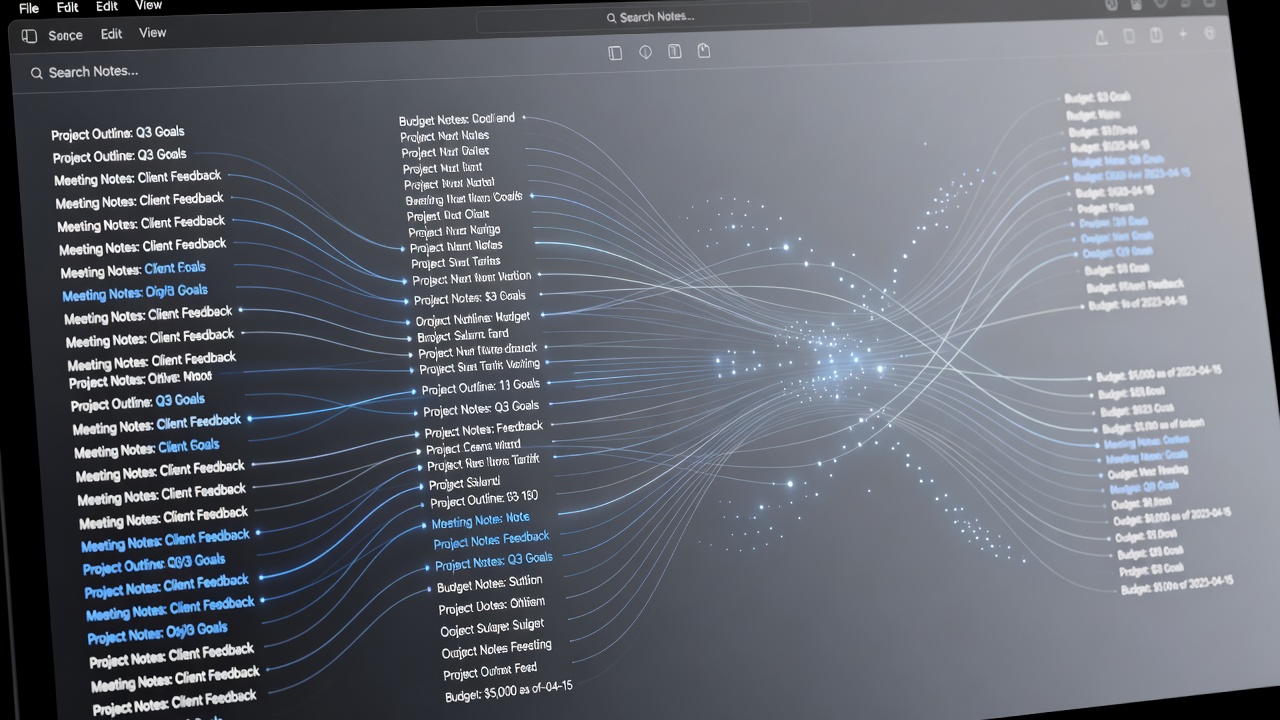
Choosing between digital platforms is critical for long-term success. Popular options include Notion for its all-in-one databases and Obsidian for its powerful linking and graph visualization. Notion excels in collaborative workspaces and customizable templates that support team sharing, while Obsidian shines for offline note-taking with bidirectional links that reveal hidden connections across your notes. Consider your workflow: start with free tiers and scale as needed. Evaluate factors like mobile accessibility, search capabilities, and export options to avoid vendor lock-in. Other considerations include integration with calendars and email clients. Test both for one week to see which feels intuitive, then commit to one primary tool while keeping backups in markdown format for flexibility.
Step-by-Step Setup Guide for a Digital PKM
Step 1: Define Your Core Categories
Create top-level folders or tags such as Learning, Projects, Career Goals, and Resources. In Obsidian, use folders combined with tags for cross-referencing; in Notion, use linked databases to create dynamic views. This foundation prevents chaos as your system grows.
Step 2: Establish Daily Capture Routines
Each evening, spend 10-15 minutes logging insights from meetings, articles, or courses using templates that prompt for key takeaways, action items, and source links. Use quick-capture tools like mobile apps or voice notes to reduce friction during busy days. Over time, this habit builds a rich repository without overwhelming your schedule.
Step 3: Link Knowledge to Career Planning Goals
Connect notes to specific objectives, such as linking a new certification to a target promotion. This creates a personal knowledge graph that reveals patterns, gaps, and opportunities. For instance, tag every learning note with relevant career milestones to track progress visually.
Step 4: Review and Refine Weekly
Schedule a 30-minute weekly audit to merge duplicate notes, update outdated information, and strengthen connections between ideas. This maintenance step ensures your PKM remains a living system rather than a static archive.
Real-World Examples from Tech and Finance Professionals
A senior software engineer at a major tech firm uses Obsidian to map coding patterns, architecture decisions, and interview prep notes. By linking these to upcoming project goals, the engineer prepared for an internal mobility opportunity and secured a leadership role in Q1 2026. In finance, an analyst maintains a Notion dashboard tracking market trends, regulatory updates, and competitor analyses. This centralized view directly informed a quarterly risk assessment report that earned executive recognition and contributed to a performance bonus. Another example comes from a product manager who combined both tools: Obsidian for personal ideation and Notion for stakeholder updates, resulting in clearer communication and faster project approvals.
Analog vs Digital Approaches: A Detailed Comparison
- Analog (notebooks, index cards, whiteboards): Offers tactile focus, reduced screen fatigue, and creative freedom during brainstorming sessions, but lacks powerful searchability, scalability, and remote access.
- Digital (Notion, Obsidian, Roam Research alternatives): Enables instant retrieval, automatic backups, advanced linking, and data visualization, though it requires initial setup time and can introduce distractions from other apps.
Many professionals adopt a hybrid model, using paper for initial idea capture during walks or meetings and digital systems for long-term storage and retrieval. This balanced approach maximizes the strengths of both while minimizing their weaknesses.
Measuring Impact on Promotions and Career Growth
Track key metrics such as notes created per month, average retrieval time during critical tasks, and instances where PKM insights influenced decisions or presentations. Conduct quarterly reviews: assess whether your system helped prepare for performance discussions, identify skill gaps for targeted upskilling, or surface ideas that led to innovation. Consistent users often experience faster skill acquisition and greater visibility within their organizations, directly supporting promotion cases by demonstrating organized thinking and continuous improvement.
Common Pitfalls and How to Avoid Them
Information overload frequently derails new users—combat it by setting strict criteria for what enters the system and pruning low-value notes weekly. Inconsistent capture leads to gaps; combat this by integrating reminders into existing routines until the habit solidifies. Another pitfall is over-engineering the system with too many tags or folders—keep structures simple at first and evolve based on actual usage patterns. Finally, failing to connect knowledge to actionable career goals reduces motivation; always ask how each note advances your professional objectives.
FAQ
How long does it take to see results from a PKM system?
Most users notice improved recall and organization within 4-6 weeks of consistent daily use, with more substantial career benefits emerging after three months.
Can I build an effective system using only free tools?
Yes, both Obsidian and the basic Notion plan support robust PKM functionality without any upfront cost, though paid upgrades add advanced collaboration features later.
What if I switch jobs—how do I migrate my system?
Export options in major tools make migration straightforward; prioritize markdown-compatible formats to maintain links and structure across platforms.
How do I handle sensitive or confidential information?
Use encrypted vaults or local-only storage options in tools like Obsidian, and avoid cloud sync for proprietary data until security policies are reviewed.
Conclusion
Building a PKM system positions you for sustained success amid 2026's rapid professional changes. Start small with core categories and daily routines, iterate based on your evolving needs, and deliberately connect knowledge to career objectives for maximum impact. With dedication, your personal knowledge base becomes a strategic asset that compounds over time, driving promotions, innovation, and long-term fulfillment.


Comments (1)