 Jobboy

Introduction to Social Media Job Hunting
In today's digital age, social media isn't just for sharing vacation photos or memes—it's a powerful tool for job hunting. With over 4 billion users worldwide, platforms like LinkedIn and Twitter offer unprecedented opportunities to showcase your skills, connect with recruiters, and discover hidden job openings. This article explores innovative ways to harness these platforms, providing actionable tips to create a professional online presence, engage potential employers, and build meaningful networks. Whether you're a recent graduate or a seasoned professional, mastering social media can give you a competitive edge in your job search.
Traditional job boards like Indeed or Monster are great, but social media allows for more personalized and proactive approaches. According to recent studies, 70% of employers use social media to screen candidates, making it essential to curate your online persona strategically. Let's dive into how to get started.
Building a Professional Online Presence
Your social media profiles are often the first impression you make on potential employers. Start by auditing your existing accounts: remove or privatize anything that could raise red flags, such as controversial posts or outdated information.
- Choose the right platforms: Focus on professional networks like LinkedIn for in-depth profiles and Twitter for real-time conversations. If you're in creative fields, Instagram or Behance might also play a role.
- Optimize your profile picture and bio: Use a high-quality, professional headshot—think smiling, well-lit, and business casual. Craft a bio that highlights your expertise, current role, and career goals in 2-3 sentences.
- Consistency is key: Use the same professional photo and handle across platforms to make yourself easily searchable.
For example, on LinkedIn, enable the 'Open to Work' feature discreetly so recruiters see you're job hunting without your current employer noticing. This simple toggle can increase profile views by up to 40%.
Mastering LinkedIn for Job Opportunities
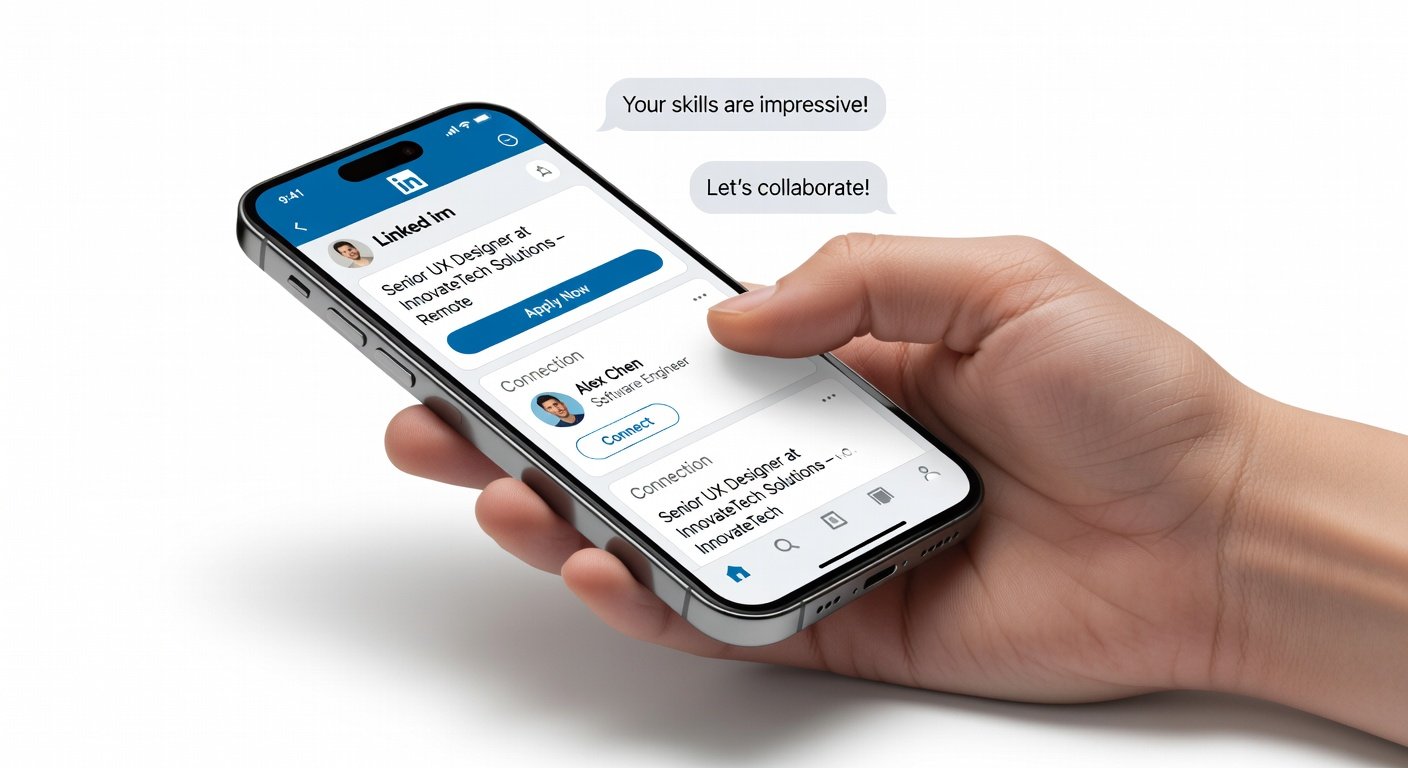
LinkedIn is the gold standard for professional networking, with over 900 million users. It's not just a resume repository; it's a dynamic platform for engagement.
- Complete your profile fully: Fill out every section—experience, skills, endorsements, and recommendations. Use keywords from job descriptions, like 'project management' or 'data analysis,' to improve search visibility. LinkedIn's algorithm favors complete profiles, pushing them higher in recruiter searches.
- Post valuable content: Share industry articles, insights from your work, or thought leadership pieces. Aim for 3-5 posts per week to stay top-of-mind. For instance, if you're in marketing, analyze a recent campaign and tag relevant companies.
- Join and engage in groups: Participate in LinkedIn Groups related to your field. Comment thoughtfully on discussions to build visibility. Follow companies you're targeting and interact with their posts—likes and shares can lead to profile views from hiring managers.
To connect directly with employers, use LinkedIn's search filters to find recruiters in your industry. Send personalized connection requests: 'Hi [Name], I admired your post on [topic] and would love to connect as I'm exploring opportunities in [field].' This approach has a higher acceptance rate than generic invites.
For more guidance on optimizing your LinkedIn profile, visit the official LinkedIn homepage and explore their learning resources.
Harnessing Twitter for Networking and Job Leads
Twitter (now rebranded as X, but still widely known by its original name) thrives on brevity and real-time interaction, making it ideal for spotting job openings and building rapport quickly. With its character limit, every tweet counts—use it to demonstrate your communication skills.
- Follow key influencers and companies: Curate a list of industry leaders, HR pros, and target employers. Tools like Twitter Lists can organize them for easy monitoring.
- Tweet strategically: Share quick tips, retweet job postings, or join chats with hashtags like #JobSearch or #Hiring. For example, tweet: 'Excited about AI in healthcare—here's a quick insight from my recent project. #TechJobs #CareerTips.'
- Direct message (DM) prospects: Once you've engaged publicly, slide into DMs with a polite intro. Reference a shared interest to warm up the conversation.
Twitter is excellent for uncovering unadvertised roles. Many recruiters post 'We're hiring!' tweets before listings go live on formal sites. Engage by replying with why you're a fit, but keep it professional—no spamming.
Check out Twitter's help center at help.twitter.com for tips on professional use and best practices.
Engaging with Potential Employers Innovatively
Going beyond passive scrolling, actively engage to stand out. Innovation here means being helpful, not salesy.
Comment on company posts: On LinkedIn or Twitter, respond to employer updates with insightful questions or additions. For a tech firm's innovation announcement, say: 'Fascinating approach! How does this integrate with [tool]? As a developer with experience in [tool], I'd love to discuss.' This positions you as knowledgeable.
Virtual networking events: Many platforms host live sessions or AMAs. Attend and follow up with participants. Use Twitter Spaces for informal chats with industry pros.
Leverage multimedia: Share videos or infographics showcasing your skills. A short LinkedIn video on 'My Top 3 Project Management Hacks' can garner views and connections.
Remember, engagement should be genuine. Track interactions in a spreadsheet: who you've connected with, follow-up dates, and outcomes. This organized approach turns social media into a job-hunting CRM.
Common Pitfalls to Avoid
While social media boosts your search, missteps can harm your chances.
- Oversharing personal info: Keep posts professional; avoid politics or negativity.
- Ignoring privacy settings: Regularly review who can see your activity.
- Not measuring results: Use platform analytics to see what's working—adjust based on engagement rates.
Also, balance your efforts: don't neglect your resume or in-person networking. Social media complements, not replaces, traditional methods.
Conclusion: Your Social Media Job Hunt Strategy
By creating a polished online presence, actively using LinkedIn for depth and Twitter for speed, and engaging employers thoughtfully, you'll transform social media into a job-hunting powerhouse. Start small—update one profile today—and build momentum. With consistency, you'll not only find opportunities but also build a network that supports your career long-term. Ready to connect? Your next role might be just a tweet away.


Comments (1)