 Jobboy

Introduction to Biodiversity in ESG Interviews
As companies face mounting pressure to address nature loss, biodiversity has become a core topic in ESG interviews for 2026. Interviewers seek candidates who can demonstrate deep knowledge of frameworks like the Taskforce on Nature-related Financial Disclosures (TNFD) and translate them into measurable actions. This guide prepares you with response frameworks, case studies, and preparation strategies drawn from leading sustainability reports. Biodiversity loss directly threatens supply chains, regulatory compliance, and long-term financial stability, making it essential for ESG professionals to articulate both risks and opportunities. In 2026, roles in sustainability, finance, and operations increasingly require fluency in nature-related disclosures because investors and regulators now demand evidence of proactive management rather than vague commitments. Candidates who can connect biodiversity to business resilience stand out in competitive interviews.
Understanding TNFD Alignment and Its Interview Relevance
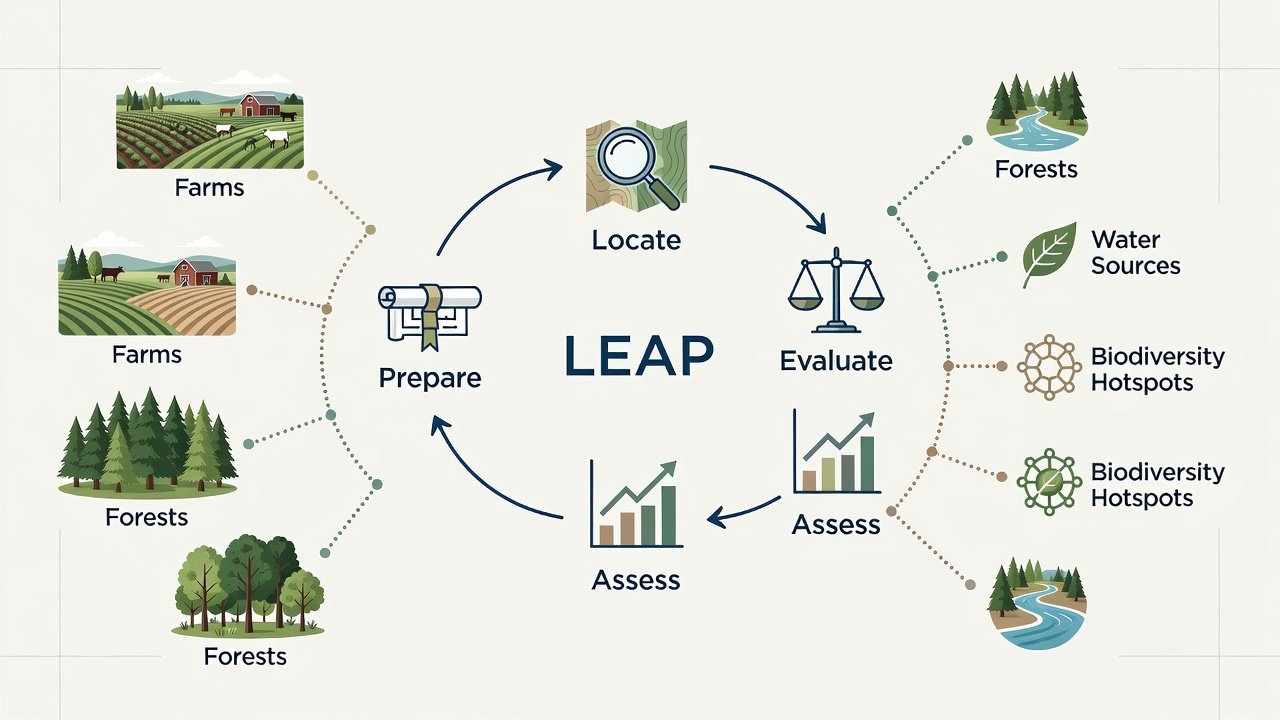
The TNFD provides a structured approach for organizations to assess and disclose nature-related risks. In interviews, expect questions on how you would integrate TNFD’s LEAP approach (Locate, Evaluate, Assess, Prepare) into corporate strategy. Strong candidates explain how alignment helps identify dependencies on ecosystems, such as water resources or pollinators, and mitigates financial risks. The Locate phase involves mapping where a company’s operations and value chains interact with sensitive ecosystems. Evaluate requires assessing the state of nature and business dependencies. Assess focuses on risks, opportunities, and materiality. Prepare covers target setting, strategy development, and reporting. Interviewers may ask you to walk through a hypothetical application of these steps for a multinational retailer sourcing from tropical regions. Authoritative guidance is available at TNFD’s official site. Use this resource to research the latest beta versions and pilot implementations before your interview. Many companies are now publishing TNFD-aligned reports, so reviewing those examples demonstrates up-to-date knowledge.
Supply Chain Biodiversity Risks: Key Considerations
Supply chains often represent the largest biodiversity footprint. Prepare to discuss risks in agriculture, mining, and manufacturing sectors. Questions may probe how you would map high-risk commodities like palm oil, soy, or timber using tools such as the WWF Biodiversity Risk Filter. Key risks include habitat conversion, overexploitation of resources, pollution from processing facilities, and invasive species introduction through logistics. In interviews, demonstrate awareness that indirect suppliers (tier 2 and beyond) frequently pose the greatest challenges because visibility decreases. Practical responses include describing how to use geospatial data combined with supplier questionnaires to prioritize engagement. Compare sectors: Consumer goods companies face greater scrutiny on agricultural sourcing, while financial institutions focus on portfolio-level nature risks through financed emissions and land-use impacts. Energy and infrastructure sectors must address cumulative effects on migratory species and protected areas. A strong answer might reference how a food company reduced soy sourcing from deforested areas by 40 percent through certification and landscape-level partnerships.
- Identify primary suppliers and their geographic exposure to deforestation hotspots using satellite monitoring.
- Quantify impacts using metrics like mean species abundance or ecosystem integrity indices.
- Implement traceability systems and supplier engagement programs with clear escalation protocols.
- Collaborate on restoration projects in sourcing landscapes to achieve net-positive outcomes.
Measurable Impact Metrics and Data Sources
Effective answers reference specific metrics. Common ones include hectares of restored habitat, percentage reduction in land-use change, and biodiversity intactness indices. Additional metrics gaining traction include the Species Threat Abatement and Restoration (STAR) metric and the Biodiversity Footprint metric used by financial institutions. Reliable data sources include reports from the United Nations Environment Programme and the Convention on Biological Diversity at cbd.int. Candidates should also reference the IUCN Red List for species-level data and Global Forest Watch for real-time deforestation alerts. In interviews, explain how you would combine these sources to create a baseline assessment and track progress over time. For example, a manufacturing firm might report a 25 percent improvement in mean species abundance across key sourcing regions after implementing regenerative practices.
Real Company Case Studies
Examine Unilever’s biodiversity commitments in its annual reports, which include commitments to regenerative agriculture across 50,000 farms and targets for zero net deforestation by 2025. Similarly, mining firm Rio Tinto discloses site-level biodiversity action plans with third-party verification and has set goals to achieve net positive impact on biodiversity at its operations. Nestlé has published detailed TNFD pilots focusing on its dairy and cocoa supply chains, using satellite data and farmer training programs to reduce conversion of natural habitats. Danone reports on its water stewardship programs that protect watersheds while improving soil biodiversity on farms. These examples illustrate how leading firms move from policy to verified outcomes and provide concrete talking points for interviews. When citing case studies, always connect the actions to measurable results and lessons learned that you could apply in a new role.
STAR Method: Weak vs Strong Sample Answers
Question: “Describe a time you assessed biodiversity risks in a project.”
Weak answer: “I looked at some reports and suggested we use less plastic.” This response lacks specificity, metrics, and structured thinking.
Strong STAR answer: Situation: At my previous role, our supplier in Southeast Asia faced deforestation risks affecting local ecosystems. Task: I led a TNFD-aligned assessment across the full supply chain. Action: Mapped 200-plus suppliers using satellite data and the Biodiversity Risk Filter, then engaged 15 high-risk suppliers for corrective action plans including traceability requirements. Result: Achieved 30 percent reduction in high-risk sourcing within 18 months, documented in our 2025 sustainability report with third-party assurance. Prepare a second example on supply chain engagement to demonstrate versatility.
Sector-Specific Comparisons
Finance sector roles emphasize portfolio screening and engagement with investee companies on nature-related disclosures. Manufacturing interviews focus on operational footprints, circular economy strategies, and supplier code enforcement. Energy candidates discuss habitat restoration around extraction sites and cumulative impact assessments. Retail and consumer goods professionals highlight commodity sourcing policies and landscape initiatives. Tailor your examples accordingly by researching the target company’s sector-specific biodiversity pressures and recent disclosures.
Step-by-Step Preparation Tips
- Review the latest TNFD guidance and pilot studies available on the official platform.
- Analyze three company sustainability reports from your target sector, noting metrics and targets.
- Practice articulating metrics and trade-offs using the STAR method with real examples.
- Prepare questions that demonstrate strategic thinking, such as how biodiversity links to climate goals.
- Study regulatory developments including the EU Corporate Sustainability Reporting Directive and emerging nature laws.
- Build a personal database of case studies with quantifiable outcomes for quick reference.
- Conduct mock interviews focusing on follow-up questions about implementation barriers.
- Research data tools such as the ENCORE database for sector-level nature dependencies.
Common Mistakes to Avoid
Many candidates focus only on high-level commitments without metrics or fail to address supply chain complexity. Avoid generic statements about “protecting the planet” and instead provide specific frameworks, data sources, and business case arguments. Another common pitfall is ignoring trade-offs, such as balancing biodiversity goals with cost or yield considerations.
Common Follow-Up Questions and Model Responses
Follow-ups often probe implementation challenges. A model response: “While data gaps exist in emerging markets, we can start with proxy indicators from global databases and prioritize high-impact areas first through phased engagement.” Another frequent question concerns balancing short-term costs with long-term benefits; respond by highlighting risk reduction and investor expectations. Be ready to discuss how you would handle supplier resistance or regulatory uncertainty in different jurisdictions.
Conclusion and Career Alignment
Mastering biodiversity topics positions you as a forward-thinking ESG professional ready for 2026 challenges. Tie answers to your values by explaining how protecting ecosystems aligns with long-term business resilience and personal commitment to sustainability, showing genuine motivation beyond compliance requirements.
FAQ on Regulatory Updates
How are regulations evolving? The EU Nature Restoration Law and upcoming SEC climate rules increasingly reference nature disclosures. Stay current via official government portals and industry updates.
How do I connect answers to career values? Frame responses around creating shared value for stakeholders and ecosystems, demonstrating authentic motivation beyond compliance.
What if I lack direct experience? Use transferable skills from related projects and emphasize willingness to learn through structured frameworks like TNFD.
Which sectors are most advanced? Consumer goods and finance lead in disclosures, while mining and energy are rapidly catching up with site-specific plans.

No comments yet. Be the first!