 Jobboy

Introduction to Cross-Cultural Interview Preparation
Job seekers targeting global opportunities in 2026 must navigate cultural nuances that shape interview dynamics across borders. Effective interview preparation now requires more than standard job interview tips; it demands a deep understanding of how regional values influence everything from greeting rituals to decision-making processes. This comprehensive guide delivers advanced yet beginner-friendly techniques for demonstrating cultural intelligence, helping candidates stand out in competitive international hiring processes. Whether you are applying for roles in Asia, Europe, Latin America, or the Middle East, mastering these elements can significantly increase your chances of success.
Adapting Communication Styles Across Regions
Communication styles differ dramatically depending on the cultural context. High-context cultures such as those in Japan, South Korea, and many Middle Eastern countries rely on implicit messages, nonverbal cues, and shared understanding to convey meaning. Candidates in these settings should focus on building rapport first and avoid rushing into direct self-promotion. In low-context environments like the United States, Germany, and Scandinavia, clarity and explicit statements are valued above all. Prepare by studying common phrases and tone preferences for your target region. For instance, when interviewing in Brazil or Mexico, incorporate warm personal anecdotes and maintain eye contact longer than you might in Northern Europe. Practice role-playing sessions with mentors from the target culture to refine your delivery and ensure your responses feel natural rather than scripted.
Handling Indirect vs Direct Questioning
Many Eastern interviewers use indirect questioning to evaluate emotional intelligence and respect for group harmony. A query such as “What are your thoughts on contributing to team success?” may actually probe your willingness to prioritize collective goals over individual recognition. Western interviewers, however, typically ask pointed questions about specific metrics and leadership moments. Develop flexible answer frameworks that allow you to pivot between styles. Use the STAR method but layer in cultural sensitivity by emphasizing collaboration when appropriate and quantifiable impact when the setting calls for it. Record yourself answering sample questions from both perspectives and review the recordings to identify areas where your tone or detail level needs adjustment.
Demonstrating a Global Mindset Without Stereotyping
Employers seek candidates who show genuine cultural awareness rather than surface-level knowledge. Share concrete experiences such as leading virtual projects across multiple time zones or participating in cross-border training programs. Avoid broad statements about “Asian collectivism” or “Western individualism.” Instead, discuss how you adapted your approach after receiving feedback from international colleagues. This demonstrates humility and a commitment to continuous learning, qualities highly prized in multinational organizations.
Practical Steps for Researching Company Culture
Thorough research forms the foundation of successful cross-cultural interview preparation. Start by examining the company’s official website and recent annual reports for stated values and global initiatives. Explore employee reviews and interview experiences on Glassdoor to understand day-to-day realities in different offices. Connect with current or former employees through professional networks and request informational conversations focused on unwritten cultural norms. Review local business publications and follow the company’s regional social media accounts to detect subtle differences in communication tone. Finally, study national holidays, work-life balance expectations, and hierarchy structures specific to the country where the role is based. These steps reveal insights that generic preparation cannot provide.
Western vs Eastern Interview Expectations: A Comparison
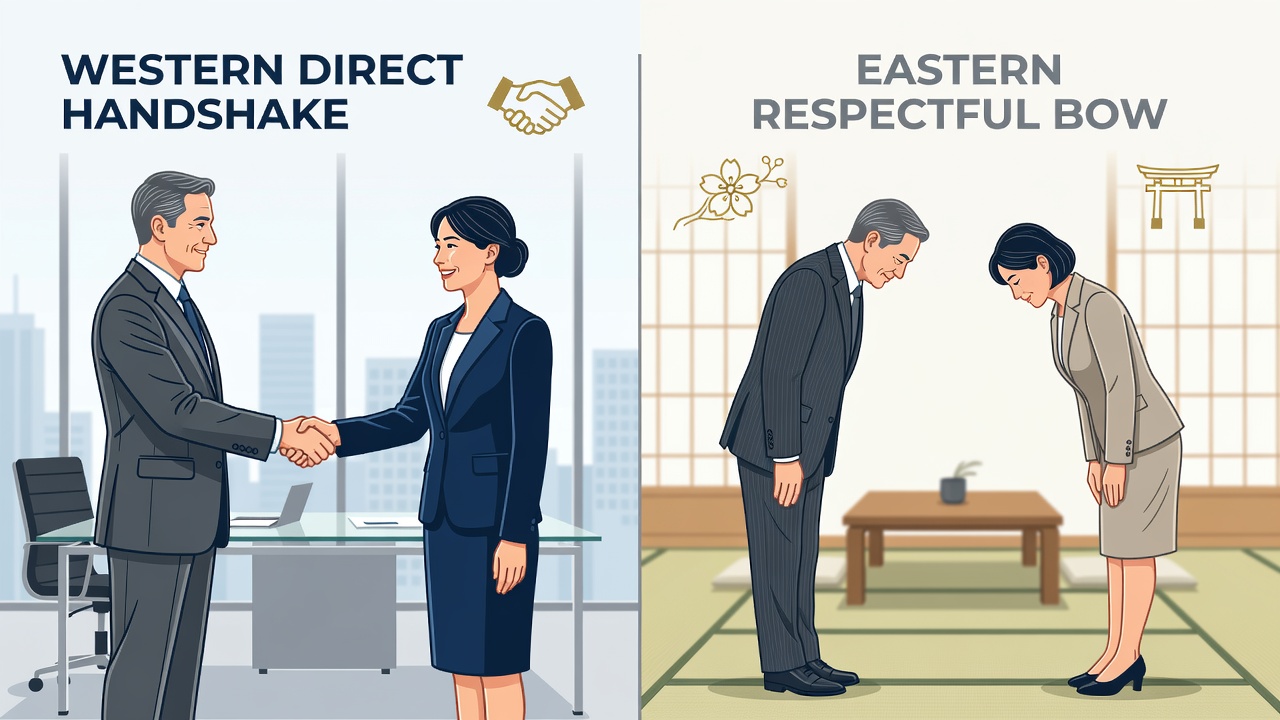
Understanding core differences helps candidates tailor their approach effectively. Western interviews, particularly in the US and UK, reward confident storytelling, individual achievements, and forward-looking ambition. Candidates are expected to quantify results and highlight personal leadership. Eastern interviews in Japan, China, and South Korea place greater emphasis on humility, long-term loyalty, and the ability to work within established hierarchies. Additional regions add further nuance: Latin American interviews often blend personal warmth with professional formality, while interviews in parts of Africa may prioritize community impact and relationship-building. Prepare multiple versions of your key stories so you can emphasize either individual contribution or team harmony depending on the interviewer’s background.
Real-World Examples of Successful Cross-Cultural Responses
Consider a software engineer interviewing for a position in Singapore. When asked about handling project disagreements, the candidate described facilitating a structured team discussion that incorporated input from all stakeholders rather than advocating for a single solution. This response aligned with local expectations around consensus. In another case, an applicant for a marketing role in Germany prepared detailed slides with performance metrics and acknowledged team contributions, striking the right balance between precision and collaboration valued in that market. A third example involves a project manager interviewing in Mexico who opened the conversation by asking about family and local events before transitioning into professional qualifications, creating immediate rapport.
Common Pitfalls and Actionable Fixes
- Pitfall: Using humor that fails to translate across cultures. Fix: Replace jokes with light professional observations and test stories in advance with cultural advisors.
- Pitfall: Overlooking hierarchy and addressing junior staff first. Fix: Identify senior interviewers through LinkedIn research and direct initial comments to the most senior person present.
- Pitfall: Neglecting local business etiquette such as gift-giving or punctuality. Fix: Study country-specific guides and arrive 10–15 minutes early while confirming whether small gifts are appropriate.
- Pitfall: Speaking too quickly or using idioms unfamiliar to non-native speakers. Fix: Slow your pace slightly and replace idioms with clear, literal language.
- Pitfall: Failing to follow up appropriately after the interview. Fix: Send a concise thank-you message within 24 hours that references specific discussion points and reiterates interest in the role.
Preparing for Virtual Cross-Cultural Interviews
Many 2026 interviews will occur via video platforms. Test your technology in advance and be mindful of background elements that may carry unintended cultural signals. Position your camera at eye level and maintain appropriate virtual eye contact by looking directly at the lens during key responses. Adjust lighting to appear professional and ensure any visible cultural artifacts in your space align with the values of the hiring organization.
Building Long-Term Cultural Intelligence
Successful global candidates treat cultural learning as an ongoing process rather than a one-time interview task. Enroll in language courses, join international professional associations, and seek mentorship from colleagues with diverse backgrounds. These habits not only improve interview performance but also support long-term career growth in multinational environments.
FAQ: Visa-Related Questions in Global Interviews
Q: Should I mention visa status early in the process? A: Focus first on your qualifications and experience; introduce visa discussions only when the employer raises the topic of sponsorship.
Q: How should I discuss relocation and long-term commitment? A: Express genuine enthusiasm for the local culture and professional opportunities while avoiding any direct references to immigration logistics unless specifically asked.
Q: What if the interviewer directly asks about work authorization? A: Provide a clear, positive answer that highlights any existing permits and your readiness to complete necessary paperwork efficiently.
Q: Can I ask about visa support during the interview? A: Reserve this question for later stages unless the job posting explicitly mentions relocation assistance.
Q: How do cultural differences affect visa-related conversations? A: In some regions, direct questions about personal matters may be considered intrusive, so follow the interviewer’s lead on timing and depth.
Conclusion
Mastering cross-cultural interview preparation equips you to thrive in the interconnected job market of 2026. By combining thorough research, adaptable communication strategies, and authentic respect for diverse perspectives, you can transform potential cultural barriers into competitive advantages. Begin implementing these detailed techniques immediately to enhance your prospects for international career success.


No comments yet. Be the first!