 Jobboy

Introduction: Why Mentorship Matters in the 2026 Job Market
The 2026 job market remains highly competitive, with applicants facing evolving technologies, AI-driven hiring processes, and shifting employer expectations around remote work and specialized skills. Structured mentorship offers a clear advantage by providing personalized guidance that accelerates skill development, expands professional networks, and helps job seekers avoid common pitfalls. This comprehensive guide explores practical strategies for identifying mentors, initiating contact, and sustaining productive relationships to help you land roles faster than going it alone.
Research from career experts shows that individuals with mentors often experience shorter job search timelines and higher success rates in landing desired positions. Whether you are a recent graduate, career changer, or experienced professional, leveraging mentorship can differentiate you in a crowded field.
Identifying the Right Mentors Through Professional Networks and Alumni Groups
Begin by mapping out your target industry and role, then leverage platforms like LinkedIn to search for professionals with relevant experience. Filter by company size, location, and career trajectory to find individuals whose paths mirror your aspirations. Alumni groups from your university or professional associations such as industry-specific societies provide trusted starting points, as shared backgrounds often lead to quicker rapport.
Evaluate potential mentors based on their availability, communication style, and willingness to offer constructive feedback. Look beyond senior executives to include mid-level managers who understand current entry-level challenges. Diversity in your mentor pool can expose you to varied perspectives on topics like inclusive leadership or navigating workplace bias in 2026.
Practical tip: Create a spreadsheet to track 10-15 candidates, noting their expertise areas, recent posts, and mutual connections before reaching out.
Crafting Effective Outreach Messages
Personalization dramatically improves response rates. Start with a specific compliment about their recent project or article, mention your shared connection or alma mater, and clearly articulate your job search goals. Keep the message under 150 words, propose a short 20-minute call, and express flexibility in scheduling.
Example message: "Hi [Name], I admired your recent LinkedIn post on AI in marketing. As a fellow [University] alum transitioning into digital roles, I'd value 20 minutes of your insight on building a portfolio. Would you be open to a quick chat?"
Follow up politely after one week if no reply. Avoid generic templates; always demonstrate you've researched their background to build immediate credibility.
Comparing Formal Programs Versus Informal Connections
Formal mentorship programs, often sponsored by corporations, universities, or organizations like professional associations, offer structured curricula, progress tracking, and sometimes matching algorithms. They provide accountability through scheduled sessions and resources but may feel rigid.
Informal connections, formed through events, social media, or referrals, allow organic growth and flexible pacing. However, they require more initiative to maintain momentum. Many 2026 job seekers combine both: joining a formal program for foundational skills while cultivating informal mentors for real-time advice on applications.
Consider your personality and schedule when choosing. Formal suits those needing external structure; informal works well for self-starters.
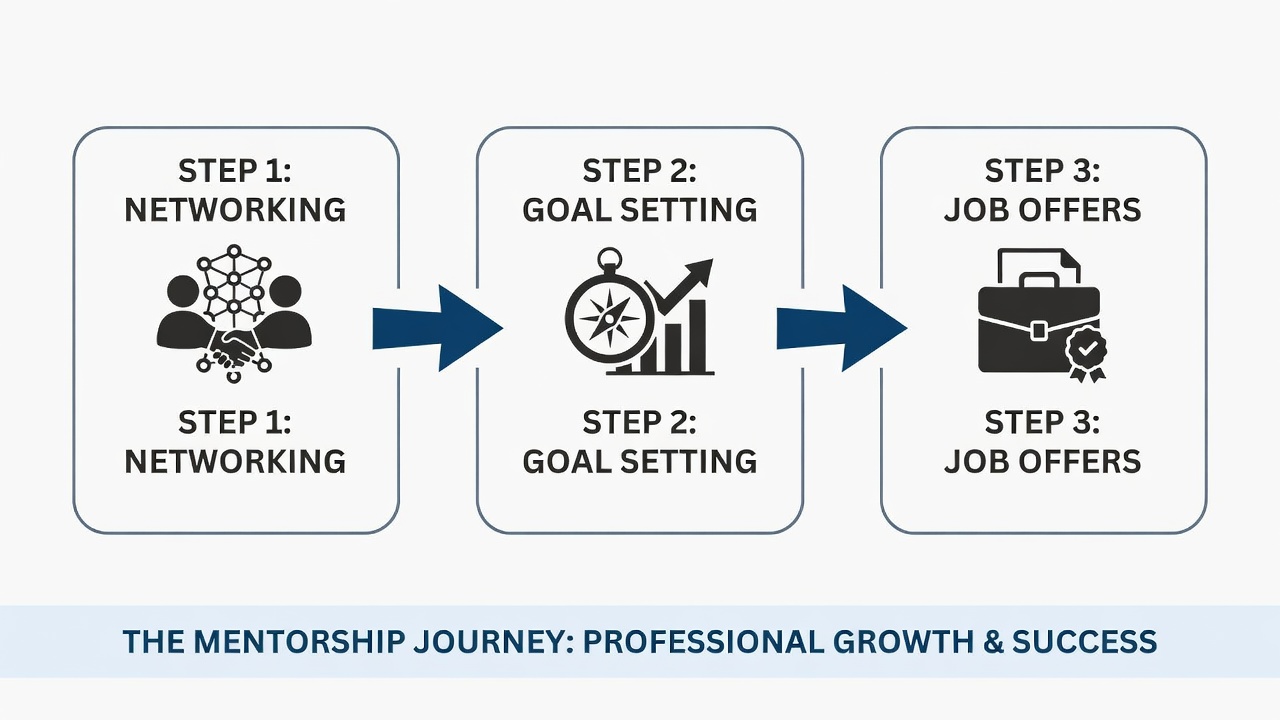
Virtual Mentorship Tools for Seamless 2026 Interactions
Video platforms such as Zoom and Microsoft Teams enable face-to-face conversations across time zones. Scheduling tools like Calendly streamline meeting setup, while shared workspaces in Google Docs or Notion allow collaborative goal tracking and feedback on resumes or LinkedIn profiles.
Additional resources include project management apps like Trello for visualizing job search milestones and AI transcription services for reviewing past conversations. These technologies remove geographical barriers and make mentorship accessible even for busy professionals.
Setting Measurable Goals with Your Mentor
Use the SMART framework: Specific, Measurable, Achievable, Relevant, Time-bound. Examples include applying to five targeted roles weekly, completing an online certification in four weeks, or expanding your network by 15 new contacts monthly. Schedule bi-weekly check-ins to review progress and adjust based on market feedback or interview outcomes.
Document goals in a shared document so both parties stay aligned. This approach turns mentorship into a results-driven partnership rather than casual chats.
Real-World Examples of Mentees Landing Roles Faster
A software engineer used alumni mentorship to refine his technical interview skills, securing a position at a major tech firm in just eight weeks instead of the typical four months. A marketing professional in career transition leveraged virtual sessions to build a targeted portfolio, landing a remote role within 10 weeks after implementing mentor-suggested networking tactics.
Another example: A recent MBA graduate combined formal program advice with informal coffee chats, resulting in three job offers by month three. These cases highlight how mentorship provides insider knowledge on company cultures and unadvertised openings.
Step-by-Step Action Plan for Implementing Mentorship
- Self-assess your strengths, gaps, and ideal role within the first week.
- Research and compile a list of 8-12 potential mentors using LinkedIn and alumni directories.
- Send personalized outreach within 48 hours, tracking responses in a spreadsheet.
- Conduct initial 20-30 minute meetings to discuss expectations and availability.
- Co-create a 90-day goal plan with milestones and success metrics.
- Hold consistent meetings, share updates, and request specific feedback on applications.
- Express gratitude through thank-you notes and offer value back, such as sharing relevant articles.
- Evaluate the relationship quarterly and expand your network as needed.
FAQs on Common Mentorship Challenges
How do I manage time commitments with a busy mentor?
Establish clear boundaries in the first meeting, such as 30-minute sessions twice monthly. Prepare agendas in advance to keep discussions focused and efficient.
What if advice conflicts with my own research?
Discuss differing viewpoints openly. Use the input as one data point and cross-reference with multiple sources or additional mentors.
How long should a mentorship relationship last during a job search?
Many last three to six months, but successful pairs often continue informally afterward for career growth.
Can I have more than one mentor?
Yes. Multiple mentors covering different aspects like technical skills, networking, or industry trends often yield the best outcomes.
Conclusion
Implementing these mentorship strategies can significantly enhance your 2026 job search by delivering targeted guidance, accountability, and expanded opportunities. Start today by identifying one potential mentor and sending a thoughtful message. Consistent effort in building these relationships pays dividends far beyond a single job offer. For additional career resources, visit LinkedIn, Harvard Business Review, and Bureau of Labor Statistics.


No comments yet. Be the first!