 Jobboy
Introduction
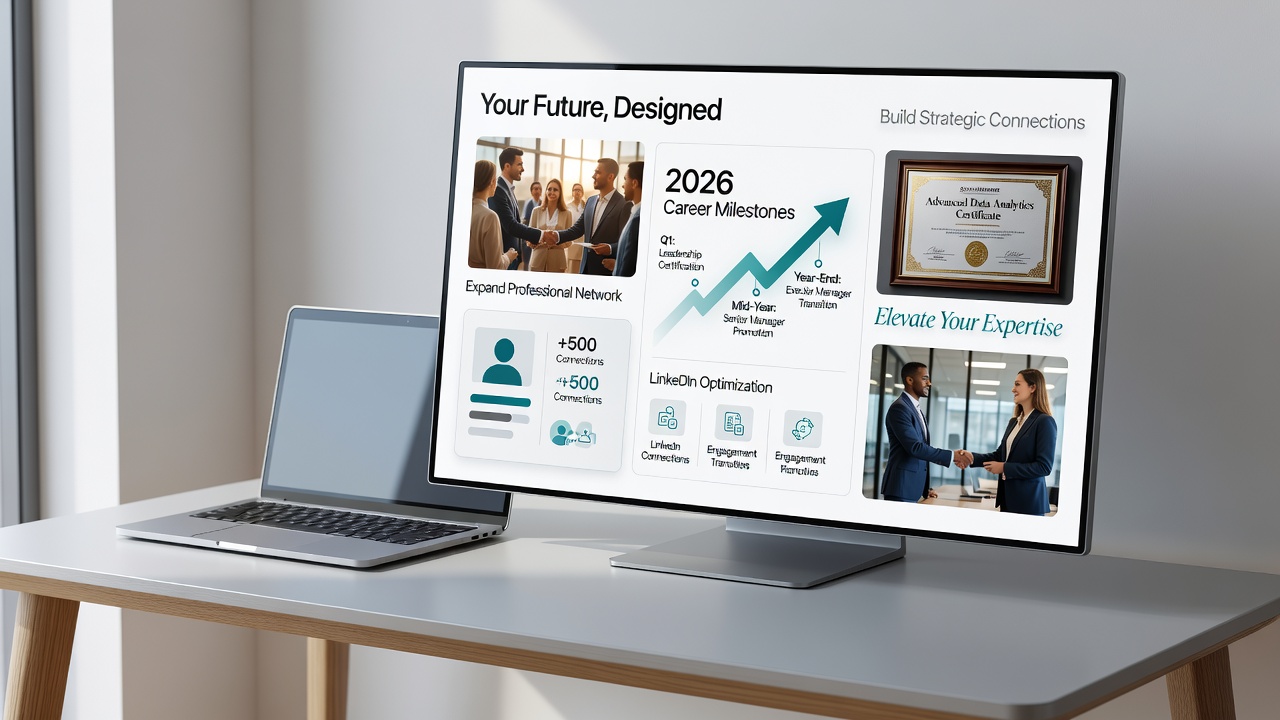
Creating a career vision board is a powerful way to visualize your professional aspirations and turn them into actionable steps. For 2026, this tool helps align your efforts with key objectives like securing promotions, mastering new skills, and navigating strategic career shifts. Unlike generic lists or data-driven analytics, a vision board taps into creativity to keep you inspired daily. In today's fast-evolving job market, professionals face constant change driven by automation, remote work trends, and emerging technologies. A vision board provides a tangible anchor that reinforces commitment and reduces decision fatigue when opportunities arise.
Whether you are a creative beginner or an experienced professional seeking fresh motivation, this guide provides in-depth instructions, practical examples, and integration strategies to make your board truly effective. We will explore sourcing images for networking wins and LinkedIn optimization, selecting the right digital tools, mapping milestones, and measuring impact over time. By the end, you will have everything needed to build a board that drives real 2026 growth.
Understanding the Power of a Career Vision Board
A career vision board is a visual collage of images, words, and symbols representing your desired professional future. It serves as a daily reminder of your goals, helping combat burnout and maintain clarity amid competing priorities. Research from psychology shows that visualization activates the same brain regions as actual experiences, increasing the likelihood of success. When applied to career development, this technique helps bridge the gap between intention and consistent action.
In 2026, with rapid changes in technology and the job market, vision boards can highlight emerging opportunities such as remote leadership roles or AI-related upskilling. They differ from traditional planners by engaging your creative side for deeper emotional commitment. Many successful executives credit vision boards with helping them stay focused during pivots or periods of uncertainty. The practice encourages holistic thinking, incorporating not just salary targets but also work-life balance, leadership visibility, and industry recognition.
Step-by-Step Guide to Building Your Board
Follow these detailed steps to assemble an effective career vision board tailored to 2026 growth. Each step includes practical considerations to ensure your board remains motivating rather than overwhelming.
- Define Your Core Goals: Start by listing 3-5 specific objectives. Examples include earning a promotion to senior manager within 12 months, completing certifications in data analytics or project management, or transitioning into a new industry such as sustainable technology. Write them clearly before sourcing visuals. Break each goal into supporting milestones like attending three industry events or updating your professional profile monthly.
- Choose Your Format: Decide between physical (poster board) or digital (using tools like Canva or Pinterest). Digital versions allow easy updates and sharing with mentors. Physical boards offer tactile satisfaction and can be displayed prominently in your workspace. Consider hybrid approaches where you print key digital elements.
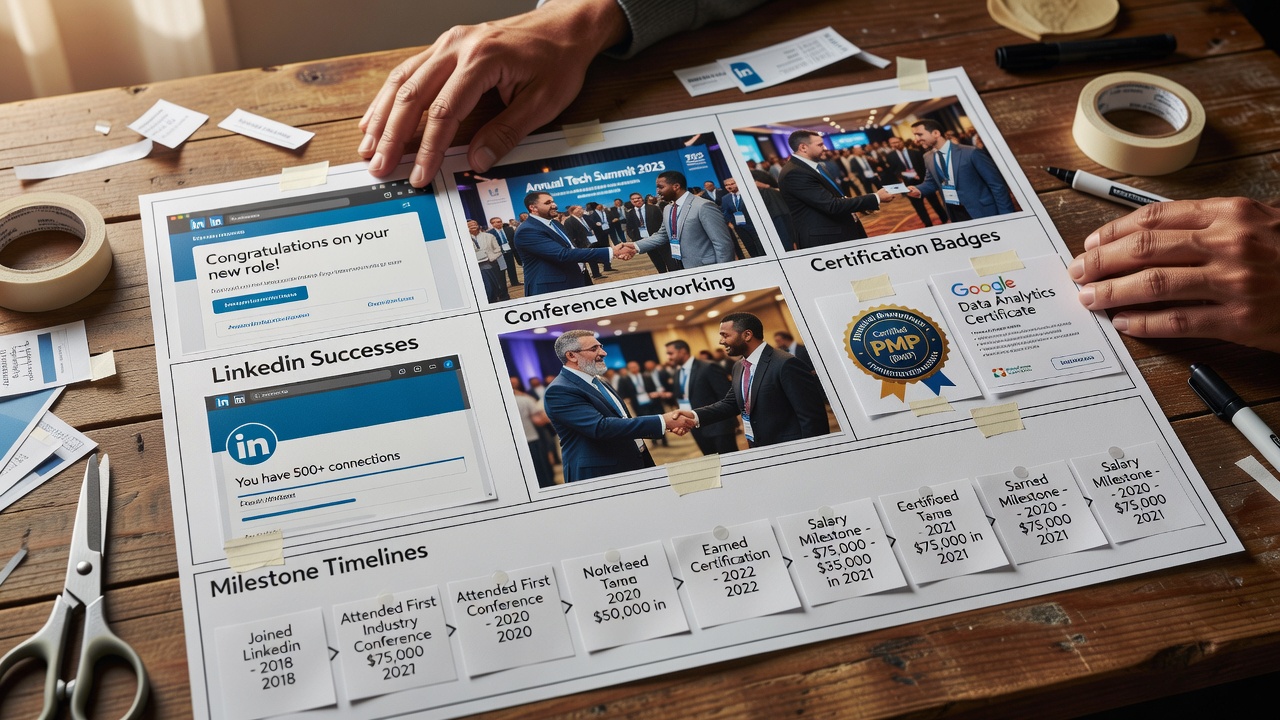
- Source Relevant Images: Gather visuals representing networking wins, such as photos of industry conferences, optimized LinkedIn profiles, or award ceremonies. Focus on images that evoke success and collaboration. Search terms like "professional networking event 2026," "LinkedIn profile success story," and "career milestone celebration" yield strong results from stock libraries.
- Select Tools and Materials: For physical boards, use magazines, printed photos, and glue. Digital options include free apps or paid platforms with advanced editing features. Test several tools to find one that matches your design comfort level.
- Arrange and Assemble: Organize images by theme—career milestones on one side, skill development on another. Add quotes or affirmations for motivation. Leave space for future additions as your 2026 journey progresses.
- Review and Refine: Step back and ensure the board resonates emotionally. Adjust as needed to reflect authentic aspirations. Involve a trusted colleague for feedback on clarity and impact.
Sourcing Images for Networking Wins and LinkedIn Optimization
High-quality images are crucial for bringing your board to life. Search stock libraries for visuals of professional networking events, handshake moments at conferences, or sleek LinkedIn profile screenshots. Incorporate elements like growth charts or certification badges to symbolize 2026 achievements. Ensure images align with your personal brand for authenticity. Avoid overly generic stock photos by customizing them with your industry colors or specific job titles. For LinkedIn optimization, include visuals of profile completion checklists, connection growth graphs, and thought leadership posts. These elements reinforce daily habits that support long-term visibility.
Recommended Digital Tools for Creation
Popular tools include Canva for beginners with drag-and-drop templates, or Adobe Express for more customization. Many professionals also use Trello to combine vision boards with task tracking. Explore free tiers first to test what suits your workflow before committing to subscriptions. Canva excels at quick layouts and collaboration, while Pinterest offers endless inspiration through public boards. Compare features such as export options, mobile accessibility, and integration with calendar apps. Some users combine multiple tools, starting in Pinterest for idea collection and finishing in Canva for the final design.
Real-World Examples from Successful Professionals
Consider Sarah, a marketing specialist who created a vision board featuring images of speaking at industry events. By 2025 she secured a keynote spot, crediting the board for daily motivation. Another example is Jamal, who visualized a career pivot into tech; his board included coding bootcamp visuals and led to a successful transition within 18 months. A third case involves Priya, a mid-level manager who focused on remote leadership imagery and achieved a director-level role with hybrid team oversight. These stories illustrate how boards bridge intention and action when combined with consistent effort and periodic review.
Aligning Your Board with 2026 Career Trends
Stay current by incorporating emerging trends such as AI literacy, sustainability initiatives, and cross-functional leadership. Research reports from authoritative sources show increasing demand for professionals who blend technical skills with strategic thinking. Your vision board can include symbols of continuous learning platforms to reflect these shifts. This forward-looking approach ensures your 2026 goals remain competitive and relevant.
Integrating with Existing Career Planning Methods
Pair your vision board with SMART goals or quarterly reviews. Use it alongside resources from LinkedIn for networking strategies. Review the board monthly to track progress and adjust visuals as milestones are met, ensuring it evolves with your 2026 journey. Combine it with methods like OKR frameworks or skills gap analyses from platforms such as Coursera. This integration turns visual inspiration into measurable progress and prevents the board from becoming static decoration.
Measuring Long-Term Impact and Avoiding Pitfalls
Track impact through journals noting increased motivation or achieved goals. Common pitfalls include overcrowding the board or using generic images—keep it personal and focused. Revisit FAQs below for more guidance. Set specific review dates, such as the first of each quarter, to evaluate whether your board still reflects current priorities.
Common Mistakes to Avoid
- Using too many images without clear themes, leading to visual clutter.
- Ignoring emotional resonance in favor of purely aesthetic choices.
- Failing to update the board as goals evolve throughout 2026.
- Placing the board in a low-visibility location where it cannot provide daily reinforcement.
FAQs
How often should I update my vision board? Review quarterly or after major achievements to keep it relevant.
Can vision boards work for team goals? Yes, collaborative boards foster shared vision in professional settings.
What if my goals change mid-year? Embrace flexibility by swapping images to reflect new priorities.
Should I include salary or title specifics? Focus more on feelings of achievement and impact rather than exact numbers to maintain motivation.
How do I handle setbacks while using a vision board? Use it as a reminder of your "why" and pair it with actionable recovery plans.
Conclusion
Building a career vision board for 2026 empowers you to pursue growth with clarity and creativity. By following these steps and integrating visuals of networking and upskilling, you create a lasting tool for success. Start today to transform your professional aspirations into reality and enjoy the sustained motivation that comes from seeing your future every day.


No comments yet. Be the first!