 Jobboy

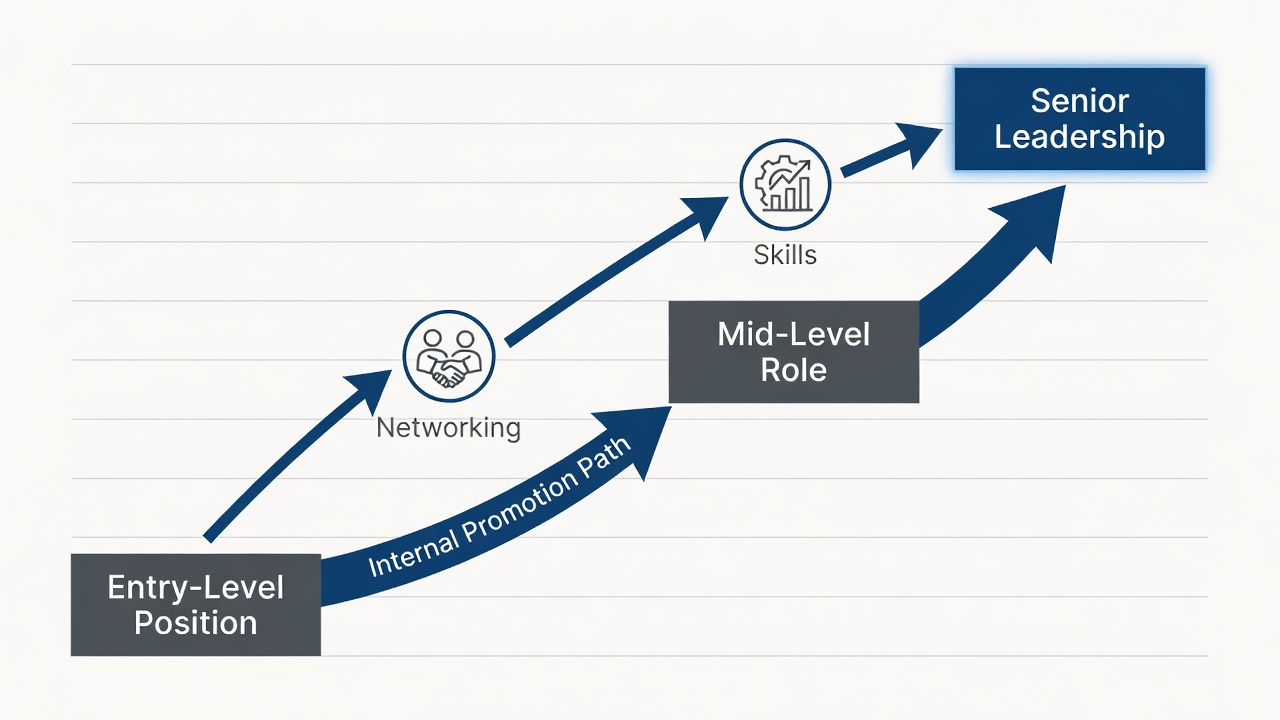
Internal mobility offers a strategic path to career advancement in 2026 by allowing professionals to pursue new roles, responsibilities, and growth opportunities within their current organization. This approach minimizes the risks associated with external job searches while leveraging existing company knowledge and relationships. Many employees discover that staying put and moving sideways or upward internally accelerates promotions and builds specialized expertise faster than jumping between companies.
Why Internal Mobility Matters in 2026
Companies increasingly prioritize retaining talent through internal moves rather than facing the costs of external hiring. Employees who pursue internal opportunities often experience faster promotions and skill development aligned with organizational goals. Research from labor statistics shows that internal transfers correlate with higher retention rates and improved employee engagement across industries. In a competitive talent market, organizations invest in mobility programs to reduce turnover expenses and maintain institutional knowledge.
Identifying Internal Opportunities
Start by reviewing your company's internal job portal regularly. Many organizations post openings exclusively to current employees first, giving insiders an advantage. Schedule meetings with your HR business partner to discuss career aspirations and potential lateral moves or promotions. Use performance data from your last review to identify roles where your existing contributions demonstrate readiness. Pay attention to departmental reorganizations or new project teams forming, as these often create unlisted opportunities.
Building a Strong Internal Network
Networking internally is crucial for uncovering hidden roles. Attend cross-departmental meetings, join employee resource groups, and seek mentors outside your immediate team. These connections often reveal unadvertised opportunities and provide sponsorship for transfers. For example, a marketing specialist might connect with product leaders during company town halls, leading to an invitation to shadow a product launch team. Consistent relationship-building over six to twelve months creates advocates who recommend you when positions open.
Aligning Moves with Upskilling Plans
Map your current skills against target roles using tools like your company's learning management system. Pursue certifications or courses that close gaps, such as project management or data analytics training, to strengthen your candidacy for internal positions. Align personal development goals with business priorities by reviewing annual strategy documents. Many firms offer dedicated budgets for internal learners, allowing employees to complete relevant modules without external costs. Track progress quarterly and share updates with potential hiring managers to demonstrate commitment.
Step-by-Step Process for Requesting Transfers
- Document your achievements and reasons for the move in a clear one-page summary that highlights transferable skills and business impact.
- Discuss with your current manager to gain support early, framing the request as mutual benefit rather than dissatisfaction.
- Apply through formal channels and inform key stakeholders such as mentors or HR partners before submitting applications.
- Prepare for internal interviews as you would external ones, practicing responses with colleagues familiar with the target department.
- Negotiate transition timelines that minimize disruption to your current team while ensuring a smooth handover of responsibilities.
Each step requires preparation and follow-up communication to maintain positive relationships throughout the process.
Real-World Examples Across Industries
In technology companies, engineers frequently transition into product management after completing internal workshops on user research and roadmap planning. One mid-level developer at a software firm moved to a product role within nine months by volunteering for cross-functional projects and earning an internal agile certification. Healthcare organizations see nurses shift into quality improvement or informatics positions by leveraging hospital-sponsored training programs. A registered nurse in a large hospital system transferred to a data analyst track after six months of part-time coursework, advancing her leadership trajectory without leaving the employer. Manufacturing and supply chain sectors offer similar paths, where operations staff move into procurement or logistics planning roles after demonstrating process improvement results in their current positions.
Comparing Internal vs External Career Changes
Internal moves typically involve shorter onboarding periods and preserved benefits such as accrued vacation time or retirement matching. External changes may offer higher salary jumps but carry greater uncertainty around company culture and role expectations. Internal mobility often leads to higher retention rates and sustained engagement because employees already understand workflows and stakeholders. However, external moves can provide broader exposure to new technologies or industries when internal options feel limited. Professionals should weigh factors like current tenure, skill alignment, and long-term goals before deciding.
Practical Checklist for Success
- Update your internal resume and LinkedIn profile quarterly with recent accomplishments and keywords from target job descriptions.
- Track key performance metrics relevant to desired roles, such as project completion rates or revenue impact, in a personal dashboard.
- Seek feedback from potential future managers through informal coffee chats or project debriefs.
- Set quarterly goals tied to mobility objectives, including one new internal connection and one completed skill module per period.
- Review company mobility policies during annual open enrollment to understand eligibility windows and application requirements.
Potential Pitfalls to Avoid
Common mistakes include failing to communicate with your current manager early, which can create tension during transitions. Underestimating skill gaps leads to unsuccessful applications and damaged credibility. Rushing transitions without proper planning disrupts team dynamics and harms your reputation. Avoid burning bridges by maintaining positive relationships throughout the process, even if a move is denied. Another frequent error is ignoring company politics, such as applying for roles in departments undergoing budget cuts. Finally, neglecting to follow up after interviews can signal lack of interest to decision makers.
Frequently Asked Questions
When is the best time to pursue an internal move?
Ideal timing aligns with performance review cycles or after completing major projects that showcase your capabilities. Avoid periods of high team workload or organizational restructuring when managers may resist losing staff.
How do I address skill gaps for a new role?
Identify gaps through conversations with hiring managers and use company-sponsored training programs. Many organizations offer tuition reimbursement for relevant development courses completed within a calendar year.
What if my manager blocks the transfer?
Document your request in writing and escalate to HR if needed. Explore lateral moves in other divisions or volunteer for stretch assignments that build visibility without requiring immediate approval.
Can internal mobility lead to salary increases?
Yes, many companies adjust compensation during role changes, especially when moving to higher responsibility levels. Review compensation bands with HR before applying to set realistic expectations.
For more insights on workforce trends, visit Bureau of Labor Statistics, SHRM, and U.S. Department of Labor.
Conclusion
Internal mobility represents a powerful, low-risk strategy for 2026 career growth when executed with preparation and persistence. By systematically identifying opportunities, building networks, aligning upskilling, and following structured processes, professionals can achieve meaningful advancement while strengthening their current employer relationship. Avoiding common pitfalls and addressing concerns proactively ensures smoother transitions and long-term success.


No comments yet. Be the first!