 Jobboy

Introduction to Remote-First Recruiting in 2026
Remote-first recruiting has evolved from a pandemic necessity into a strategic advantage for organizations seeking top talent without geographic limits. In 2026, HR leaders are prioritizing borderless hiring frameworks that go beyond hybrid models to fully leverage worldwide talent pools. This approach enables companies to access diverse skills, reduce costs associated with physical offices, and build resilient teams capable of operating across time zones. By removing location barriers, businesses can tap into emerging talent markets in regions like Southeast Asia, Eastern Europe, and Latin America, where skilled professionals often bring unique perspectives and lower overhead expectations.
Effective remote-first strategies address key challenges including time zone coordination, cultural adaptation, and maintaining virtual engagement. Organizations that succeed in this model report higher innovation rates because of the diversity of thought. This guide provides step-by-step implementation advice, real-world examples, tool comparisons, and metrics for measuring long-term success. Whether you are a startup scaling quickly or an established enterprise expanding globally, these frameworks help create inclusive processes that comply with international standards.
Key Challenges in Remote-First Recruiting
Building a remote-first process requires overcoming several hurdles that traditional recruiting does not face. Time zone differences can delay interviews and onboarding by days if not managed proactively. For instance, scheduling a call between candidates in India and hiring managers in California often requires asynchronous alternatives like recorded video responses to keep momentum.
Cultural nuances may lead to miscommunications during assessments, such as differing expectations around direct feedback or hierarchy in interviews. Virtual engagement tactics must compensate for the lack of in-person interactions to evaluate soft skills accurately. Candidates might excel in written communication but struggle with live video presence, requiring multiple evaluation formats.
Compliance issues, such as varying employment regulations across countries, add complexity. Companies must navigate data privacy laws like GDPR in Europe and work authorization requirements carefully to avoid legal pitfalls. Additional challenges include building trust without face-to-face meetings and ensuring equitable opportunities for candidates in regions with limited internet infrastructure. Addressing these upfront prevents costly rework later in the hiring pipeline.
Selecting Collaboration Tools for Global Teams
Choosing the right tools forms the foundation of remote-first recruiting. Platforms should support asynchronous communication, seamless video conferencing, and integrated applicant tracking systems that work across borders. Key features to prioritize include AI scheduling assistants, real-time translation, and secure document sharing that meets international compliance standards.
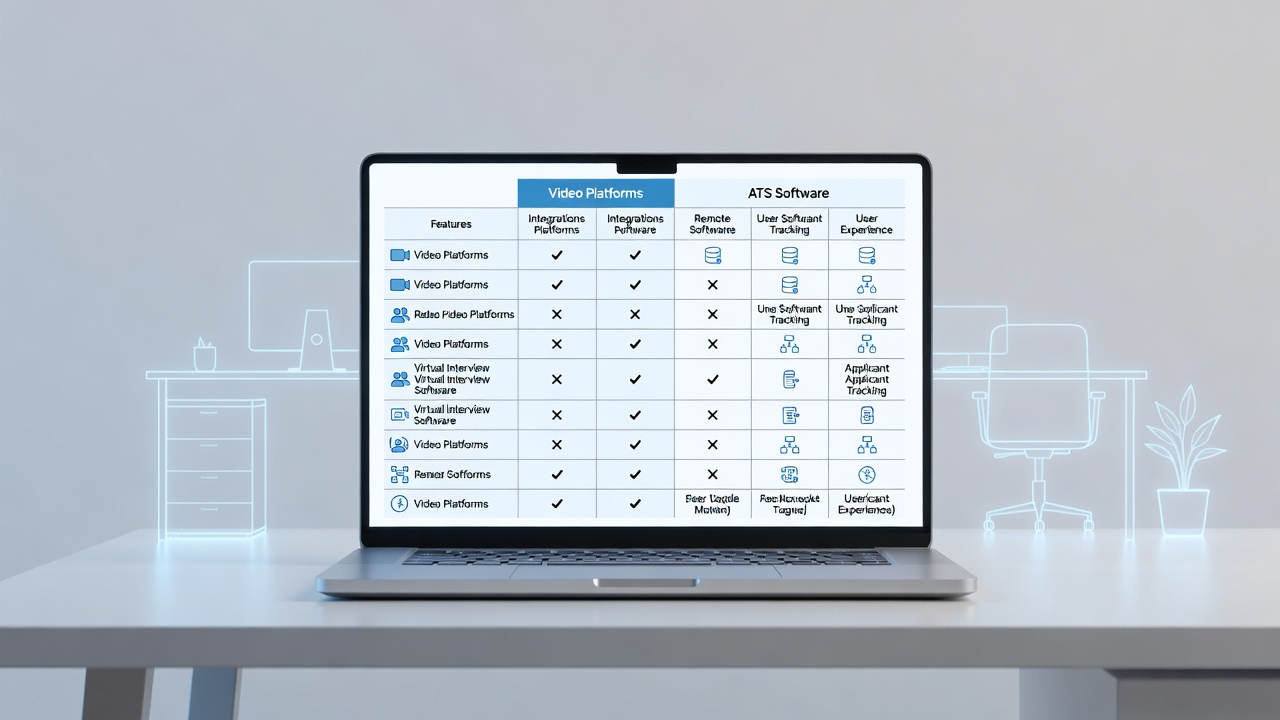
Popular options include video tools for interviews and project management software for team collaboration during the evaluation stage. A comparison of leading remote platforms highlights features like AI-powered scheduling and translation support, which are essential for international hires. Consider tools that integrate with existing HR systems to streamline workflows from application to onboarding.
When evaluating options, test for reliability in low-bandwidth environments and ease of use for non-native English speakers. Many organizations start with a core stack of three to five tools and refine based on team feedback after initial pilots.
Crafting Location-Agnostic Job Postings
Job descriptions should emphasize skills and experience over location requirements. Use inclusive language that welcomes candidates from any region and specify time zone flexibility where possible. Avoid phrases that imply office-centric expectations, such as "must be available during core business hours" without clarifying remote accommodations.
Highlight remote work benefits and provide clear details on compensation structures without tying them to specific geographies. This attracts a broader applicant pool and signals an organization's commitment to diversity. Include sections on company culture that address virtual collaboration norms and professional development opportunities available to remote employees worldwide.
Best practices involve A/B testing postings on global job boards and incorporating keywords that rank well for international searches. Provide examples of successful remote team members from different countries to inspire applicants and set realistic expectations about the role.
Measuring Success Through Retention Metrics
Success in remote-first recruiting extends beyond hiring numbers. Track retention rates, employee satisfaction scores, and time-to-productivity for new global hires. These metrics reveal whether the process truly supports long-term integration rather than just initial placement.
Key performance indicators include diversity in hires, engagement levels in virtual settings, and long-term tenure. Regular analysis helps refine processes and demonstrates ROI to stakeholders. For example, companies often monitor quarterly retention rates for remote cohorts compared to local hires and adjust sourcing strategies accordingly.
Implement dashboards that pull data from HRIS platforms to visualize trends. Combine quantitative data with qualitative feedback from exit interviews and pulse surveys to gain deeper insights into what drives remote employee loyalty.
Real-World Examples from Global Companies
Companies like GitLab and Automattic have pioneered remote-first models with documented success in scaling teams internationally. GitLab uses an open handbook approach where all processes are publicly documented, allowing candidates to self-assess fit before applying. This transparency has helped them hire talent across more than 60 countries while maintaining high retention.
Automattic, the company behind WordPress.com, relies on asynchronous communication tools and detailed onboarding playbooks to integrate new employees regardless of location. Other examples include tech firms that have expanded into emerging markets by adapting their recruiting to local cultural expectations while upholding global standards. One European multinational reported a 40 percent increase in qualified applicants after shifting to fully location-agnostic postings in 2025.
These cases demonstrate that consistent documentation, inclusive language, and robust virtual assessment methods create scalable frameworks that work across industries.
Practical Steps for Implementation
- Assess current recruiting workflows and identify gaps in remote capabilities by auditing past hires for time zone friction points.
- Invest in training for recruiters on cross-cultural communication and bias reduction techniques specific to virtual interviews.
- Pilot location-agnostic postings on major global platforms and gather feedback from applicants within the first 30 days.
- Establish clear metrics and review them quarterly, adjusting tools and messaging based on retention and engagement data.
- Develop standardized virtual onboarding sequences that include cultural sensitivity modules and peer mentorship pairings across regions.
Common Compliance Issues: FAQ
- How do we handle work visas for international candidates? Consult local regulations and partner with immigration experts early in the process to identify sponsorship pathways.
- What about data privacy across borders? Align with frameworks like GDPR and ensure secure data handling practices through vetted platforms.
- Are there tax implications for remote global employees? Review guidance from authoritative sources such as the International Labour Organization and consult tax advisors for multi-jurisdiction setups.
- How can we ensure equitable hiring without local bias? Use standardized rubrics and blind resume screening tools to focus purely on qualifications.
- What resources exist for staying updated on global labor laws? Reference organizations like SHRM and the OECD for regular policy updates and best practices.
Conclusion
Remote-first recruiting in 2026 offers unparalleled opportunities for growth when executed with strategic planning. By focusing on tools, inclusive practices, and measurable outcomes, HR leaders can create borderless teams that drive innovation. Start small, iterate based on data, and leverage resources like SHRM for ongoing best practices. The organizations that master these strategies today will lead in talent acquisition for years to come.


No comments yet. Be the first!