 Jobboy

Introduction: Why Performance Reviews Matter for Retention in 2026
Employee retention remains a top priority for hiring and recruiting teams worldwide. In 2026, organizations that shift from outdated annual reviews to continuous, data-driven feedback see significantly higher retention rates and stronger alignment between talent acquisition and ongoing employee development. Traditional review processes often fail to address real-time concerns, leading to disengagement and higher turnover. This comprehensive guide provides actionable steps for implementing modern performance review strategies that align with talent acquisition goals, use metrics to identify retention risks early, and draw on successful frameworks from forward-thinking companies. By the end of this article, HR professionals will have practical tools, templates, and insights to transform their review processes and build a more stable workforce.
Traditional Annual Reviews vs. Data-Driven Continuous Feedback
Traditional performance reviews often occur once a year and focus primarily on past performance. They can feel punitive, disconnected from daily work, and too late to prevent employees from seeking opportunities elsewhere. In contrast, data-driven approaches leverage real-time metrics, frequent check-ins, and collaborative goal setting to foster growth and loyalty. The shift supports recruiting teams by turning performance data into insights that refine sourcing strategies and candidate selection criteria.
Pros and Cons Comparison
- Traditional Reviews: Pros include structured documentation for compliance and clear annual benchmarks; cons involve delayed feedback, low employee engagement, and missed opportunities to course-correct performance issues before they escalate into departures.
- Continuous Feedback: Pros include higher retention through timely support, better alignment with evolving business needs, and integration with talent pipelines; cons involve requiring consistent manager training and robust technology adoption.
Forward-thinking companies like those highlighted on Harvard Business Review have successfully transitioned to ongoing models, reporting improved engagement scores and reduced voluntary turnover.
Implementing Continuous Feedback Loops: A Step-by-Step Guide
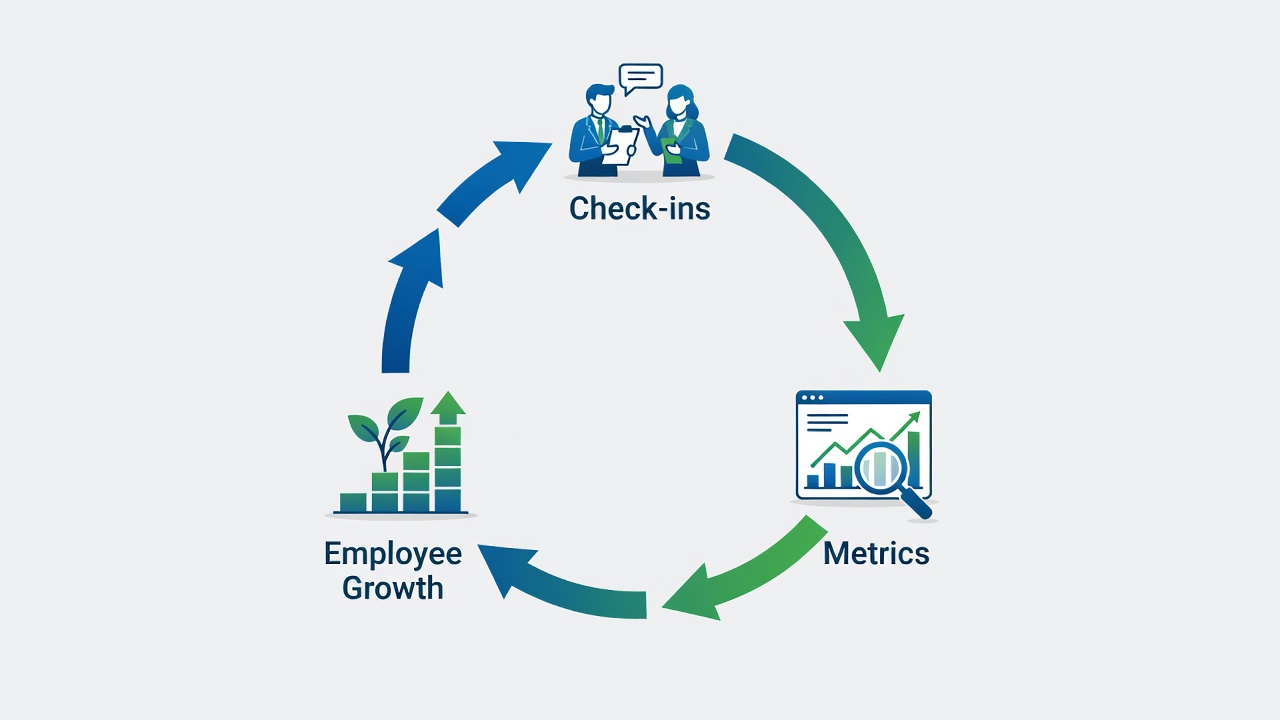
Start by training managers on conducting weekly or bi-weekly check-ins that emphasize two-way dialogue rather than top-down evaluations. Integrate tools that track progress against goals initially set during the talent acquisition phase. This approach helps identify issues before they lead to exits and creates a culture of transparency. Next, establish clear cadences: daily stand-ups for immediate blockers, monthly deep-dives for skill development, and quarterly reviews for broader alignment. Provide managers with templates and coaching to ensure consistency across teams. Finally, close the loop by feeding review insights back into recruiting processes so future hires better match organizational needs.
Aligning Reviews with Talent Acquisition Goals
Performance reviews should connect directly to recruiting pipelines. For example, aggregated feedback data can reveal recurring skill gaps that inform future job descriptions and sourcing channels. When a review highlights leadership potential in an employee, recruiting teams can prioritize internal mobility programs over external searches. This creates a closed loop where retention efforts strengthen acquisition strategies and vice versa. Real-world applications include using review analytics to adjust employer branding messages so they attract candidates who thrive under continuous feedback cultures.
Using Metrics to Identify Retention Risks Early
Key metrics include engagement scores from pulse surveys, goal completion rates, peer feedback trends, and absenteeism patterns. Early warning signs such as declining participation in reviews or sudden drops in collaboration metrics can prompt timely interventions like targeted coaching or workload adjustments. Resources from SHRM emphasize proactive monitoring combined with qualitative insights from one-on-ones. Additional indicators worth tracking are eNPS (employee Net Promoter Score) shifts and promotion velocity. By establishing dashboards that visualize these metrics, hiring teams gain predictive power to address flight risks months before resignation letters arrive.
Successful Frameworks from Forward-Thinking Companies
Companies like Google and Adobe use quarterly objectives with monthly touchpoints that emphasize strengths-based coaching. Adobe replaced annual reviews with frequent check-ins and saw measurable retention improvements. Other examples include Microsoft’s growth mindset approach and Salesforce’s use of AI-assisted feedback tools. These frameworks share common elements: clear expectations, regular recognition, and development plans tied to career aspirations. Recruiting teams at these organizations report that candidates are increasingly drawn to employers offering transparent, ongoing performance support rather than rigid annual cycles.
Sample Performance Review Template
Below is a detailed, ready-to-use template that hiring and recruiting professionals can adapt. Customize sections based on role level and department needs.
- Employee self-assessment section: Ask for reflections on achievements, challenges, and skill growth over the past quarter.
- Manager feedback on achievements: Provide specific, evidence-based comments tied to previously agreed goals.
- Goal setting for the next period: Set 3–5 SMART objectives that connect to both individual development and team talent needs.
- Development opportunities discussion: Identify training, mentoring, or stretch assignments that support long-term retention.
- Retention risk indicators checklist: Include items such as workload balance, recognition frequency, and career path clarity.
- Action items and follow-up dates: Document commitments and schedule the next check-in.
Common Mistakes to Avoid When Transitioning Review Processes
Many organizations fail by rolling out continuous feedback without adequate manager training, resulting in inconsistent experiences. Another frequent error is ignoring technology integration, which leads to fragmented data that cannot inform recruiting decisions. Avoid treating reviews as isolated HR events; instead, embed them into daily workflows. Finally, do not overlook employee input when designing the new system—solicit feedback during pilot phases to increase buy-in and effectiveness.
Frequently Asked Questions
How do I transition from annual to continuous reviews?
Begin with pilot programs in one department and gather feedback before full rollout. Communicate benefits clearly to both managers and employees to build support.
What metrics best predict retention?
Track voluntary turnover predictors such as absenteeism, satisfaction surveys, and goal misalignment, as noted in studies from Gallup.
How do reviews support recruiting efforts?
Insights from reviews help refine job descriptions, candidate screening criteria, and onboarding programs for better long-term cultural and skill fits.
What technology is needed to scale continuous feedback?
Platforms that integrate with existing HRIS systems and offer mobile-friendly check-in features work best for distributed teams.
Conclusion
Adopting continuous, data-driven performance reviews equips hiring teams to boost retention effectively while strengthening talent acquisition outcomes. By focusing on alignment, actionable metrics, proven frameworks, and practical templates, organizations can create workplaces where employees thrive and choose to stay longer. The transition requires commitment but delivers lasting returns through reduced turnover costs and a more engaged workforce.


No comments yet. Be the first!