 Jobboy

Navigating multiple job offers has become a powerful strategy for professionals aiming to secure top-tier compensation packages in 2026. With labor markets remaining competitive across tech, finance, healthcare, and consulting, candidates who receive simultaneous offers can leverage them to negotiate stronger base salaries, equity, and benefits. This approach requires careful research, ethical communication, and a structured plan to avoid common mistakes while maximizing long-term value.
Why Multiple Offers Give You Leverage in 2026
Employers understand that top talent often fields several opportunities. Research from sources like the U.S. Bureau of Labor Statistics shows continued demand in high-skill sectors. When you disclose competing offers ethically, you demonstrate market value without burning bridges. In today's environment, companies are more willing to adjust packages to retain strong candidates, especially when they see evidence of external interest backed by solid qualifications.
The key is preparation. Candidates who enter negotiations armed with data on total compensation trends perform better. This includes understanding how equity grants, performance bonuses, and benefits packages compare across offers rather than focusing solely on base pay.
The 5-Step Negotiation Framework
A proven method for handling multiple offers involves following these five clear steps to ensure organized and professional negotiations.
- Research and benchmark total compensation using recent 2026 data from reliable sources to establish realistic targets.
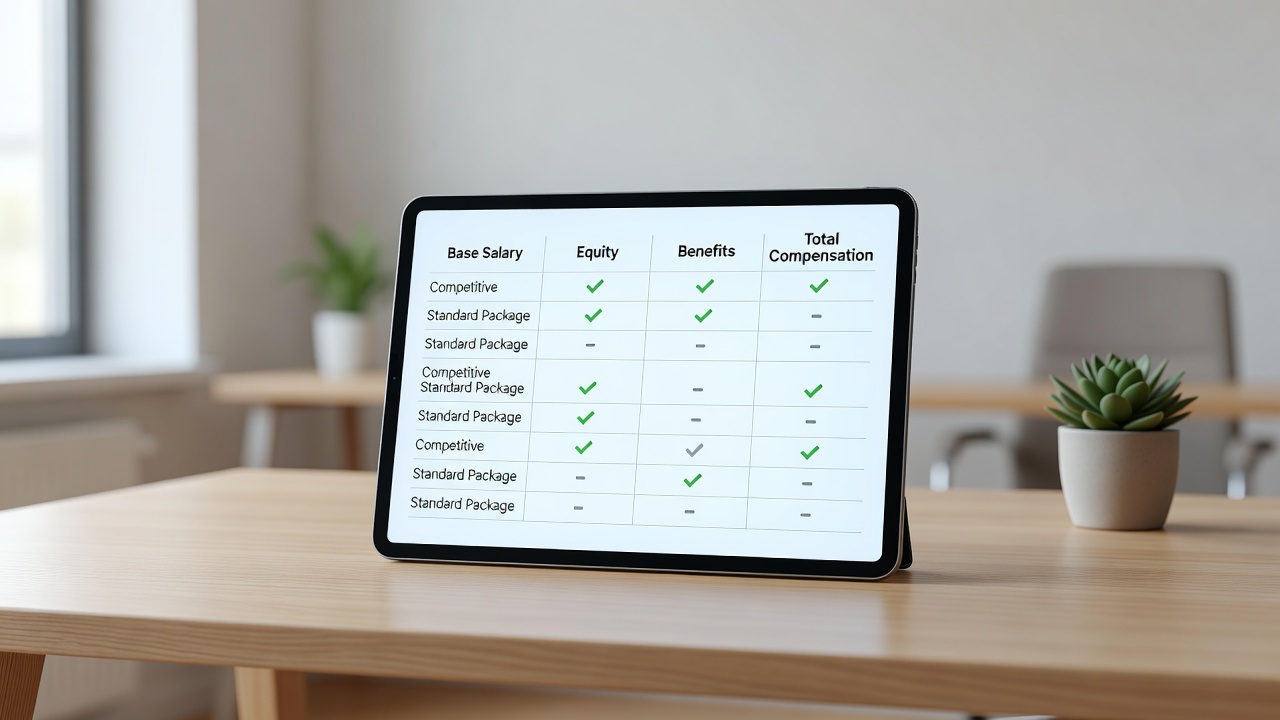
- Organize offers into a clear comparison checklist covering base, equity, bonuses, benefits, and long-term growth potential.
- Time your disclosure conversations strategically with each employer after receiving written offers.
- Use scripted language that emphasizes enthusiasm while sharing relevant details about competing packages.
- Evaluate counteroffers and decide based on long-term fit, culture, and career trajectory rather than short-term gains.
Each step builds on the previous one, creating a logical flow that keeps conversations productive and respectful.
Timing Your Disclosures
Reveal competing offers only after receiving a written offer from the first company. This protects your position and shows genuine interest. Avoid mentioning other offers too early in interviews, as it can signal you are not fully committed. The best window is typically within 48 to 72 hours of receiving an offer, allowing time to review details before initiating follow-up discussions.
Scripting Effective Conversations
Effective scripts focus on gratitude first, followed by a clear request for alignment. Sample email: "Thank you for the offer. I'm excited about the role and team. To make the best decision, could we discuss the compensation package? I have another offer with a competitive total package, and I'd love to see if we can align on total compensation to reflect my experience." Another variation for phone calls: "I appreciate the time you've invested. I'm thrilled about the opportunity, but I wanted to be transparent that I'm evaluating another strong offer. Can we explore adjustments to the equity component or signing bonus?"
Valuing Benefits and Equity Alongside Base Pay
Base salary is only one piece. Factor in 401(k) matching, health premiums, stock options vesting schedules, signing bonuses, and remote work flexibility. Create a spreadsheet that calculates the full five-year value of each package. Equity in particular requires careful analysis of vesting cliffs, refreshers, and potential dilution. Benefits such as parental leave, professional development stipends, and wellness programs add meaningful value that compounds over time.
Industry-Specific Examples
In software engineering, equity can represent a significant portion of total compensation, often exceeding base salary in high-growth companies. Finance roles frequently emphasize performance bonuses tied to individual and team results. Healthcare positions may highlight loan repayment assistance, flexible scheduling, and continuing education support. Consulting firms tend to offer rapid promotion tracks and extensive travel perks. Always tailor your ask to the norms of your sector and reference recent market data when justifying requests.
Preparing for Counteroffers and Rejections
Expect some employers to match or exceed competing offers. Others may politely decline due to internal budget constraints. Prepare a graceful response for both outcomes and maintain professionalism regardless of the result. When a counteroffer arrives, evaluate it against your original priorities rather than getting caught up in the excitement of the increase. If a company rejects your request, respond with appreciation for their consideration and leave the door open for future opportunities.
Common Pitfalls to Avoid
- Overstating competing offers or inventing details, which can damage trust permanently.
- Ignoring company culture fit and long-term career growth in favor of short-term compensation gains.
- Failing to get every agreement in writing before accepting an offer.
- Neglecting to follow up after negotiations conclude, which can harm your professional reputation.
- Rushing decisions without fully comparing the total value of each package over multiple years.
Sample Email Templates and Checklists
Use a standardized offer comparison checklist that includes columns for each component of compensation such as base salary, equity grant size, vesting schedule, annual bonus target, health benefits, retirement contributions, and work flexibility. Email templates should always express gratitude first and state your desired outcome clearly. A second template for follow-up after receiving a counteroffer might read: "Thank you for adjusting the package. After careful review, I have decided to move forward with your offer. I'm looking forward to contributing to the team."
Frequently Asked Questions
Is it ethical to leverage multiple offers?
Yes, when done transparently and without fabricating details. Employers expect candidates to explore options and make informed decisions. The U.S. Department of Labor emphasizes fair labor practices that support open market negotiations.
What if a company rescinds an offer?
Rare, but possible if negotiations become contentious. Maintain relationships with all parties and continue your search until you have accepted and started a role.
How do I handle non-compete clauses in competing offers?
Review each contract carefully with legal counsel if necessary, and ask the employer for clarification on restrictions before finalizing any decision.
Should I disclose exact numbers from competing offers?
Share ranges or general details rather than exact figures when possible. This keeps the conversation collaborative and prevents unnecessary pressure.
Conclusion
Leveraging multiple offers requires preparation, honesty, and strategic communication. By following the framework above and focusing on total compensation rather than base pay alone, you position yourself for the strongest possible 2026 package while building positive relationships with potential employers.


No comments yet. Be the first!