 Jobboy
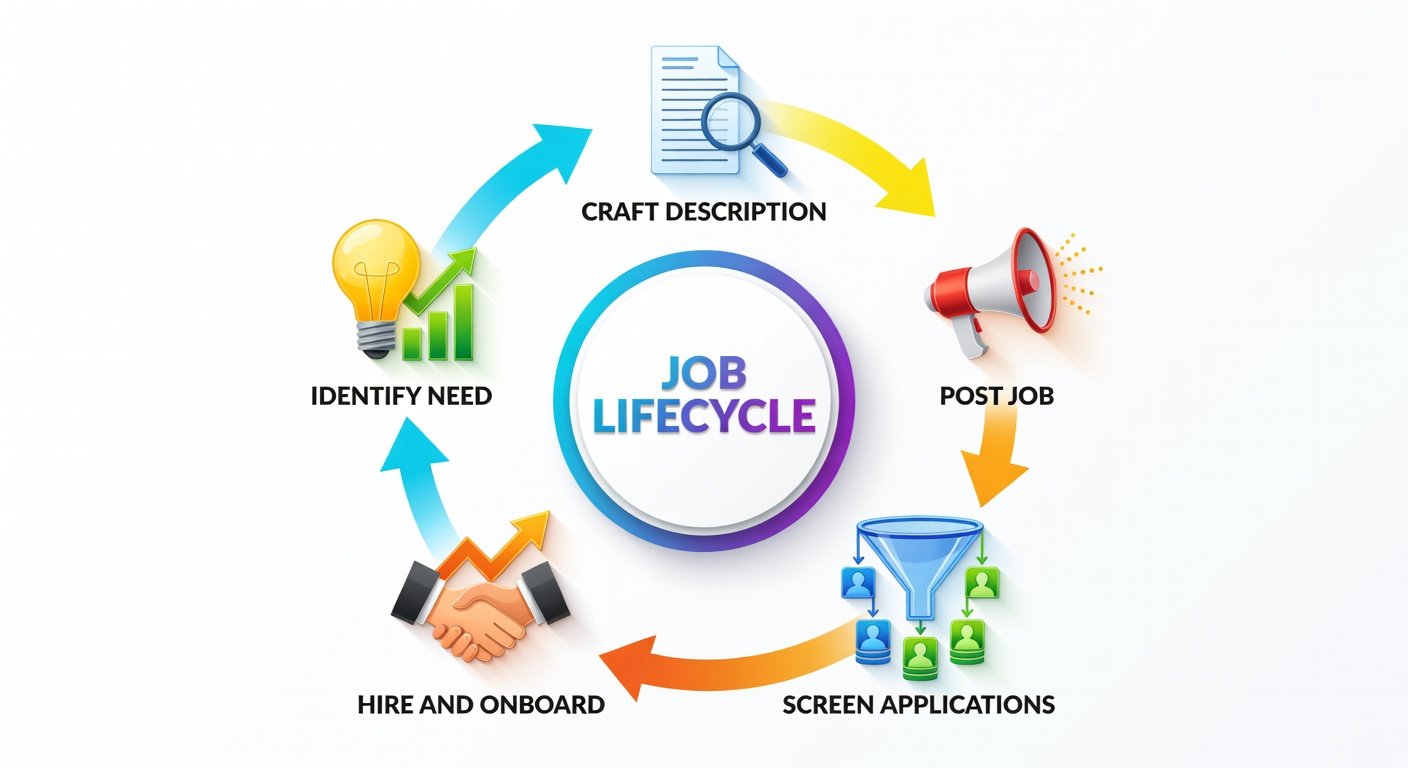
Understanding the Job Listing Lifecycle
In today's competitive job market, job seekers often focus on crafting the perfect resume and . But what if you could peek behind the curtain at how companies actually create and manage job listings? Understanding the lifecycle of job postings gives you a strategic edge, allowing you to align your applications with what employers truly seek. This article breaks down the process step by step, from initial creation to eventual closure, and offers tips for leveraging this knowledge in your .
The Initial Spark: Identifying the Need
Every job listing begins with a need within the company. This could stem from growth, turnover, or a shift in business strategy. HR teams or department heads assess workforce gaps through internal audits, performance reviews, or forecasting tools. For instance, if a marketing team loses a key member, the manager might request a replacement, kicking off the process.
At this stage, companies often use applicant tracking systems (ATS) like Workday or BambooHR to track internal talent first. Promoting from within saves time and costs, but if no suitable candidates emerge, the focus shifts to external . This phase is crucial because it defines the job's core requirements—skills, experience, and cultural fit that will shape the eventual posting.
Crafting the Job Description
Once the need is confirmed, the real work begins: writing the job description. This isn't a quick task; it involves collaboration between managers, HR specialists, and sometimes legal teams to ensure compliance with laws like the Fair Labor Standards Act (FLA).
- Key Elements Included: A compelling title, detailed responsibilities, required qualifications, preferred skills, salary range (in some cases), and company overview.
- Common Pitfalls: Vague language or overly long descriptions that deter applicants. Effective postings are concise yet informative, typically 300-500 words.
Companies aim for SEO-optimized titles and keywords to attract the right talent via platforms like or Indeed. For more on best practices, check out the , which emphasizes clarity and inclusivity to broaden applicant pools.
Posting the Job: Reaching the Market
With the description finalized, it's time to post. Companies choose channels based on the role's level and target audience—entry-level jobs might go on general sites like Indeed, while executive positions hit niche boards or .
- Internal Posting: Shared via company intranets to encourage employee referrals, which boast a 50% higher hire rate according to industry stats.
- External Distribution: Syndicated across multiple platforms using tools like Lever or Greenhouse for wider reach.
- Social Media Boost: Many firms amplify postings on Twitter or Facebook, sometimes with paid ads to target demographics.
This stage lasts from a few days to weeks, depending on urgency. High-demand roles in tech or healthcare might close applications quickly, while others linger to build a talent pipeline.

Managing Applications: Screening and Selection
As resumes flood in, the management phase ramps up. ATS software parses submissions, filtering by keywords to create a shortlist. Human reviewers then score candidates on fit, often using rubrics for objectivity.
Challenges here include bias mitigation—tools like Textio help rewrite postings to reduce gendered language—and volume overload. In peak seasons, companies might receive hundreds of applications per listing, making tailored cover letters essential for standing out.
Interviews follow, with initial phone screens narrowing to in-person or virtual rounds. Feedback loops ensure the process stays on track, and if no hires result, the listing might be reposted with tweaks.
Closing the Loop: Offer, , and Evaluation
Once a candidate is selected, an offer is extended, often negotiated on salary and . Successful hires lead to , where the new employee integrates into the team.
Post-hire, companies evaluate the listing's effectiveness: Did it attract diverse candidates? Was the time-to-hire under 45 days (the average per U.S. Bureau of Labor Statistics)? This data informs future postings. Unfilled roles might expire or evolve into contract positions.
For deeper insights into hiring metrics, refer to the .
How Job Seekers Can Use This Knowledge
Armed with this lifecycle overview, you can optimize your approach:
- Tailor to Keywords: Mirror the posting's language in your resume to pass ATS filters.
- Time Your Application: Apply early in the posting window for fresher consideration.
- Research the Company: Understand their hiring process via Glassdoor reviews to anticipate next steps.
- Follow Up Strategically: A polite email after a week shows interest without pestering.
Moreover, recognizing that postings evolve—sometimes reposted with changes—means monitoring updates can reveal shifts in priorities.
The Bigger Picture: Trends in Management
The landscape is changing with AI integration. Tools like Eightfold AI predict hiring needs and auto-generate descriptions, streamlining the lifecycle. has also expanded posting strategies, with companies targeting global talent pools.
Sustainability in hiring is rising too; firms now include DEI (Diversity, Equity, Inclusion) statements to appeal to values-driven candidates. As a job seeker, staying attuned to these trends positions you as forward-thinking.
In summary, the job listing lifecycle is a dynamic process blending strategy, technology, and human judgment. By demystifying it, you not only enhance your applications but also navigate the market with confidence. Next time you spot a posting, remember: it's the tip of a much larger iceberg designed to find the perfect match.


No comments yet. Be the first!