 Jobboy

Introduction to Remote Freelancing in 2026
The gig economy is evolving faster than ever, and by 2026, remote freelancing has become the cornerstone of flexible, location-independent careers. With advancements in technology and shifting work paradigms, freelancers who thrive are those who adapt to emerging trends. This article explores the top skills needed to succeed as a remote freelancer in 2026, from mastering AI-driven productivity tools to excelling in virtual collaboration. We'll also provide practical steps for upskilling through online platforms and side hustles, plus inspiring success stories from digital nomads. Whether you're just starting or looking to level up, these insights will help you secure high-paying remote opportunities in a competitive market.
Remote work isn't just a trend—it's a global shift. According to recent reports, the freelance workforce is projected to grow significantly, with demand for specialized skills outpacing traditional employment. But what sets top earners apart? It's not just talent; it's the ability to leverage cutting-edge tools and build expertise in high-growth sectors like sustainable tech, virtual reality content, and blockchain consulting.
Key Skills for Remote Freelancers in 2026
To thrive, freelancers must focus on a blend of technical, soft, and adaptive skills. Here's a deep dive into the must-haves.
1. AI-Driven Productivity Tools Mastery
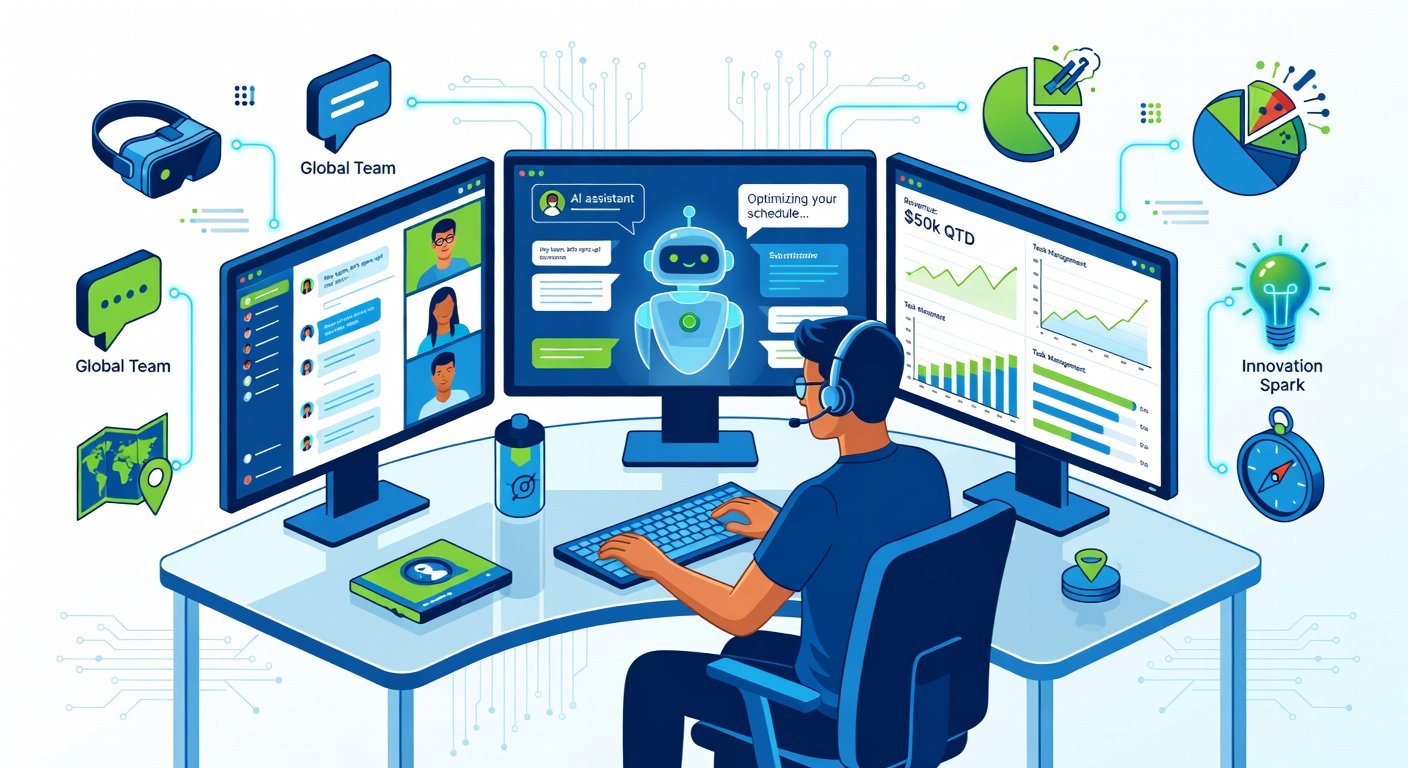
Artificial intelligence is no longer a buzzword—it's the backbone of efficient freelancing. In 2026, tools like advanced AI assistants (think next-gen versions of ChatGPT or custom AI workflows) automate routine tasks, allowing you to focus on high-value creative work. For instance, AI can handle content generation, data analysis, or even client outreach, saving hours each week.
Why is this crucial? Freelancers using AI report up to 40% productivity gains, enabling them to take on more projects without burnout. Key tools include AI-powered project managers like Notion AI or specialized platforms for graphic design, such as Adobe Sensei integrations.
To get started:
- Experiment with free tiers of AI tools to automate your workflow—start by integrating an AI scheduler into your calendar.
- Learn prompt engineering: Craft precise instructions for AI to generate tailored outputs, like marketing copy or code snippets.
- Stay updated via resources like the Coursera AI courses, which offer certifications in machine learning basics.
Mastering AI isn't about replacing your skills; it's about amplifying them. Freelancers who integrate AI seamlessly often command premium rates in fields like content creation and software development.
2. Virtual Collaboration Mastery
Remote work means teams scattered across time zones, so excelling in virtual collaboration is non-negotiable. In 2026, tools like immersive VR meeting platforms (e.g., enhanced Zoom with spatial audio or Meta's Horizon Workrooms) make interactions feel more natural, but success hinges on communication skills.
Top freelancers build trust through clear, empathetic interactions. This includes using asynchronous tools like Slack threads or Loom videos for updates, reducing meeting fatigue. Cultural sensitivity is key too, as global clients expect awareness of diverse work styles.
Practical tips:
- Adopt a 'default to async' mindset: Share progress via shared docs rather than live calls.
- Practice active listening in virtual settings—use tools like Otter.ai for transcription to ensure nothing is missed.
- Join communities on platforms like Upwork to collaborate on small projects and build your virtual teamwork portfolio.
Freelancers who excel here often secure long-term contracts, as clients value reliable partners who bridge geographical gaps effortlessly.
3. Niche Expertise in Emerging Gig Economy Sectors
Generalists are fading; specialists shine in 2026's gig economy. Focus on niches like green energy consulting, AI ethics auditing, or metaverse design. These sectors are booming due to regulatory changes and tech innovations, creating demand for experts who can deliver targeted value.
For example, a freelancer specializing in sustainable web development might help companies optimize sites for low-carbon hosting, aligning with global ESG standards. Niche expertise allows you to charge higher rates—often 20-50% more than generalists—by positioning yourself as the go-to authority.
How to identify and build your niche:
- Analyze market trends using reports from sites like Freelancers Union.
- Start small: Offer pro bono services in your chosen niche to build case studies.
- Certify your skills through industry-specific programs, such as blockchain courses on edX.
Remember, niches evolve—regularly audit your expertise to stay ahead of curves like quantum computing applications in freelancing.
4. Digital Security and Self-Management
In a remote world, cybersecurity is paramount. Freelancers handle sensitive client data, so skills in secure file sharing (e.g., using encrypted tools like Signal or Proton Drive) and basic threat detection are essential. Pair this with strong self-management: Time-blocking apps like Toggl help maintain work-life balance amid distractions.
Common pitfalls include weak passwords or unsecured Wi-Fi—avoid them by enabling two-factor authentication everywhere and using VPNs for public networks. Self-motivated freelancers treat their business like a startup, setting KPIs for client acquisition and revenue goals.
Actionable Steps to Upskill as a Remote Freelancer
Acquiring these skills doesn't require a full-time commitment. Leverage online platforms and side hustles for targeted growth.
Online Platforms for Learning
Platforms like Coursera, Udemy, and LinkedIn Learning offer bite-sized courses tailored to freelancers. For AI skills, enroll in a 10-hour prompt engineering module; for collaboration, try virtual team-building simulations.
Budget-friendly options abound—many courses are under $50, with free audits available. Dedicate 5-10 hours weekly: Week 1 for AI basics, Week 2 for tool integration.
Side Hustle Experiments
Test skills through low-risk side gigs. On Fiverr or Upwork, offer introductory services in your niche, like AI-optimized social media audits. Track results: What worked? Adjust based on feedback.
Experimentation builds confidence. One approach: Dedicate one project per month to a new tool, documenting your process for a personal portfolio. This not only hones skills but attracts clients who see your proactive learning.
Mistakes to avoid:
- Overcommitting to courses without application—always pair learning with practice.
- Ignoring soft skills; technical prowess alone won't land repeat business.
- Neglecting networking; join freelancer forums like Reddit's r/freelance for peer advice.
Success Stories: Digital Nomads Leveraging These Skills
Real-world examples inspire action. Take Alex Rivera, a digital nomad from Mexico who transitioned from graphic design to AI-enhanced UX freelancing. By mastering tools like Midjourney for rapid prototyping, Alex secured contracts with European startups, earning a sustainable income while traveling Southeast Asia.
Another is Priya Singh, an Indian freelancer specializing in virtual collaboration for remote teams. She built a niche in training multicultural groups using VR platforms, landing gigs with Fortune 500 companies. Priya's side hustle? Hosting webinars on async communication, which snowballed into her six-figure client base.
These stories highlight a pattern: Upskilling via platforms like LinkedIn Learning and experimenting with niches led to high-paying remote jobs. Digital nomads like them emphasize adaptability—regularly pivoting based on market shifts ensures longevity.
Conclusion: Your Path to Freelance Success in 2026
Thriving as a remote freelancer in 2026 demands proactive skill-building in AI, collaboration, and niches, backed by consistent upskilling and experimentation. Start today: Pick one skill, enroll in a course, and launch a side hustle. The gig economy rewards those who evolve with it, opening doors to financial freedom and global adventures. With the right toolkit, you could be the next success story—remote, resilient, and richly rewarded.


No comments yet. Be the first!