 Jobboy

Introduction
In the fast-paced talent landscape of 2026, mid-sized companies face intense competition for skilled professionals. Reducing time-to-hire has become a critical priority because prolonged hiring cycles can lead to lost productivity, increased workload on existing teams, and missed business opportunities. This comprehensive guide explores practical, actionable methods to accelerate the hiring process while upholding high standards for candidate quality. The strategies discussed integrate directly with existing talent acquisition workflows, emphasizing proven HR techniques such as refined sourcing, efficient interviewing, and targeted process improvements. By focusing on real-world applications from growing organizations, recruiters can implement changes that deliver measurable results without requiring entirely new systems or disruptive overhauls.
Setting Realistic Benchmarks
Before implementing any changes, it is essential to establish realistic benchmarks based on your organization's historical performance and industry context. Begin by reviewing past hiring data for similar roles, calculating average days from requisition approval to offer acceptance. Many mid-sized firms aim for a 30- to 50-day cycle for professional positions, though this varies by industry and role complexity. Use resources from SHRM to compare your metrics against broader standards. Document specific stages where delays commonly occur, such as requisition posting or final approvals. Setting benchmarks also involves aligning with business goals, such as supporting seasonal growth or project launches. Teams that revisit these benchmarks quarterly often achieve more consistent improvements because they can adjust targets as market conditions evolve.
Streamlining Sourcing Channels
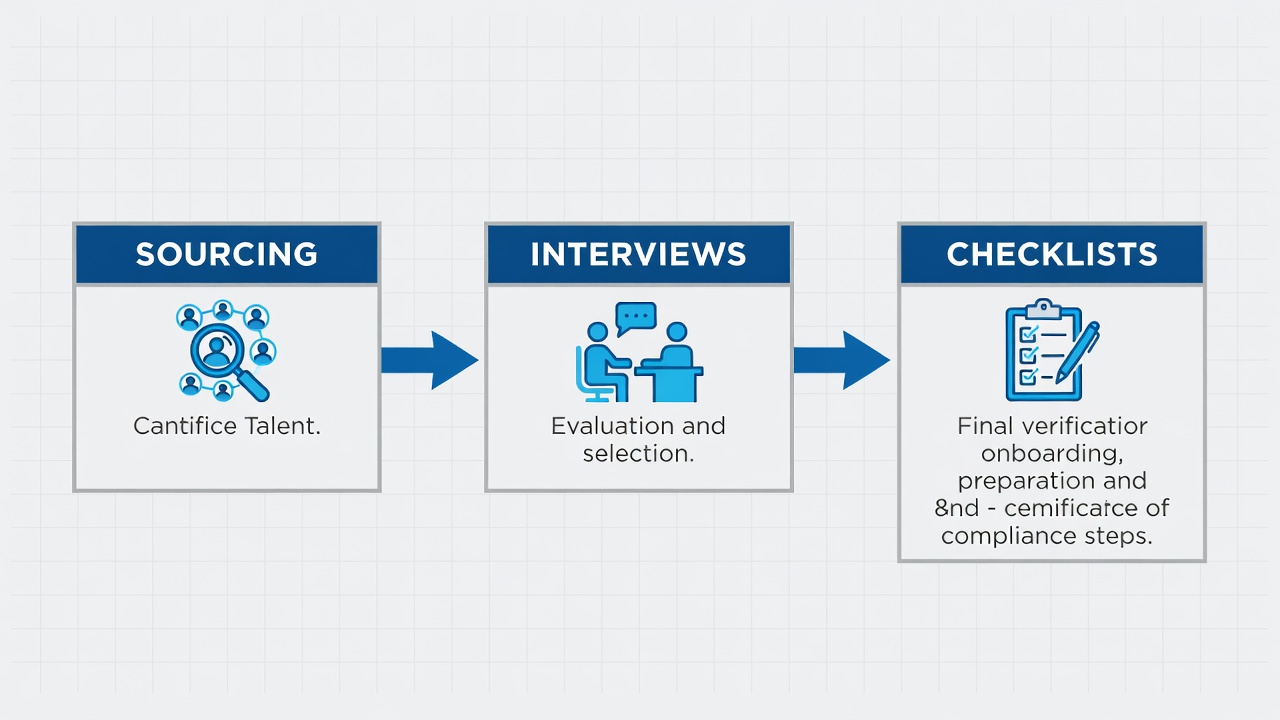
Effective sourcing starts with identifying channels that consistently deliver qualified candidates quickly. Prioritize employee referral programs, which frequently yield faster hires due to pre-vetted networks. Supplement this with targeted postings on industry-specific job boards and active engagement on professional networks. Mid-sized companies have successfully reduced sourcing time by creating dedicated internal mobility initiatives that encourage current employees to apply for open roles first. Additionally, building relationships with local universities or professional associations can create a steady pipeline of candidates. The key is to track which sources produce the highest response rates and shortest time from application to interview. By narrowing focus to three or four high-performing channels rather than spreading efforts across many, recruiters free up time for personalized outreach that improves candidate engagement from the outset.
Optimizing Interview Processes
Interview optimization requires careful redesign of each stage to eliminate unnecessary delays while preserving thorough evaluation. Start by mapping the current interview flow and identifying redundant steps, such as multiple overlapping conversations with the same stakeholders. Implement structured interview guides with predefined questions and scoring rubrics to ensure consistency and speed up decision-making. Many organizations have shortened their processes by incorporating asynchronous video interviews for initial screening, allowing candidates to record responses at their convenience and reducing scheduling conflicts. For later stages, limit panel sizes to three or four essential participants and set clear deadlines for feedback collection, typically within 24 hours. Real-world examples from technology and healthcare mid-sized firms demonstrate that these adjustments can cut overall interview time by 20 to 30 percent without affecting quality. Training hiring managers on efficient evaluation techniques further supports faster yet reliable outcomes.
Leveraging Workflow Automation
Workflow automation offers a practical way to handle repetitive administrative tasks that often extend hiring timelines. Integrate basic automation features within your existing applicant tracking system to manage interview scheduling, send automated status updates to candidates, and route approvals through predefined paths. Begin with simple triggers, such as automatic calendar invites once a candidate reaches a certain stage, to minimize back-and-forth emails. Mid-sized companies report that even modest automation implementations reduce administrative burden on recruiters by freeing several hours per week. The focus should remain on compatibility with current tools rather than adopting complex new platforms. Regular audits of automated workflows help identify any friction points and ensure the system continues to support rather than hinder the human elements of recruitment.
Common Bottlenecks to Avoid
Recognizing and addressing common bottlenecks prevents unnecessary extensions to the hiring cycle. Slow feedback from hiring managers is a frequent culprit; establish standing check-ins or shared digital workspaces where feedback can be logged promptly. Unclear job descriptions also create delays by attracting mismatched applicants, so invest time upfront in refining requirements with input from multiple team members. Excessive approval layers, particularly in organizations with multiple departments, can be streamlined by delegating decision authority for standard roles. Another frequent issue involves misaligned stakeholder expectations, which can be mitigated through early alignment meetings. By systematically reviewing each stage of the process every few months, teams can surface emerging bottlenecks before they become entrenched patterns.
Measuring Success Through Specific KPIs
Tracking the right key performance indicators provides objective evidence of progress and highlights areas needing refinement. Core metrics include time-to-hire, measured from requisition to accepted offer, alongside quality-of-hire indicators such as 90-day performance ratings and retention rates. Additional useful KPIs encompass offer acceptance rates, source effectiveness ratios, and candidate net promoter scores collected through brief post-process surveys. BLS data can serve as an external reference point for contextualizing internal results. Establish a monthly dashboard review process where recruiters and hiring managers discuss trends and make data-informed adjustments. This disciplined measurement approach ensures that speed improvements do not come at the expense of long-term talent outcomes.
Step-by-Step Implementation Checklist
- Conduct a full audit of current hiring data spanning the past 12 months and define clear benchmarks.
- Map all sourcing channels and rank them by response quality and speed, then concentrate efforts on the top performers.
- Redesign the interview process by consolidating stages and creating standardized guides for all participants.
- Configure basic automation rules in your existing applicant tracking system for scheduling and communications.
- Provide targeted training sessions for recruiters and hiring managers on the updated procedures.
- Build a simple KPI dashboard and schedule recurring review meetings to monitor progress.
- Run a controlled pilot with one or two open roles before expanding changes across the entire organization.
- Document lessons learned and update internal playbooks to support ongoing refinement.
FAQ
How can small teams apply these strategies without extra resources?
Focus first on no-cost adjustments such as standardizing email templates, strengthening referral incentives, and establishing clearer feedback deadlines. These foundational steps create immediate efficiency gains that can later support gradual introduction of light automation features.
What if hiring managers resist process changes?
Share anonymized data showing reduced time-to-hire alongside maintained or improved quality metrics from pilot programs. Involving managers early in process design sessions also builds ownership and increases willingness to adopt new approaches.
How do these methods maintain candidate quality?
Structured interviews, clear evaluation criteria, and consistent scoring ensure decisions remain objective. By removing administrative delays rather than skipping assessment steps, organizations preserve thoroughness while accelerating the overall timeline.
Can these tactics work across different industries?
Yes, the core principles of benchmarking, channel prioritization, and feedback discipline apply broadly. Industry-specific adjustments, such as emphasizing technical assessments in engineering roles, can be layered on top of the foundational strategies.
Conclusion
Successfully reducing time-to-hire in 2026 requires a balanced combination of strategic planning, process discipline, and ongoing measurement. By setting clear benchmarks, refining sourcing and interview practices, addressing bottlenecks proactively, and tracking relevant KPIs, mid-sized companies can achieve faster hiring cycles that support business objectives without sacrificing candidate quality. The step-by-step checklist provides a practical roadmap for implementation, while the FAQ section addresses common concerns that arise during adoption. Start with the areas that align most closely with current pain points to build early wins and organizational momentum. Consistent application of these methods positions talent acquisition teams to thrive in a competitive market while delivering stronger outcomes for both candidates and the business.


No comments yet. Be the first!