 Jobboy

Introduction to Networking and Career Advancement
Networking is a cornerstone of professional success, often opening doors to new opportunities, mentors, and collaborations. However, many professionals unknowingly commit mistakes that undermine their efforts and hinder career growth. Whether you're attending industry conferences or connecting on LinkedIn, avoiding these pitfalls can make a significant difference in your trajectory.
In this article, we'll explore the most common networking errors, from mishandling events to neglecting follow-ups, and provide actionable insights to help you build meaningful relationships that propel your career forward.
Common Networking Mistakes to Avoid
Understanding these frequent missteps is the first step toward effective networking. Let's dive into the top issues that could be holding you back.
1. Treating Networking as a Transactional Exchange
One of the biggest pitfalls is viewing networking solely as a means to get something—like a job referral or business lead—without investing in genuine relationships. This transactional mindset can come across as insincere, turning potential allies away.
Instead, focus on mutual value. Ask about others' challenges and offer help where you can, even if it's not immediately reciprocal. Building trust takes time, but it leads to stronger, more enduring professional bonds.
2. Failing to Follow Up After Events
Attending a networking event is just the beginning; the real work happens afterward. A staggering number of professionals collect business cards but never reach out, letting opportunities slip away.
To avoid this, send a personalized follow-up email within 24-48 hours. Reference a specific conversation point to jog their memory and suggest a next step, like a coffee chat. Consistency in follow-ups demonstrates reliability and keeps you top-of-mind.
3. Neglecting Your Online Presence
In today's digital age, networking isn't confined to in-person events. Ignoring platforms like LinkedIn means missing out on a vast network of professionals. A weak or outdated profile can undermine your credibility.
Optimize your LinkedIn profile with a professional photo, detailed experience, and endorsements. Engage regularly by commenting on posts and sharing insights. For guidance on building a strong online network, check out .
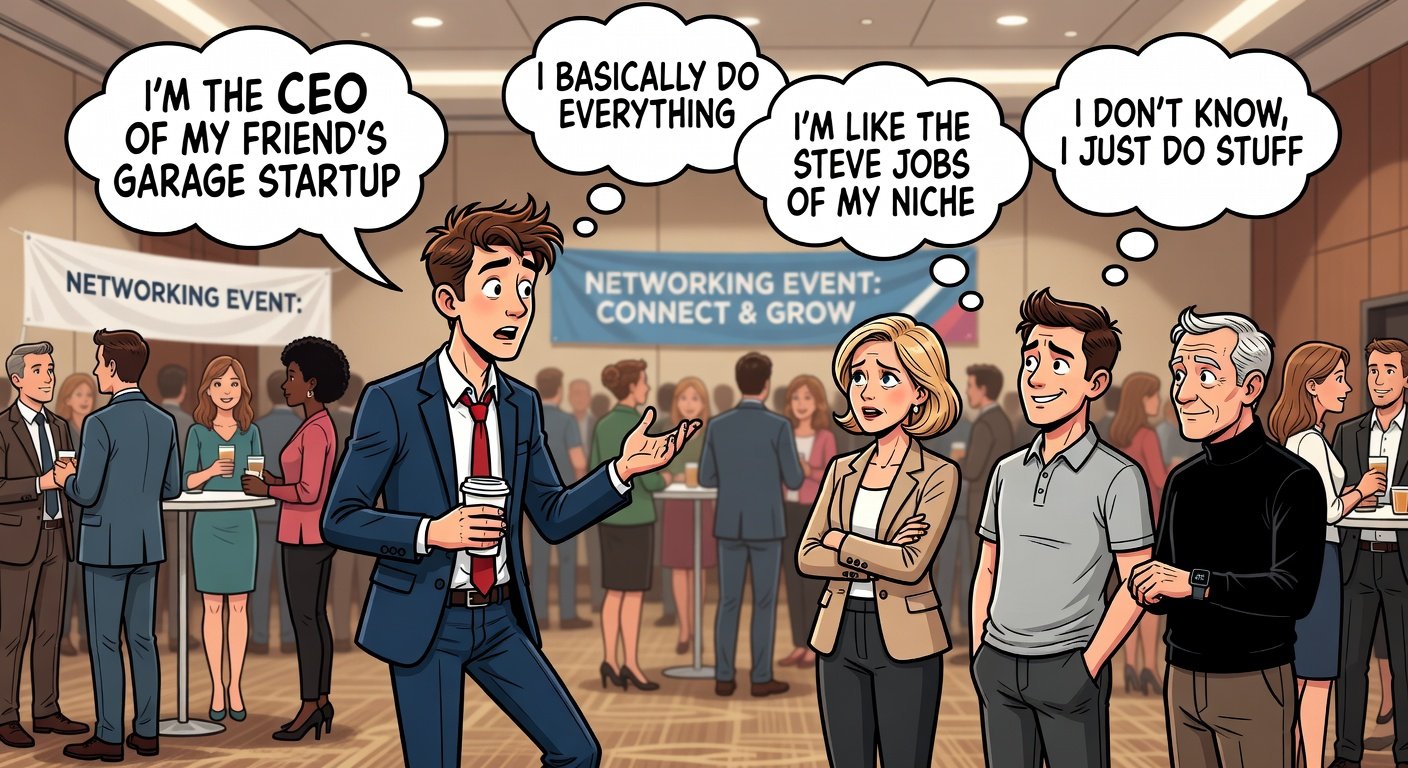
4. Delivering a Poor Elevator Pitch
Your elevator pitch is your 30-second introduction, but many fumble it by rambling or focusing too much on themselves without context. A vague or overly salesy pitch fails to spark interest.
Craft a concise pitch that highlights your unique value: who you are, what you do, and how you help others. Practice it until it flows naturally, and tailor it to your audience. Remember, the goal is to invite further conversation, not to close a deal on the spot.
5. Overlooking the Power of Weak Ties
Strong ties—like close colleagues—are valuable, but research shows that weak ties (acquaintances) often provide the most novel opportunities. Dismissing casual connections in favor of deep ones limits your reach.
Make an effort to nurture these lighter relationships through occasional check-ins or shares. Events like alumni gatherings are perfect for expanding your weak tie network without overwhelming effort.
6. Being Too Pushy or Inauthentic
Enthusiasm is great, but coming on too strong—such as immediately asking for favors—can alienate people. Similarly, faking interest or name-dropping excessively erodes trust.
Authenticity wins. Listen more than you speak, show genuine curiosity, and let relationships develop organically. If you're unsure about professional etiquette, resources from offer excellent advice on building rapport.
7. Ignoring Diversity in Your Network
A homogenous network reinforces echo chambers and limits perspectives. Failing to seek diverse connections—across industries, backgrounds, or demographics—stunts innovation and opportunity.
Actively attend inclusive events and join groups focused on underrepresented voices. A diverse network not only broadens your horizons but also enhances your problem-solving skills and market understanding.
How to Navigate Networking Events Effectively
Networking events can feel daunting, but preparation is key. Start by setting clear goals: aim to make 3-5 meaningful connections rather than collecting dozens of contacts.
Research attendees in advance via event apps or LinkedIn. Dress appropriately, arrive early to mingle before crowds form, and have your pitch ready. During conversations, use open-ended questions like "What challenges are you facing in your role?" to foster dialogue.
After the event, organize your notes and prioritize follow-ups. Tools like CRM apps or simple spreadsheets can help track interactions and remind you to nurture relationships over time.
Maintaining Professional Relationships Long-Term
Networking isn't a one-off activity; it's about sustained engagement. Schedule regular touchpoints, such as quarterly emails or annual meetups, to keep connections alive.
Celebrate others' successes with congratulations on promotions or publications. Offer value by sharing relevant articles or introductions. Over time, this reciprocity builds a supportive network that aids your career at every stage.
Consider joining professional associations for structured opportunities. For instance, industry groups provide forums for ongoing interaction and skill-building.
The Impact of Networking Mistakes on Career Prospects
Poor networking can lead to missed promotions, stalled projects, or even reputational damage. In a competitive job market, those with robust networks often hear about openings before they're posted publicly.
Conversely, mastering networking accelerates advancement. Studies indicate that up to 85% of jobs are filled through connections, underscoring the need to avoid these pitfalls.
Conclusion: Build Your Network Wisely
Avoiding common networking mistakes requires intention and practice, but the rewards—enhanced opportunities, mentorship, and support—are immense. Start small: attend one event this month, refine your pitch, and commit to follow-ups.
By navigating events thoughtfully, maintaining authentic relationships, and embracing diverse connections, you'll position yourself for sustained career growth. Remember, your network is your net worth—invest in it wisely.


No comments yet. Be the first!