 Jobboy

Introduction to Equity Refresh Negotiations in 2026
Senior tech professionals frequently receive a significant portion of their compensation through equity, particularly restricted stock units. As market dynamics evolve, negotiating equity refreshes becomes essential to sustain competitive total compensation packages. In 2026, successful negotiations require mastery of advanced valuation techniques, precise timing, tax-efficient strategies, and seamless integration with base salary and performance bonuses. This comprehensive guide builds on established playbooks to address the unique challenges faced by mid-to-late career leaders in both public and private technology firms.
Advanced RSU Valuation Methods
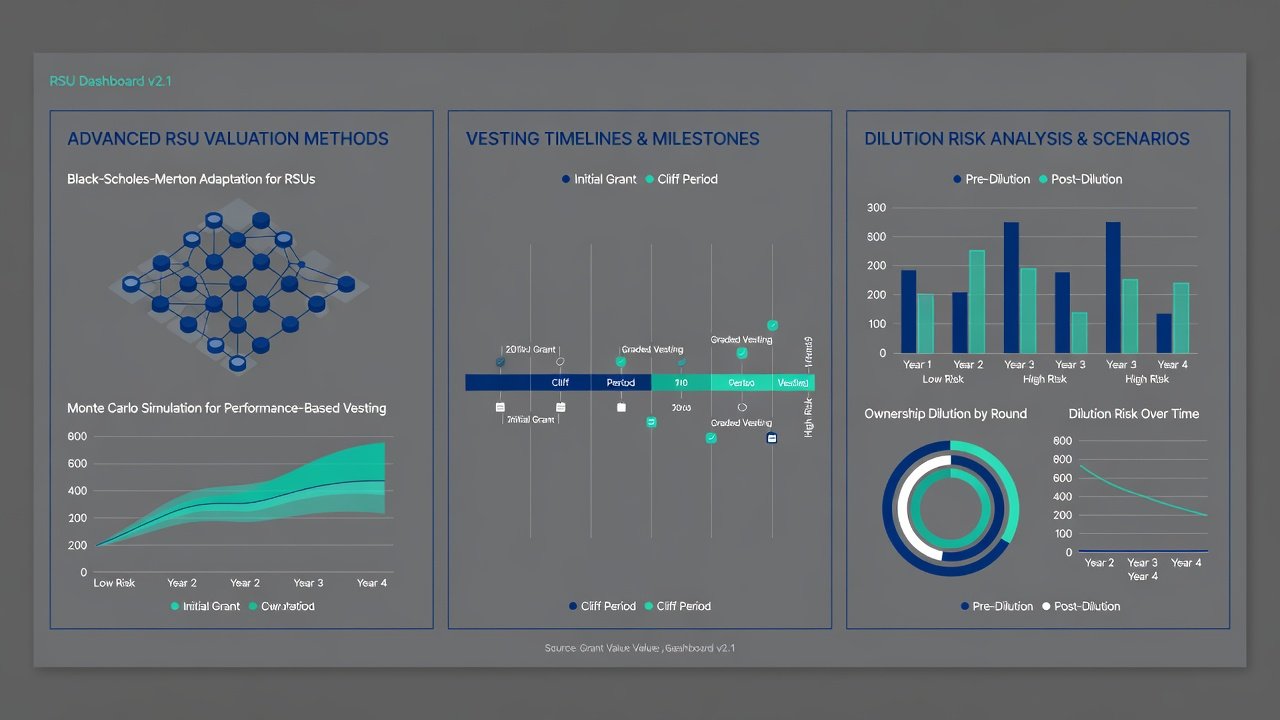
Effective RSU valuation extends far beyond basic grant-date accounting. Senior professionals should employ multi-factor models that incorporate expected stock volatility, dividend yields, and risk-free rates using frameworks such as the Black-Scholes-Merton model enhanced with Monte Carlo simulations for awards subject to performance hurdles. Analysts often compare proposed grants against 90-day volume-weighted average prices while projecting forward dilution from anticipated share issuances or acquisitions. Scenario planning helps quantify outcomes under different market conditions, enabling negotiators to articulate the true long-term value of a refresh proposal during discussions with compensation committees or founders.
Optimal Timing for Refresh Cycles
Strategic timing maximizes leverage during refresh conversations. Align requests with annual performance reviews, fiscal year boundaries, or immediately following major product milestones that demonstrate individual impact. Public company employees benefit from approaching leadership after quarterly earnings releases when share prices typically stabilize. Private firm professionals should monitor funding announcements or board meetings, as these events often trigger equity recalibrations. Delaying discussions until after key achievements allows candidates to present stronger retention arguments backed by recent accomplishments.
Tax Optimization Tactics
Tax efficiency plays a critical role in preserving the net value of equity refreshes. Professionals can defer recognition by coordinating vesting schedules with anticipated lower-income periods or by establishing residency in states with favorable tax treatment before large releases occur. For private company grants, early 83(b) elections may reduce future tax burdens when valuations remain modest. High-net-worth individuals sometimes explore charitable remainder trusts or donor-advised funds to manage concentrated positions. Reviewing the latest guidance from official resources such as IRS.gov ensures compliance while identifying opportunities to minimize ordinary income treatment on accelerated vesting events.
Step-by-Step Negotiation Scripts
Preparation begins with assembling personalized data including current unvested holdings, projected vesting schedules, and comparable grants from peer organizations. A strong opening statement might emphasize retention value: "My contributions over the past three years have directly supported revenue growth targets, and aligning my equity position with current market levels will ensure continued focus on long-term objectives." When facing initial resistance, pivot to total compensation framing by highlighting gaps relative to base salary and bonus components. Follow-up scripts should propose specific vesting structures and request written responses within defined timeframes to maintain momentum.
Public vs Private Firm Refresh Comparisons
- Public companies provide transparent market pricing and standardized four-year vesting with one-year cliffs, yet they expose holders to broader dilution from company-wide equity programs.
- Private organizations offer potentially higher upside through illiquid grants but require careful evaluation of 409A valuations, liquidation preferences, and participation rights in future rounds.
- Public refreshes often include clearer performance metrics tied to stock performance, while private refreshes may incorporate milestone-based vesting tied to funding or exit events.
Understanding these structural differences allows negotiators to tailor asks appropriately for each environment.
Real-World Examples from Mid-to-Late Career Professionals
A vice president of engineering at a mature public software company successfully refreshed equity by presenting a three-year vesting analysis that revealed substantial unvested balances remaining. By demonstrating alignment between personal contributions and company milestones, the executive secured an enhanced grant with favorable acceleration terms. In another case, a director of product management at a late-stage private startup used detailed cap-table modeling to negotiate protective provisions against dilution during an upcoming funding round, resulting in improved retention incentives that accounted for both base salary adjustments and variable bonus opportunities.
Handling Vesting Acceleration and Dilution Risks
Acceleration clauses protect against unforeseen events such as acquisitions or leadership changes. Single-trigger provisions activate upon change of control, while double-trigger arrangements require both an acquisition and subsequent termination. Dilution risk mitigation involves requesting anti-dilution adjustments or priority allocation in future grants. Regular review of capitalization tables and proactive discussions with finance teams help anticipate and address potential erosions in ownership percentage over time.
Integrating Equity with Total Compensation
Equity refreshes should complement rather than replace other compensation elements. Professionals typically target equity representing a substantial share of overall pay for senior positions, adjusting proportions based on company maturity and individual risk tolerance. A practical approach involves creating a total compensation model that factors projected bonus attainment, salary progression, and equity upside under various stock performance scenarios. This integrated view supports more persuasive discussions with hiring managers or current employers.
Common Mistakes to Avoid During Negotiations
Many senior professionals undervalue their position by accepting initial offers without counter-proposals or by focusing exclusively on grant size rather than vesting terms and protections. Another frequent error involves neglecting to document verbal agreements in writing or failing to benchmark against recent peer data from regulatory filings available through SEC.gov. Avoiding these pitfalls requires methodical preparation and clear communication of priorities.
Preparing Your Negotiation Package and Post-Negotiation Follow-Up
Compile a professional package containing updated resume highlights, quantified achievements, and a one-page compensation summary. After initial discussions, send a concise follow-up email summarizing agreed points and outstanding items. Maintaining professional relationships throughout the process increases the likelihood of favorable outcomes even when full requests are not immediately granted.
FAQs on Counteroffers and Benchmarks
How should I handle a counteroffer from my current employer? Evaluate the full package including vesting schedules and protections rather than reacting solely to headline numbers. Reference recent market data to justify any remaining gaps.
What benchmarks strengthen asks in 2026? Leverage aggregated data from compensation surveys and public company disclosures to demonstrate how proposed refreshes align with or exceed peer standards for comparable experience and responsibility levels.
Should I involve external advisors? Compensation consultants or employment attorneys can provide objective analysis of complex grant terms, particularly when navigating private company nuances or multi-jurisdictional tax considerations.

No comments yet. Be the first!