 Jobboy

Introduction: The Shift from Traditional Gig Platforms to Web3
The freelance landscape is evolving rapidly as blockchain technology introduces decentralized alternatives to platforms like Upwork and Fiverr. In 2026, forward-thinking digital nomads are turning to Web3 freelancing to gain greater control over payments, portfolios, and client relationships. This approach leverages smart contracts for automated, trustless transactions, NFT-based portfolios for verifiable credentials, and DAOs for community-driven opportunities. Unlike conventional remote jobs, Web3 freelancing emphasizes ownership, transparency, and borderless collaboration that can withstand platform policy changes or economic shifts.
Search intent around this topic often comes from professionals seeking side hustles or full transitions to online work that resists economic volatility and platform dependency. This guide covers the essentials with practical depth, including setup processes, real examples, risk management, and monetization paths. By understanding these elements, readers can make informed decisions about integrating Web3 into their careers.
What Makes Web3 Freelancing Different?
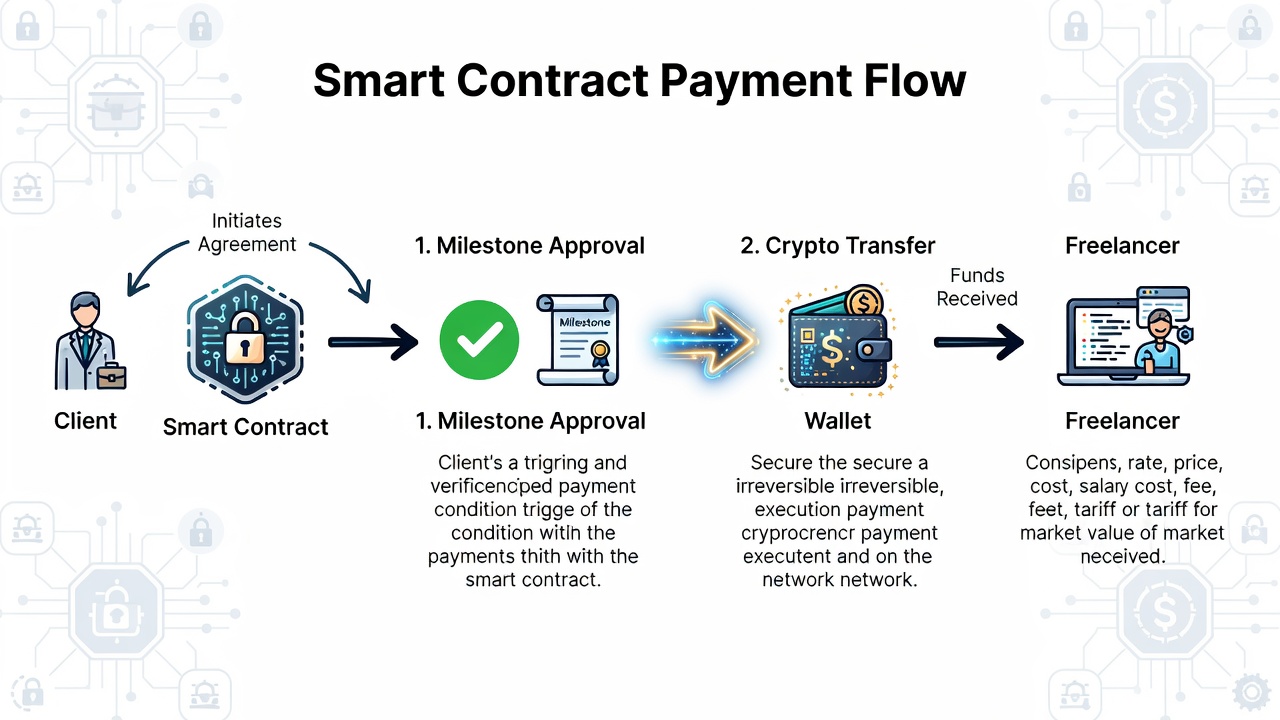
Traditional freelancing relies on centralized intermediaries that take cuts and control escrow. Web3 removes these layers through blockchain networks where transactions are recorded immutably. Payments occur directly via cryptocurrency wallets, secured by smart contracts that release funds only upon milestone completion. Portfolios shift from static websites to NFT collections on platforms like OpenSea, proving ownership and authenticity of work samples without relying on third-party verification.
DAOs (Decentralized Autonomous Organizations) serve as matching hubs where freelancers join communities to bid on projects collectively. This model fosters peer governance and shared revenue, contrasting with the isolated nature of conventional remote roles. As of mid-2026, adoption is accelerating among tech-savvy creatives and developers seeking autonomy from traditional corporate structures.
Core Web3 Tools for Freelancers
Understanding the toolkit is essential for success. Smart contracts automate agreements using code on networks like Ethereum, eliminating the need for manual invoicing. NFT portfolios allow minting work samples as unique tokens, building a verifiable professional history that clients can inspect on-chain. DAOs facilitate client matching through proposal systems and voting mechanisms that prioritize merit over connections.
Additional elements include decentralized storage solutions like IPFS for hosting deliverables securely and wallet integrations for seamless crypto payouts. These tools reduce fraud risks and eliminate payment delays common in fiat-based systems. Freelancers also benefit from token-gated communities that provide exclusive access to high-value opportunities.
Step-by-Step Setup Guide for Web3 Freelancing
- Create a secure crypto wallet using MetaMask or a hardware option, backing up your seed phrase offline to prevent loss of access.
- Connect to a blockchain network and acquire a small amount of ETH or other gas tokens for transactions, starting with testnet environments for practice.
- Mint your first NFT portfolio pieces by uploading work samples to a marketplace and adding metadata like project descriptions and timestamps.
- Join relevant DAOs via platforms that support proposal-based gigs, starting with low-commitment communities to learn governance norms and culture.
- Set up a smart contract template for client agreements, customizing terms for deliverables, timelines, and payment triggers while testing on a sandbox.
- Build your online presence by linking your wallet address and NFT collection across professional networks and decentralized social platforms.
Following these steps typically takes one to two weeks for beginners with basic tech familiarity, allowing time for experimentation without financial risk.
Real-World Case Studies
Consider a graphic designer who transitioned in 2025 by minting portfolio NFTs. Within months, DAO proposals led to consistent blockchain-based projects, bypassing traditional platform fees and building direct relationships with clients worldwide. Another example involves a software developer using smart contracts for milestone payments on decentralized apps, achieving faster settlements than bank transfers and gaining repeat business from transparent on-chain histories.
A third case features a content writer who joined a writing-focused DAO, contributing proposals that evolved into long-term contracts paid in stablecoins. These stories highlight how early adopters leverage transparency to attract premium clients who value verifiable on-chain histories over traditional resumes.
Comparing Web3 Freelancing to Conventional Remote Jobs
Conventional roles often provide steady paychecks but involve taxes withheld by platforms, strict rules on client interactions, and limited ownership of work. Web3 offers global access without geographic restrictions and direct earnings retention, though it introduces volatility in crypto values that requires active management. Skill transfer is high: coding, design, and writing remain in demand, but additional blockchain literacy provides an edge in competitive bids.
Digital nomads report higher flexibility yet must manage self-directed taxes and security protocols. A comparison table in practice shows Web3 excelling in autonomy while traditional jobs win on predictability for those preferring stability.
Practical Tips: Risks, Skill-Building, and Monetization
Risks include smart contract vulnerabilities and market fluctuations; mitigate by auditing contracts through established services and diversifying income streams across multiple blockchains. Build skills through structured online courses on blockchain fundamentals and practice on testnets before live deployments. Monetization strategies encompass direct client work via DAOs, selling specialized NFT services, and staking tokens earned from community contributions for passive yields.
Always start small, verify wallet security regularly, and maintain traditional backup income during the transition period to buffer against unexpected events.
Common Mistakes to Avoid
- Neglecting seed phrase security, which can lead to permanent loss of funds and assets.
- Overcommitting to volatile cryptocurrencies without hedging strategies in place.
- Ignoring DAO governance participation, missing out on community-driven opportunities.
- Failing to document transactions thoroughly for tax compliance in your jurisdiction.
Navigating Legal and Tax Considerations
Web3 freelancers must stay informed about evolving regulations in their home countries. Many jurisdictions treat cryptocurrency earnings as taxable income, requiring detailed records of wallet activity. Consulting professionals familiar with digital assets ensures compliance while maximizing legitimate deductions for tools and education.
Future Trends in Web3 Freelancing for 2026 and Beyond
Expect growth in AI-integrated smart contracts and cross-chain interoperability that simplifies multi-network work. More industries will adopt DAO models for talent acquisition, creating hybrid opportunities that blend Web3 with traditional employment. Staying updated through reputable sources positions freelancers ahead of these developments.
FAQs on Getting Started
- How do I handle taxes in Web3 freelancing? Track all crypto transactions meticulously and consult local regulations for reporting requirements specific to digital assets.
- What skills are most in demand? Smart contract development, Web3 UI design, and DAO community management lead the field with growing opportunities.
- Is it secure for beginners? Yes, with proper wallet practices, gradual onboarding via established communities, and starting on test networks.
- Can I combine Web3 with traditional freelancing? Absolutely, many professionals use Web3 for supplemental income while maintaining conventional clients.
Conclusion
Web3 freelancing represents a resilient path for career future-proofing in 2026. By mastering decentralized tools and strategies, professionals can unlock opportunities beyond traditional constraints. Begin with foundational setup today to position yourself at the forefront of this shift. For deeper exploration, review resources at ethereum.org, opensea.io, and ipfs.tech.


No comments yet. Be the first!