 Jobboy

Introduction to the Hidden Remote Job Market in 2026
The gig economy is booming, projected to encompass over 50% of the U.S. workforce by 2026, according to the Bureau of Labor Statistics. Yet, with mainstream platforms like Indeed and LinkedIn flooded with applicants, savvy job seekers are turning to underrated sources for unadvertised remote jobs and high-paying freelance opportunities. This guide uncovers niche job boards, insider networks, AI-powered tools, and real strategies to help you bypass the competition and secure flexible, lucrative online work.
Whether you're a developer seeking remote coding gigs or a marketer hunting freelance projects, these tactics focus on quality over quantity. Let's dive into how you can tap into this thriving market without relying on oversaturated sites.
Underrated Job Boards for Remote and Freelance Gigs
While big-name boards dominate searches, specialized platforms offer curated listings for remote roles that rarely see the light of day on general sites. These underrated gems prioritize quality postings from verified employers, reducing spam and increasing your chances of landing interviews.
- We Work Remotely: Focused exclusively on remote positions, this board features tech, design, and marketing jobs from startups and established companies. It's free to browse and updates daily with unadvertised opportunities.
- FlexJobs: A subscription-based site (around $15/month) that hand-screens remote and flexible jobs, filtering out scams. Ideal for freelancers in writing, virtual assistance, and customer support.
- Remote OK: Aggregates remote jobs across industries like programming and sales. Its simple interface lets you filter by salary, making it perfect for targeting high-paying gigs.
Pro tip: Set up daily email alerts on these boards using keywords like 'remote freelance' or 'virtual contractor' to catch postings within hours of upload. In 2026, as remote work normalizes post-pandemic, these sites will be goldmines for roles in emerging fields like AI ethics consulting and sustainable tech.
Niche Networks: Beyond LinkedIn for Insider Access
LinkedIn is great, but niche communities provide direct access to unadvertised jobs through word-of-mouth and referrals. These networks foster genuine connections with hiring managers and peers in specific industries.
- Reddit Subreddits: Communities like r/forhire, r/remotejobs, and r/digitalnomad are treasure troves for freelance gigs. Post your skills or respond to 'hiring' threads—many leads come from small businesses seeking quick remote hires.
- Industry-Specific Forums: For tech pros, try Hacker News (news.ycombinator.com); for creatives, Behance or Dribbble groups. These often lead to private invites for freelance projects.
- Slack and Discord Groups: Join remote work channels like 'Remote Work Hub' on Slack or 'Freelance Writers' on Discord. Members frequently share unposted opportunities, especially in growing sectors like e-commerce and content creation.
Building a profile in these spaces involves sharing value first—comment on discussions or offer free advice. Over time, this positions you as an expert, leading to referrals for gigs paying $50–$200/hour.
Leveraging AI Tools for Smarter Job Alerts
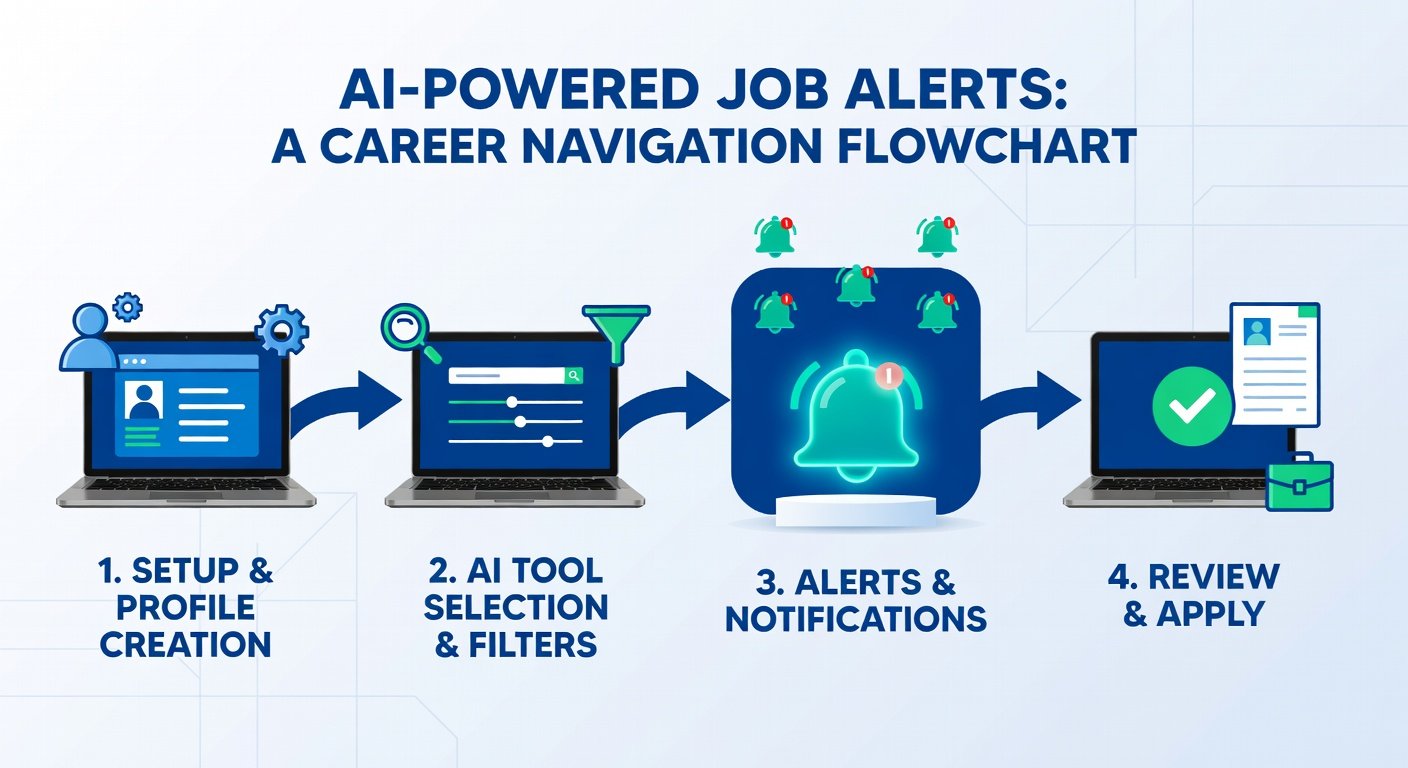
AI is revolutionizing job hunting in 2026, automating alerts and matching you to hidden opportunities. Forget manual searches; these tools scan the web, predict trends, and even draft applications.
- AI Job Matchers: Tools like Teal or Jobscan use AI to analyze your resume against unadvertised postings on niche sites. They suggest optimizations and alert you to matches before jobs go public.
- Custom Alerts with ChatGPT: Integrate free AI like ChatGPT to create personalized scripts for monitoring RSS feeds from job boards. For example, set up alerts for 'remote AI developer' gigs on emerging platforms.
- Predictive Analytics Platforms: Use LinkedIn's AI features (via LinkedIn) or Google Alerts combined with AI extensions to forecast openings in booming fields like cybersecurity freelancing.
By 2026, AI will handle 70% of routine job search tasks, per industry reports, freeing you to focus on networking. Start by inputting your skills into an AI tool and refining alerts weekly for the best results.
Building Referral Networks on Freelance Platforms
Referrals account for 40% of freelance hires, yet many overlook building them strategically. Platforms like Upwork and Fiverr are starting points, but the real power lies in cultivating ongoing relationships.
- Optimize Your Profile: On Upwork, complete your profile with a video intro and portfolio. Bid on 5–10 niche gigs weekly to build reviews, which unlock invites to private projects.
- Nurture Connections: After completing a gig, follow up with clients for testimonials and referrals. Join platform communities to collaborate with other freelancers—swapping leads can double your opportunities.
- Host Virtual Meetups: Use tools like Zoom to run free webinars on your expertise (e.g., 'SEO for Remote Marketers'). Attendees often become referral sources for high-paying gigs.
This approach turns one-off jobs into steady income streams. Freelancers who invest in networks report 2–3x higher earnings without cold applications.
Real-World Examples of Landing High-Paying Online Work
Meet Sarah, a graphic designer who ditched mainstream boards in 2025. By lurking in Dribbble groups and using AI alerts on Remote OK, she landed a $5,000/month remote contract with a tech startup—unadvertised and referral-based.
Then there's Mike, a software developer. He built a Slack network for indie game devs, leading to freelance gigs paying $100/hour. Using Teal's AI, he matched to 15 hidden postings in Q1 2026 alone.
These stories highlight a key trend: In the gig economy, persistence in niches yields results. The U.S. freelance market is expected to grow 15% annually, per BLS data (BLS), rewarding those who go beyond the obvious.
Actionable Steps to Tap into the Gig Economy
Ready to act? Follow this 7-day plan to uncover remote jobs without mainstream reliance:
- Day 1–2: Audit and Set Up: Update your portfolio and sign up for three underrated boards like We Work Remotely. Install an AI tool like Jobscan.
- Day 3–4: Network Dive: Join two niche communities (e.g., Reddit's r/forhire and a Slack group). Introduce yourself and engage daily.
- Day 5: AI Optimization: Create custom job alerts using ChatGPT scripts. Target 10 unadvertised gigs.
- Day 6: Referral Push: Reach out to past contacts on Upwork for endorsements. Bid on referral-friendly projects.
- Day 7: Track and Refine: Review applications and adjust strategies. Aim for one interview by week's end.
Consistency is key—dedicate 1–2 hours daily. By month two, you'll see a pipeline of opportunities in the evolving 2026 job landscape.
Embracing these underrated strategies positions you at the forefront of the gig economy. Start small, stay connected, and watch your remote career soar.


No comments yet. Be the first!