 Jobboy

Introduction
Landing a remote job in 2026 requires more than submitting applications through job boards. Social media platforms have become powerful tools for visibility, networking, and direct outreach. This guide covers platform-specific tactics for LinkedIn, X, and specialized communities, helping you optimize profiles, create engaging content, craft outreach messages, and measure results effectively. With the rise of the gig economy, professionals who actively use social media report faster connections to opportunities compared to traditional methods alone.
Optimizing Your LinkedIn Profile for Remote Opportunities
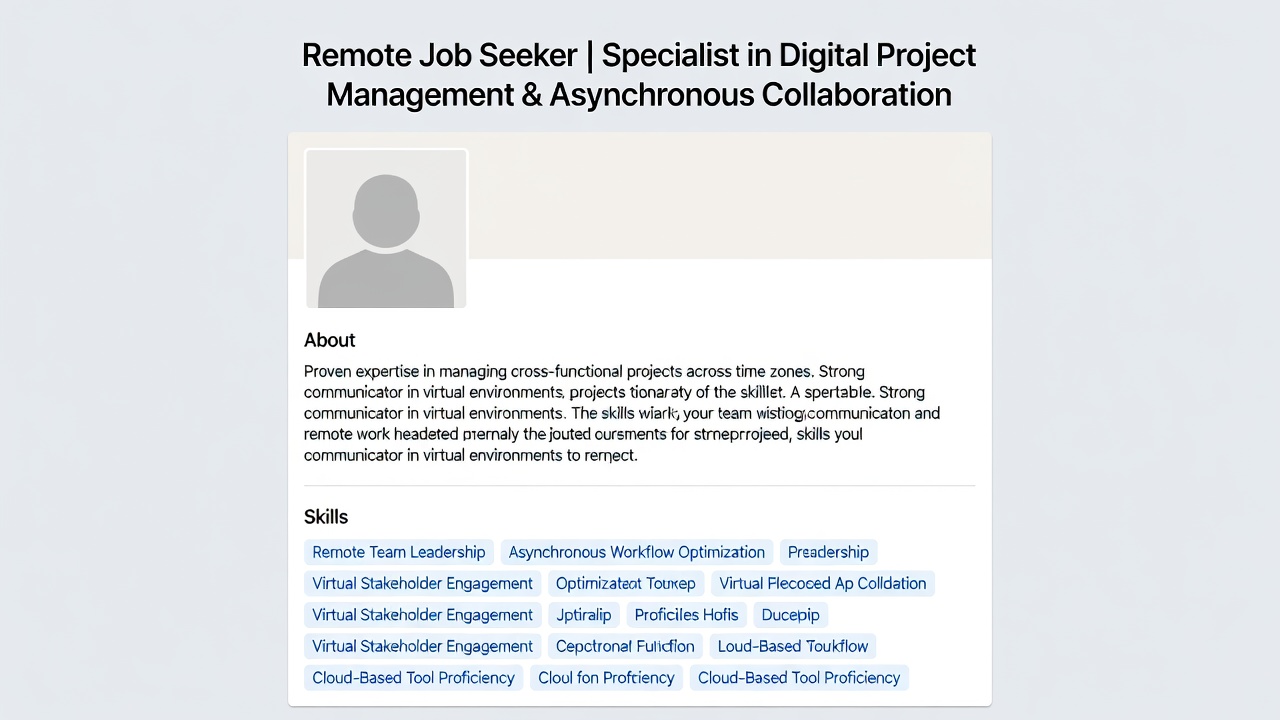
LinkedIn remains the top platform for professional networking and remote job discovery. Start by crafting a headline that includes keywords like "remote jobs" and your expertise, such as "Remote Software Engineer | Helping Companies Build Scalable Solutions in the Gig Economy." Use a professional headshot and a custom banner image that reflects your personal brand. Your experience section should emphasize remote-friendly achievements, including metrics like "Increased team productivity by 30% through virtual collaboration tools."
Your about section should tell a story while incorporating target keywords naturally. Highlight remote work experience, tools you're proficient in, and quantifiable achievements. Add relevant skills and request endorsements to boost credibility. Join and actively participate in LinkedIn groups focused on remote work and the gig economy. Update your location settings to "Open to remote work" and enable the open-to-work banner for recruiters. Many users overlook the featured section, where you can pin portfolio links or case studies demonstrating your remote capabilities.
Mastering X for Real-Time Remote Job Leads
X (formerly Twitter) offers immediate access to job postings and industry conversations. Optimize your bio with keywords and a call to action, like "Remote marketer seeking opportunities in the gig economy | DM for collabs." Follow recruiters, remote job accounts, and thought leaders in your field. Set up lists for quick monitoring of high-value accounts posting daily opportunities.
Post consistently about industry trends, share insights, and engage with others' content. Use hashtags such as #RemoteJobs and #GigEconomy to increase discoverability. Many recruiters post openings directly on X, making timely responses crucial. Create threads that solve common problems in your niche to attract inbound messages. For example, a thread on "5 Tools That Made My Remote Workflow 50% More Efficient" can drive profile visits and connection requests from hiring managers.
Leveraging Niche Communities and Forums
Beyond major platforms, niche communities on Reddit, Discord, and Slack channels provide targeted remote job opportunities. Search for subreddits like r/remotejobs or r/freelance and contribute value before asking for leads. In Discord servers dedicated to specific industries, introduce yourself and share relevant resources. These communities often feature unadvertised roles and insider tips. Build relationships by offering advice or collaborating on small projects to establish trust. Monitor daily threads where members share verified remote listings, and always verify opportunities through official channels before applying.
Creating Content That Boosts Visibility
Content creation positions you as an expert and attracts recruiters. Share case studies, tips on remote productivity, or breakdowns of gig economy trends. Use carousels on LinkedIn and threads on X for higher engagement. Consistency matters—aim for 3-5 posts per week. Include calls to action inviting connections or DMs about opportunities. Track which content types generate the most profile views and job inquiries. Experiment with video content, such as short Loom demos of your work, which performs especially well for remote technical and creative roles.
Outreach Scripts and Networking Tactics
Personalized outreach outperforms generic messages. A strong LinkedIn connection request might read: "Hi [Name], I admired your recent post on remote team management. I'd love to connect and learn from your experience in the gig economy." For follow-ups, reference specific details from their profile or content. On X, reply thoughtfully to job-related tweets before sending DMs. Always provide value first, such as sharing an article or offering feedback. Example email subject lines for cold outreach include "Quick Question About Remote Roles in [Industry]" to keep open rates high. Follow up politely after 7-10 days if no response.
Tracking Applications and Measuring Success
Use spreadsheets or tools like Notion to log applications, follow-ups, and responses. Key metrics include profile views, connection acceptance rates, engagement on posts, and interview conversion rates. Review weekly to refine your approach. Successful freelancers often report that consistent social activity leads to 2-3 times more inbound opportunities than passive applications alone. Set goals such as 20 new connections per week and monitor response rates to adjust messaging tone.
Advanced Strategies and a 30-Day Action Plan
Combine platforms by cross-promoting content, such as sharing your X thread on LinkedIn. Attend virtual events promoted on social media and follow up with speakers. Create a personal website linked in all profiles to serve as a central hub. For the first 30 days: Week 1 focuses on profile optimization across all platforms. Week 2 involves daily posting and initial outreach. Week 3 emphasizes community engagement and content refinement. Week 4 analyzes metrics and iterates. This structured approach maximizes momentum in a competitive market.
Case Studies of Successful Remote Job Seekers
One freelance designer optimized her LinkedIn with portfolio samples and began posting weekly design tips. Within six weeks, she received three remote contract offers. Another marketer used X threads to showcase campaign results, attracting a recruiter who offered a full-time remote role. A third example involves a developer who joined niche Slack communities and contributed code snippets, leading to a referral for a six-figure remote position within a month. These examples highlight the power of combining profile optimization with regular content and strategic outreach.
Common Pitfalls and Tools to Streamline the Process
- Avoid generic messages that get ignored.
- Don't neglect mobile optimization for profiles.
- Steer clear of over-posting promotional content without value.
- Never share sensitive personal information in public threads.
Helpful tools include Canva for visuals, Buffer for scheduling, and Hunter.io for finding contact details. Integrate these into your routine for efficiency. Additional resources like LinkedIn learning modules and X analytics dashboards provide deeper insights. Community platforms such as Reddit also offer dedicated spaces for remote job discussions.
Frequently Asked Questions
How long does it take to see results? Most users notice increased engagement within two to four weeks of consistent effort, with job offers often following shortly after.
Which platform should I prioritize? Start with LinkedIn for professional roles, then add X for speed and niche communities for specialized leads.
Is it okay to mention salary expectations early? Focus on fit first; discuss compensation after initial interest is established to avoid screening yourself out prematurely.
Conclusion
By mastering social media hacks tailored to remote jobs and the gig economy, you can accelerate your job search in 2026. Implement these strategies step by step, track your progress, and adjust based on results for the best outcomes. Start today to unlock faster access to fulfilling remote roles.


No comments yet. Be the first!