 Jobboy

Introduction: Mastering Work-Life Integration as a Freelance Parent in 2026
The gig economy continues to evolve, offering parents unprecedented flexibility to build careers from home. In 2026, remote freelance work allows parents to integrate professional goals with family responsibilities more seamlessly than ever before. This guide provides actionable strategies for beginners, focusing on time management, client boundaries, and sustainable practices to avoid burnout while maximizing productivity. Many digital nomad parents have successfully navigated this path by leveraging tools and routines tailored to school schedules and family needs. Whether you're a new freelancer or transitioning from traditional employment, these insights will help you create a balanced routine that supports both your career ambitions and your children's well-being. The rise of remote opportunities means parents no longer have to choose between financial independence and quality family time. Instead, thoughtful planning enables true integration of both worlds.
Choosing the Right Flexible Freelance Platforms
Selecting platforms that prioritize flexibility is crucial for long-term success. Popular options include Upwork, Fiverr, and Freelancer, which allow you to set your own hours and decline projects that conflict with family time. Focus on niches like writing, graphic design, virtual assistance, or web development that support asynchronous work and recurring client relationships. Research each platform's fee structures and client review systems before committing, as these factors influence your overall earnings and workload. Real-world example: Sarah, a freelance content writer and mother of two in Austin, Texas, uses Upwork to secure projects during school hours, earning consistent income while attending her children's afternoon activities. She started with small gigs to build reviews and now maintains a roster of five steady clients who respect her availability windows. Another parent, Marcus from Portland, combines Fiverr for quick design tasks with specialized freelance networks for higher-paying retainers, allowing him to scale income during summer breaks when kids are home more often.
Building a Supportive Home Workspace
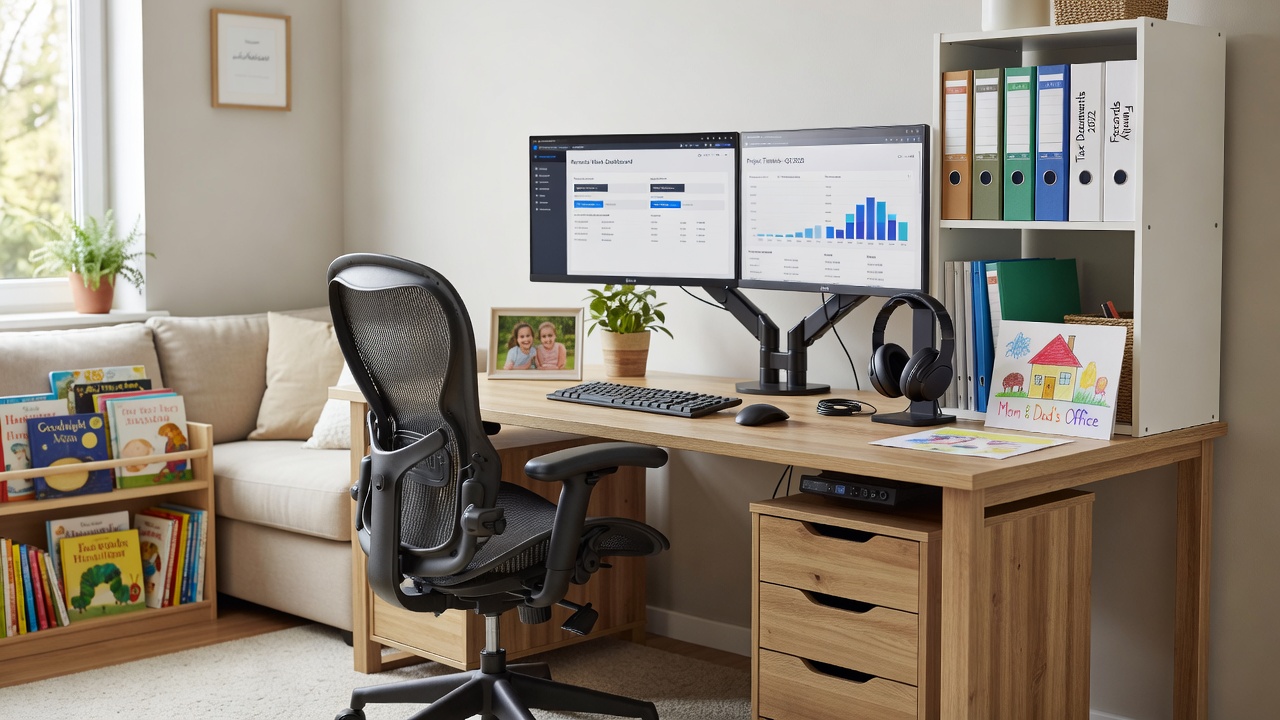
A dedicated workspace signals boundaries to both family and clients, creating a professional environment within your home. Set up an ergonomic desk in a quiet corner with natural light, noise-canceling headphones, and child-friendly storage for quick cleanups between work sessions. Consider investing in adjustable lighting, a comfortable chair, and cable management systems to reduce daily frustrations. This setup helps maintain focus during work blocks while keeping family accessible when needed. Expand your space gradually by adding plants for better air quality and a small whiteboard for daily priorities. Practical step: Measure your available area first, then prioritize items like monitor stands that elevate screens to eye level, reducing neck strain over long hours.
Time-Blocking Techniques for Busy Parents
Time-blocking divides your day into focused segments aligned with family rhythms. Start by mapping family obligations like school drop-offs and meal prep, then assign 3-4 hour blocks for deep work on client deliverables. Tools like Google Calendar or Toggl help visualize and adjust schedules dynamically, while built-in reminders prevent overruns. Comparison of scheduling tools: Google Calendar offers free family sharing and recurring events ideal for coordinating with partners; Toggl Track excels at tracking billable hours with exportable reports for tax purposes; Clockify provides a simple interface for beginners managing multiple projects simultaneously. Practical step: Review your calendar weekly every Sunday evening and adjust blocks based on client deadlines and kids' activities. Incorporate buffer time between blocks for transitions, such as 15 minutes to shift from work mode to parenting duties. Digital nomad parents like the Rivera family in Spain use color-coded blocks to distinguish client work from personal tasks, making it easy for the whole household to understand when interruptions are welcome.
Childcare Hacks and School Schedule Strategies
Align work with school hours and use after-school programs or shared childcare with neighbors to extend productive windows. During school breaks, incorporate educational activities that allow independent play while you handle emails or lighter tasks. Create a rotating schedule with your partner or enlist grandparents for key afternoons. Example from digital nomad parents: The Thompson family in Denver rotates morning work shifts, with one parent handling freelance tasks while the other manages breakfast routines and school prep. They also subscribe to local activity clubs that provide two-hour enrichment sessions twice a week, freeing up focused time without full daycare costs. Another approach involves batching household chores into short evening windows so daytime remains protected for income-generating work.
Setting Boundaries with Clients
Communicate availability upfront via contracts or email templates to prevent scope creep. Specify response times such as within 24 hours on weekdays and avoid after-hours messages entirely. This protects family time and sets professional expectations from the start. Draft a standard onboarding message that outlines your working hours, preferred communication channels, and revision policies. When clients push for weekend deliverables, offer alternatives like early Monday morning delivery instead. Over time, this builds respect and attracts clients who value your structured approach.
Leveraging Side Hustle Income Without Burnout
Start small with 10-15 hours weekly and scale as routines stabilize. Prioritize self-care like short walks or mindfulness apps during breaks. Monitor energy levels to prevent exhaustion common in the gig economy. Track income sources separately to understand which niches provide the best return on time invested. Build an emergency fund from side hustle earnings to reduce financial pressure during slower months. Outbound resources: Explore labor market data from BLS.gov and family wellness recommendations at CDC.gov. Additional guidance on work-life policies can be found at DOL.gov.
Practical Technology Tools for Daily Management
Beyond calendars, integrate task managers like Todoist for breaking projects into steps and communication apps like Slack with custom status updates that signal your availability. Use automation tools such as Zapier to connect invoicing with project management, saving hours each month. Parents report that combining these reduces mental load and allows smoother transitions between roles.
Common Mistakes to Avoid
- Overcommitting to projects without buffer time, leading to missed deadlines and stress.
- Ignoring workspace ergonomics, which can cause long-term physical strain and reduced output.
- Failing to automate invoicing and admin tasks, wasting valuable hours on repetitive work.
- Neglecting regular reviews of client contracts, allowing unfavorable terms to persist.
- Skipping self-care routines, resulting in diminished creativity and potential health issues over time.
FAQ: Addressing Frequent Challenges
How do I handle unexpected school closures?
Build flexible buffers into your schedule and have backup childcare options ready, such as family members or local co-ops. Prepare a list of offline activities for children to maintain quiet work periods.
What if clients demand immediate responses?
Use auto-responders and clearly state your working hours in proposals to manage expectations professionally. Offer tiered response options for urgent versus standard requests.
Can I scale freelance income while prioritizing family?
Yes, by focusing on high-value clients and delegating non-core tasks as your business grows. Gradually raise rates with existing clients to increase earnings without adding hours.
How should I prepare for tax season as a freelancer parent?
Maintain organized records of expenses and income throughout the year using dedicated accounting software, and consult a tax professional familiar with gig economy deductions.
Conclusion
Remote freelance work empowers parents to achieve financial independence without sacrificing family moments. By implementing these strategies in 2026, you can create a fulfilling career that supports both your professional ambitions and loved ones. Start with one technique today and build from there for lasting success and sustainable growth in the evolving world of flexible work.


No comments yet. Be the first!