 Jobboy
Introduction
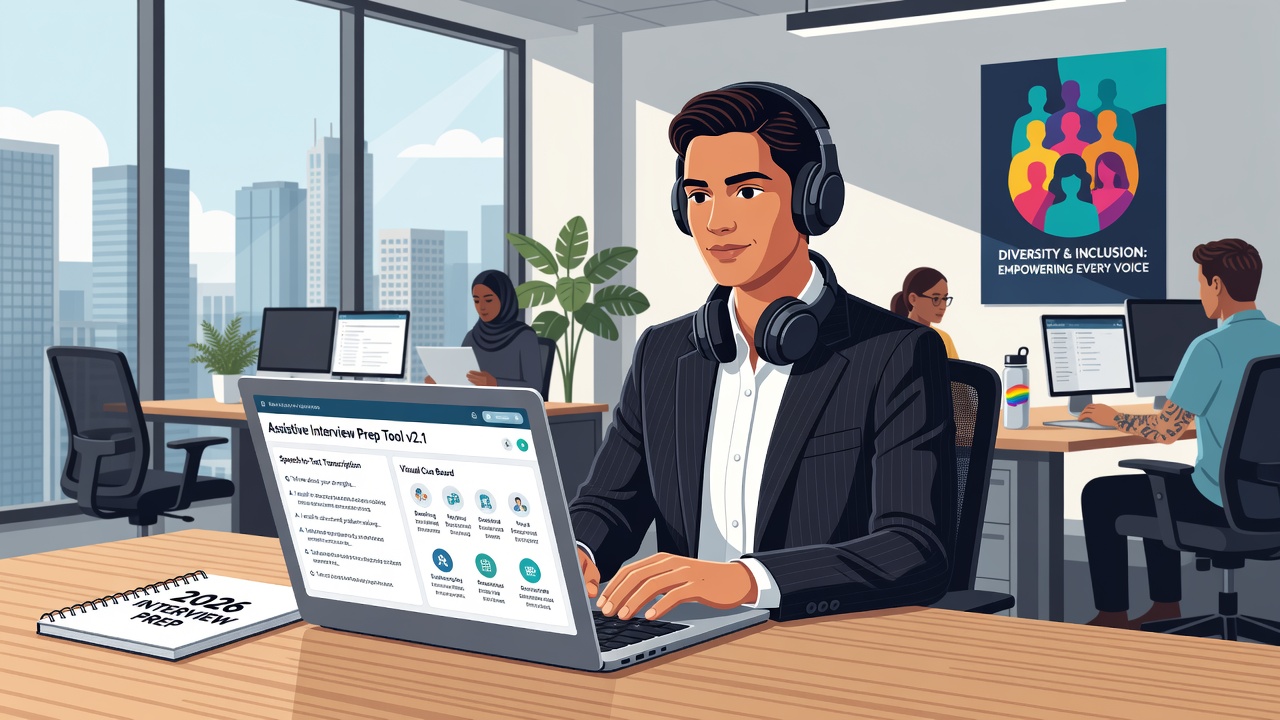
Navigating job interviews as a neurodivergent individual in 2026 requires thoughtful preparation that honors your unique cognitive style. This comprehensive guide delivers practical, step-by-step strategies to help you prepare effectively, reduce anxiety, and showcase your strengths. Whether you have autism, ADHD, dyslexia, dyspraxia, or another form of neurodivergence, these tips focus on disclosure decisions, adapting behavioral responses, managing sensory and focus challenges, and leveraging tools for success. The modern hiring landscape continues to evolve with greater awareness of neurodiversity, yet many candidates still face barriers that standard preparation does not address. By building personalized systems around your needs, you can transform the interview process from a source of stress into an opportunity to demonstrate exceptional abilities such as deep concentration, innovative problem-solving, and attention to detail.
Understanding Neurodivergence in Hiring Contexts
Employers increasingly recognize the value neurodivergent talent brings, including exceptional pattern recognition, creativity under pressure, and sustained hyperfocus on complex tasks. Research from leading organizations shows that diverse cognitive profiles drive innovation when supported properly. Preparation begins with self-awareness of both your needs and strengths. Reflect on past experiences where your neurodivergence provided an advantage, such as spotting errors others missed or maintaining productivity during long analytical sessions. This foundation helps you enter interviews with clarity rather than apprehension.
Deciding Whether and How to Disclose Neurodivergence
Disclosure remains a deeply personal choice influenced by the role, company culture, and your comfort level. If you choose to share information, frame it around workplace accommodations and performance rather than limitations. For example, you might say: “I perform at my highest level when given written follow-up instructions after meetings, which allows me to deliver precise and timely results.” Practice this phrasing multiple times until it feels natural. Consider timing—many candidates wait until after receiving an offer to discuss formal accommodations, while others disclose early if specific supports are essential for the interview itself.
Adapting Responses to Behavioral Interview Questions
Behavioral questions remain a staple of interviews, yet the standard STAR method can feel rigid for neurodivergent thinkers. Adapt it by starting with context that highlights your thinking process, then move to actions and results. Prepare five to seven detailed examples in advance. One strong reframing might sound like this: “While some people find shifting between tasks challenging, my ability to hyperfocus enabled me to complete a six-week data analysis project in four weeks, uncovering patterns that improved team efficiency by 25 percent.” Another example: “My pattern recognition helped identify inconsistencies in a client dataset that had gone unnoticed, leading to corrected projections and stronger decision-making.” Write these stories out fully and rehearse them aloud to ensure they flow conversationally.
Managing Sensory and Focus Challenges During Interviews
Identify your specific sensory triggers well before the interview date. Common challenges include fluorescent lighting, background noise, strong scents, or prolonged eye contact. Request reasonable accommodations such as a quiet room, permission to wear noise-reducing headphones during waiting periods, or a virtual interview option. Schedule interviews during your peak focus hours whenever possible—morning for some, afternoon for others. Bring discreet sensory tools like textured fidgets or tinted glasses if they help regulate attention without distracting the interviewer.
Creating Personalized Checklists and Using Assistive Tools
Develop a comprehensive checklist that covers every logistical and sensory detail. Your list might include: confirming the interview format and location two days ahead, testing all technology for virtual meetings, selecting clothing that avoids irritating textures or tags, mapping the route with buffer time for unexpected delays, and preparing a small kit with water, snacks, and any approved assistive devices. Modern assistive tools can dramatically improve preparation. Text-to-speech applications help review notes without visual fatigue, while calendar apps with visual timelines and reminders reduce cognitive load. Noise-cancelling headphones and screen filters also prove valuable during both preparation and the interview itself.
Practicing with Mock Scenarios That Include Accommodations
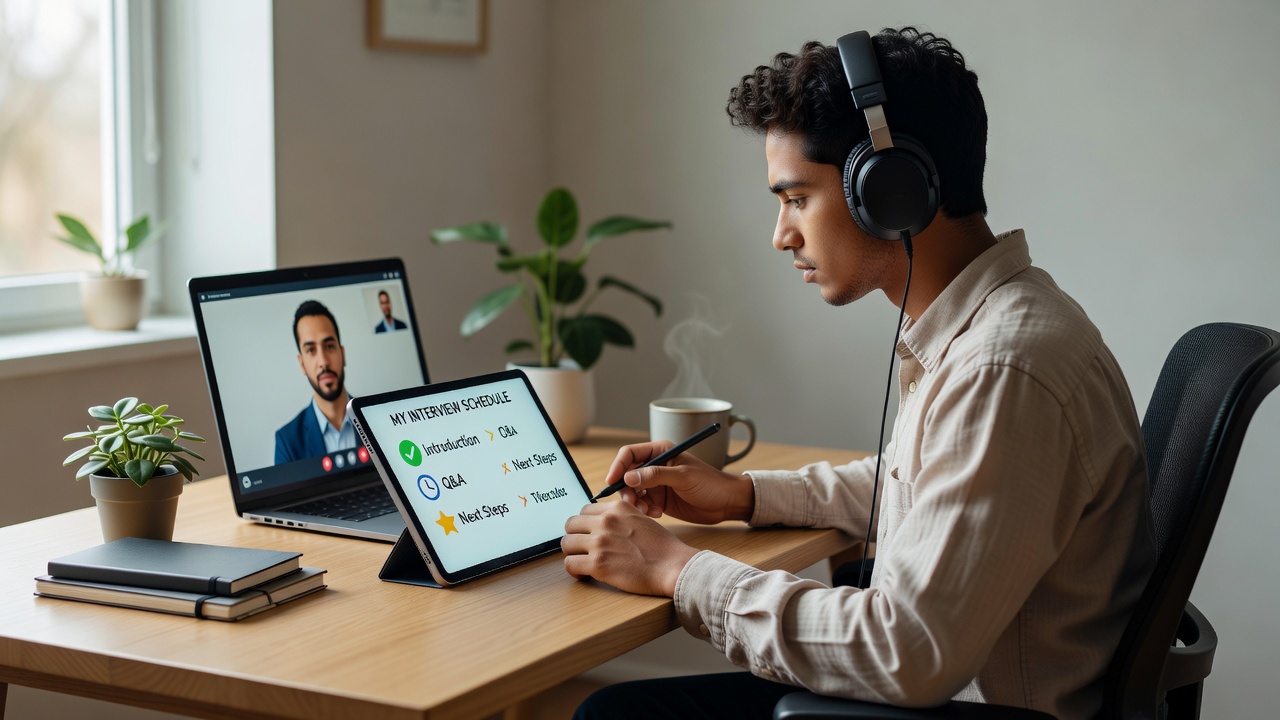
Conduct multiple mock interviews with a trusted coach, mentor, or friend who understands your neurodivergence. Simulate real conditions including requesting a short break midway through or using visual notes on a tablet. Record these sessions so you can review pacing, tone, and body language objectively. After each practice round, note what felt effective and adjust accordingly. Focus especially on transitions between questions and moments when you need extra processing time—prepare polite phrases such as “I’d like a moment to consider that question fully.”
In-Person Versus Virtual Interview Formats
Both formats present distinct advantages and challenges. Virtual interviews give you greater control over your environment, allowing you to adjust lighting, background, and seating. However, they demand reliable internet and familiarity with video platforms. Test your entire setup—including camera angle, microphone, and any assistive software—24 hours before the scheduled time. In-person interviews allow direct rapport building but often involve more unpredictable sensory input. If possible, visit the building location in advance to familiarize yourself with entrances, waiting areas, and potential noise levels. Many candidates find a hybrid approach works best when the employer offers flexibility.
Highlighting Strengths Like Hyperfocus and Pattern Recognition
Prepare concrete stories that quantify the impact of your strengths. Instead of vague statements, use specifics: “My hyperfocus on a recent compliance review allowed me to examine 300 documents in detail, identifying three critical discrepancies that protected the organization from regulatory risk.” Pattern recognition examples might include: “I noticed recurring trends across customer feedback data that led to a new feature request process, increasing satisfaction scores within one quarter.” Always connect these abilities directly to the requirements listed in the job description.
Legal Rights and Requesting Accommodations
Under the Americans with Disabilities Act, qualified individuals have the right to reasonable accommodations during the application and interview process. Learn the specifics from authoritative sources such as the EEOC and ADA.gov. Additional guidance is available through the U.S. Department of Labor at dol.gov. Document all accommodation requests in writing, even if made verbally first, and focus on solutions that enable your optimal performance. Employers cannot ask illegal questions about your disability but must engage in an interactive process once a request is made.
Frequently Asked Questions
- Should I disclose before the interview? Only disclose early if you require specific accommodations for the interview itself. Otherwise, waiting until an offer stage often feels safer.
- What if I stim or fidget during the interview? Prepare a brief, confident explanation: “This movement helps me maintain focus and process information.” Most interviewers appreciate the transparency.
- How do I handle unexpected schedule changes? Build flexibility into your preparation by practicing backup plans and keeping a short script ready, such as “I can adjust to that time with 24 hours’ notice.”
- Are there industries more open to neurodivergent candidates? Technology, research, data analysis, and creative fields often value the strengths associated with neurodivergence, but supportive cultures exist across all sectors.
Conclusion
With targeted, individualized preparation, neurodivergent candidates can approach 2026 interviews with genuine confidence. Focus on your distinctive strengths, plan accommodations proactively, and remember that the right employer actively values diverse thinking styles. Consistent practice combined with self-advocacy creates the strongest foundation for success.


No comments yet. Be the first!