 Jobboy

Introduction to Chatbots in Modern Recruiting
In 2026, recruiters face increasing volumes of applications while striving to deliver personalized experiences. AI-powered chatbots have emerged as essential tools for handling initial candidate screening and engagement, allowing teams to focus on high-value interactions. This guide provides actionable steps for integrating chatbots with existing HR systems to reduce manual workload without losing the human element. Organizations across industries are turning to these technologies to manage high application volumes efficiently while improving response times and overall hiring quality.
Why Chatbots Excel at Initial Screening in 2026
Traditional screening processes often overwhelm recruiters with repetitive tasks like resume review and basic qualification checks. Chatbots address this by automating conversations that qualify candidates based on predefined criteria such as experience, availability, and skills. They operate 24/7, improving response times and candidate satisfaction. Companies adopting this technology report faster time-to-hire and higher engagement rates from the outset. Beyond speed, chatbots help reduce unconscious bias by applying consistent questions to every applicant. They also gather structured data that feeds directly into analytics, giving recruiters clearer insights into talent pools. This combination of efficiency and data collection makes chatbots particularly valuable in competitive labor markets where speed and candidate experience both matter.
Key Benefits of Chatbot Screening
- Reduced time spent on repetitive questions
- Improved consistency across all candidates
- 24/7 availability that matches modern job seeker expectations
- Scalable handling of seasonal or high-volume hiring campaigns
Selecting the Right Chatbot Platform
Choosing a platform involves evaluating integration capabilities, customization options, and scalability. Popular options include tools that connect seamlessly with applicant tracking systems (ATS) like Workday or Greenhouse. Key factors to consider are natural language processing quality, multilingual support, and analytics dashboards. Compare vendors based on ease of setup and compliance features rather than focusing solely on cost. Test platforms through free trials to assess how well they handle recruiting-specific scenarios. Look for platforms that offer robust API documentation and dedicated support for HR workflows. Some solutions provide pre-built templates for common screening questions, which can accelerate deployment. Evaluate security certifications and data storage locations to ensure alignment with your organization's compliance needs.
Designing Effective Conversation Flows
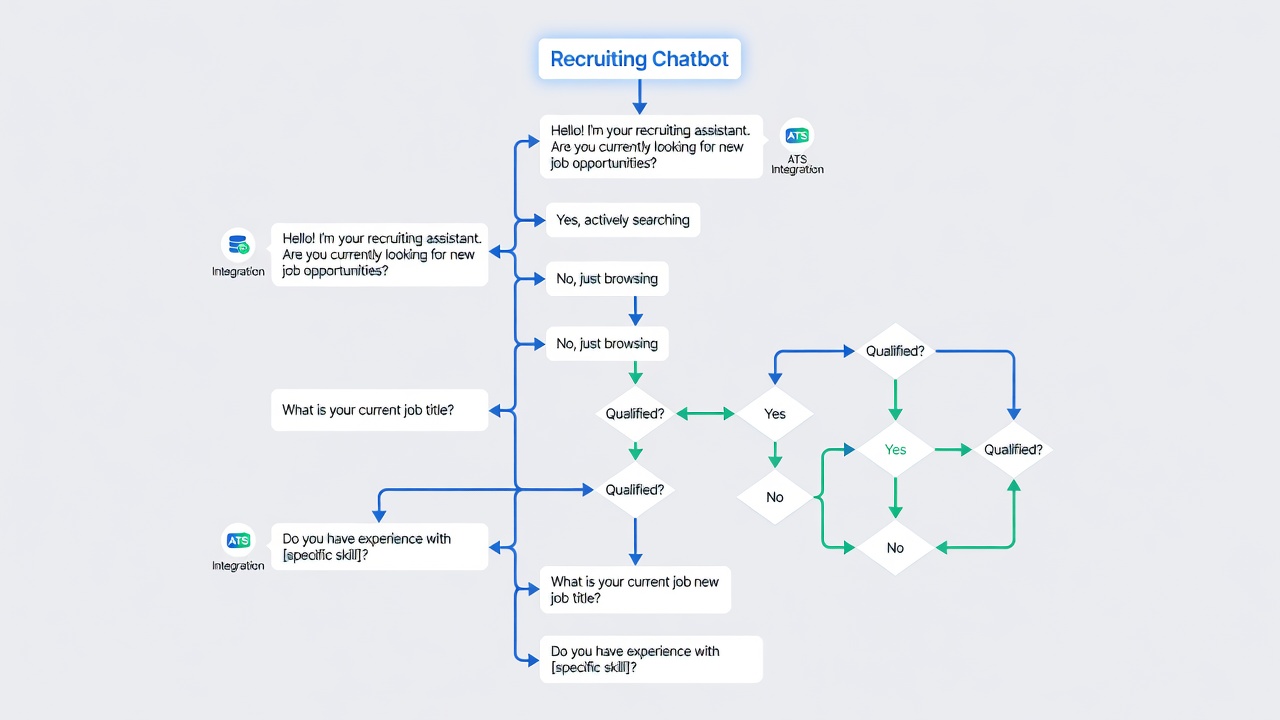
A strong conversation flow starts with a welcoming message and quickly moves to qualifying questions. Use decision trees to branch based on responses, such as routing experienced candidates to advanced queries while directing others to relevant resources. Incorporate empathy statements to maintain a human touch, like acknowledging a candidate's career goals. Iterate on flows by analyzing drop-off points and A/B testing different phrasings to optimize completion rates. Begin with simple yes/no questions before progressing to open-ended ones to keep candidates engaged. Include clear next steps at every stage so applicants understand what happens after the chat ends. Test flows with real users or internal team members to identify confusing language or dead ends before launch.
Integrating Chatbots with Existing HR Tools
Seamless integration is critical for success. Connect your chatbot to your ATS via APIs to automatically log candidate data and update statuses. Pair it with calendar tools for scheduling interviews and CRM systems for ongoing engagement. This setup eliminates data silos and ensures recruiters receive real-time alerts for promising leads. Begin with a pilot integration on one job requisition before scaling across the organization. Map out data fields carefully during setup to avoid duplication or missing information. Work with IT teams early to handle authentication and permissions. Document the integration process so future updates or troubleshooting become straightforward. Many platforms now offer no-code connectors that reduce reliance on custom development.
Measuring ROI Through Key Metrics
Track metrics such as screening completion rate, time saved per hire, candidate satisfaction scores, and conversion rates from chatbot to interview. Calculate return on investment by comparing pre- and post-implementation hiring timelines. Qualitative feedback from candidates and recruiters provides additional insights into experience improvements. Regular reporting helps refine the system and demonstrate value to stakeholders. Consider tracking chatbot abandonment rates and average conversation length to spot opportunities for refinement. Share monthly dashboards with hiring managers to maintain buy-in and identify which roles benefit most from automation.
Real Company Examples of Successful Deployments
Several organizations have leveraged chatbots effectively. For instance, a global tech firm used chatbot screening to process thousands of applications monthly, reducing initial review time by 60%. A retail chain implemented conversational bots for seasonal hiring, achieving higher response rates from entry-level candidates. A healthcare provider deployed chatbots to handle nurse applications across multiple regions, standardizing qualification questions while allowing local teams to focus on cultural fit interviews. These cases highlight the importance of tailoring flows to industry needs and combining automation with human oversight for final decisions. Success often comes from starting with clear goals and continuously refining based on performance data.
Common Mistakes to Avoid
Many teams rush deployment without sufficient testing, leading to poor candidate experiences. Avoid overly rigid flows that cannot handle unexpected answers. Ensure the chatbot clearly states it is an automated system to maintain transparency. Neglecting mobile optimization is another frequent error since most candidates apply via smartphones. Finally, failing to train recruiters on how to use chatbot-generated insights can limit the technology's impact.
Addressing Data Privacy and Candidate Experience Concerns
Data privacy remains a top priority. Ensure compliance with regulations by anonymizing data where possible and obtaining explicit consent during interactions. Transparent communication about how information is used builds trust. For candidate experience, design inclusive flows that accommodate diverse backgrounds and provide easy opt-out options. Offer language options and accessibility features such as screen-reader compatibility. Regularly review conversation logs to identify and correct any unintended biases in question phrasing.
FAQ on Chatbot Implementation
- How do chatbots handle sensitive candidate data? They use encryption and comply with standards like GDPR; always review vendor security certifications.
- Can chatbots replace human recruiters entirely? No, they augment the process by handling routine tasks, leaving complex evaluations to recruiters.
- What if a candidate prefers speaking with a person? Offer immediate escalation to a live agent within the flow.
- How long does typical implementation take? Most organizations complete initial setup within four to six weeks when starting with a pilot role.
- Are chatbots suitable for all job types? They work best for high-volume or standardized roles but can support specialized positions with well-designed qualification logic.
Conclusion
Implementing chatbots for recruiting screening in 2026 delivers efficiency gains while preserving positive candidate interactions. By focusing on platform selection, thoughtful design, robust integrations, and ongoing measurement, talent acquisition teams can achieve sustainable improvements. Start small, gather feedback, and scale what works to stay competitive in a dynamic hiring landscape. For further reading on HR best practices, explore resources from SHRM, Gartner, and EEOC.


No comments yet. Be the first!