 Jobboy

Introduction
In today's dynamic workplace, professionals who master feedback loops gain a significant edge in continuous career growth. Feedback loops involve systematically collecting input, analyzing patterns, and implementing changes to refine skills and performance over time. This approach transforms sporadic advice into a structured engine for upskilling and promotion readiness. As industries evolve rapidly in 2026, building robust internal and external feedback channels helps individuals stay ahead of market demands and avoid stagnation. Economic shifts, technological advancements, and hybrid work models have made adaptive learning essential, with those who actively close feedback loops reporting higher job satisfaction and faster advancement rates.
Effective feedback systems go beyond annual reviews. They integrate daily insights with long-term career planning, using tools to track progress and highlight blind spots. This article provides step-by-step guides, real-world examples from tech, healthcare, and finance, plus checklists to implement these strategies immediately. By the end, you will have a complete framework to turn feedback into measurable career momentum.
Understanding Feedback Loops in Professional Development
A feedback loop consists of four stages: collection, reflection, action, and measurement. Collection gathers data from peers, managers, and clients through structured questions or observations. Reflection identifies themes, such as recurring comments on leadership or technical skills, often revealing patterns invisible in day-to-day work. Action translates insights into targeted learning, like enrolling in courses or adjusting behaviors during meetings. Measurement evaluates outcomes through follow-up metrics, closing the loop for iteration and refinement.
Without this cycle, career growth remains reactive rather than proactive. Research from leading career resources shows that consistent loop users achieve promotions 30-50% faster by addressing gaps early. For example, in fast-paced sectors, ignoring the measurement stage leads to repeated mistakes, while full implementation creates compounding improvements over quarters and years.
Building Internal and External Feedback Channels
Internal channels leverage your organization's structure. Schedule regular one-on-ones with managers and use anonymous surveys via tools like Google Forms. Join cross-functional projects to gain diverse perspectives from colleagues across departments. Encourage 360-degree input by requesting feedback from direct reports if you are in a leadership position.
External channels expand reach beyond your company. Engage mentors through professional networks, participate in industry webinars, and solicit input from clients or former colleagues. LinkedIn groups and alumni associations provide valuable external viewpoints that highlight transferable skills and emerging industry standards. LinkedIn serves as an excellent platform for these connections, allowing professionals to maintain ongoing dialogues with experts outside their immediate circle.
Combine both for balance: internal feedback refines role-specific performance, while external input reveals broader market trends. Aim for at least three internal and three external sources per cycle to ensure well-rounded data.
Tools for Tracking Feedback Patterns
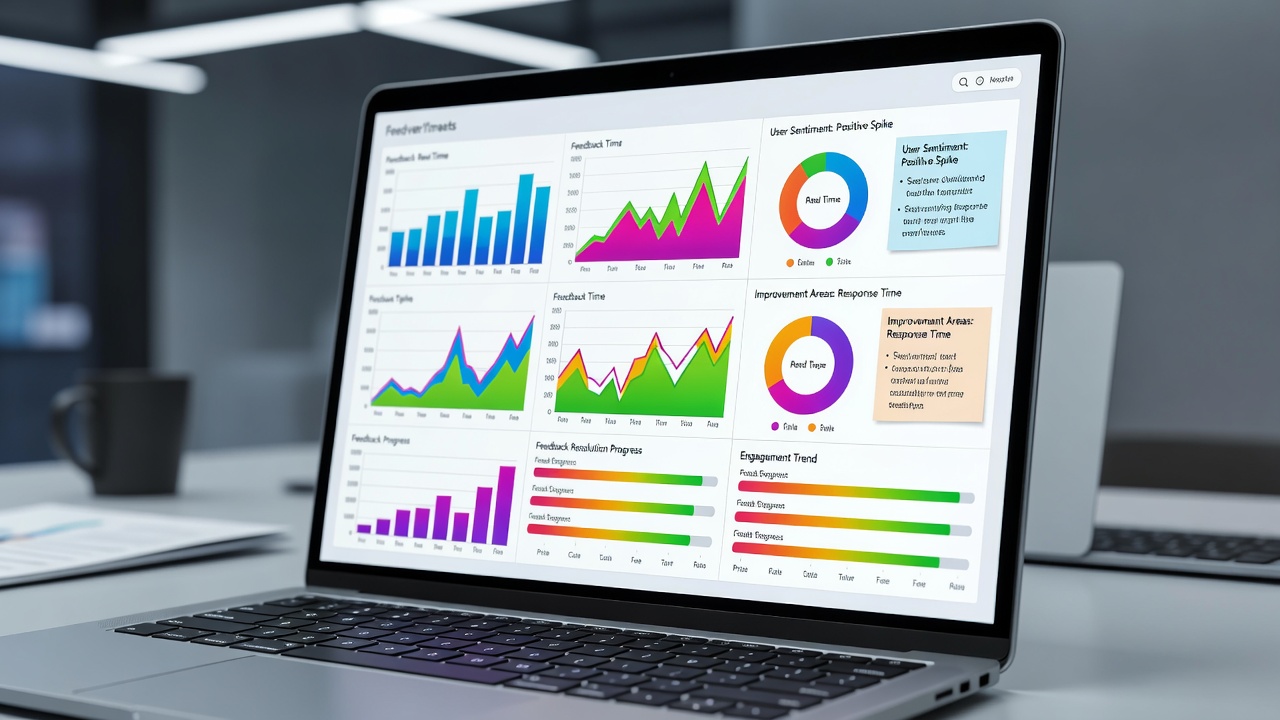
Digital tools streamline pattern recognition. Notion or Airtable databases organize feedback entries with tags for themes like communication or innovation. Spreadsheet templates from career sites allow simple trend analysis over quarters, with columns for date, source, theme, and action taken.
Advanced options include AI-powered platforms that summarize responses and suggest actions. Track metrics such as frequency of positive comments versus constructive criticism to prioritize development areas. Many professionals also integrate these with project management apps like Asana to link feedback directly to task improvements.
Formal vs Informal Methods: A Comparison
Formal methods, such as 360-degree reviews and structured performance appraisals, offer comprehensive data but can feel rigid and infrequent. They suit large organizations needing standardized insights and often include HR facilitation for objectivity. SHRM highlights that formal processes provide legal documentation and clear benchmarks when used correctly.
Informal methods like casual coffee chats or quick Slack polls deliver timely, candid input but risk bias without documentation. The most effective approach blends both: use formal sessions for depth and informal touchpoints for agility. For instance, a formal annual review might identify a skill gap in data analysis, while weekly informal check-ins allow real-time practice and adjustment.
- Formal advantages: Objective benchmarks, documented progress, organization-wide alignment.
- Informal advantages: Real-time adjustments, higher engagement, flexibility in remote settings.
- Hybrid tip: Follow formal reviews with monthly informal check-ins to maintain momentum and address emerging issues promptly.
Step-by-Step Implementation Guide
Follow this 30-day rollout plan and extend it into ongoing practice:
- Week 1: Define 3-5 core competencies to track and set up a simple tracking spreadsheet or database. Identify key stakeholders and draft neutral questions such as "What is one strength I demonstrated this month?" and "What area could I improve?"
- Week 2: Request feedback from 5 internal and 3 external contacts using targeted questions. Use email templates or survey links to make responses easy and confidential.
- Week 3: Analyze responses for patterns and create an action plan with specific milestones, such as completing a particular online module or practicing a new presentation technique.
- Week 4: Implement one change, measure results through self-assessment or follow-up questions, and schedule the next loop cycle for the following month.
Repeat quarterly, adjusting based on career stage and goals. Include accountability by sharing your plan with a trusted colleague.
Real-World Examples from Various Industries
In tech, a software engineer at a startup used peer code reviews and client demos to refine presentation skills, leading to a lead role within 18 months. The engineer logged every piece of feedback in a personal dashboard and revisited it monthly, focusing on clarity in technical explanations.
Healthcare professionals apply patient satisfaction surveys alongside team huddles to improve bedside manner and advance to management positions. One nurse manager credited quarterly external mentor sessions for identifying leadership blind spots that accelerated her promotion. Finance analysts leverage manager debriefs after client meetings and external industry forums to sharpen regulatory knowledge, accelerating promotions amid evolving compliance standards. These examples illustrate how consistent application across sectors creates tangible results.
Integrating Insights into Career Planning
Map feedback themes to your 5-year career roadmap. If multiple sources note strategic thinking gaps, prioritize leadership courses or stretch assignments. Review loops during annual planning sessions to align development with promotion criteria and company objectives. Document everything in a personal career journal for easy reference during performance discussions or salary negotiations.
Revisit your roadmap every six months to ensure feedback continues driving relevant growth rather than outdated goals.
Common Pitfalls That Stall Promotions
Many professionals collect feedback but fail to act, leading to repeated cycles without growth. Others ignore negative input or seek only confirming opinions, creating echo chambers that limit true development. Over-reliance on one channel, such as solely manager feedback, misses holistic views and can create blind spots in team dynamics or external market awareness.
Avoid these by setting accountability partners, scheduling dedicated reflection time, and deliberately seeking dissenting viewpoints. Another pitfall is inconsistent timing; sporadic requests reduce response quality and momentum.
Actionable Checklists
Weekly Feedback Collection Checklist
- Send 2 targeted questions to colleagues or external contacts.
- Log responses in your tracker with date and source.
- Note one actionable insight and a small test action.
- Review previous week's actions for quick wins.
Quarterly Review Checklist
- Analyze patterns across all sources for recurring themes.
- Update career plan with 2 new goals tied directly to feedback.
- Measure progress on prior actions using concrete metrics.
- Share summary with mentor for external validation and fresh perspective.
- Adjust tracking tools or channels if response rates are low.
Conclusion
Mastering feedback loops equips professionals for sustained advancement in 2026 and beyond. By building diverse channels, leveraging practical tools, and following structured implementation, you transform feedback into a powerful catalyst for upskilling and promotion success. Start small today to build momentum that compounds over time, creating a resilient and adaptable career trajectory.
FAQ: Overcoming Resistance to Feedback
How do I handle defensive reactions to criticism? Reframe feedback as data for growth. Practice active listening by summarizing points before responding, then ask clarifying questions to shift focus from emotion to understanding.
What if my workplace culture discourages open input? Begin with anonymous channels and model vulnerability by sharing your own development areas first. Over time, this can shift team norms toward greater openness.
How often should loops be reviewed? Monthly for informal insights and quarterly for formal analysis ensures timely adjustments without overwhelm, allowing patterns to emerge clearly.
Can feedback loops work for freelancers? Yes, client surveys and peer networks provide equivalent structures to corporate systems, often with even greater flexibility in choosing sources.
What if feedback contradicts itself? Look for underlying themes rather than surface-level conflicts. Weigh sources by relevance and frequency, then test small changes to see what resonates best with your context.


No comments yet. Be the first!